Poly(sodium 4-styrenesulfonate) (PSS) is a versatile ionic polymer widely used in chemical and materials science laboratories. It is a water-soluble polyelectrolyte composed of ionized styrenesulfonate monomer units, making it an essential reagent for studying polymer behavior and solution chemistry. This material is commonly employed in experiments involving polymer synthesis, colloidal systems, and electrostatic interactions due to its unique ability to form stable aqueous solutions. Its role in both fundamental and applied research makes it a valuable tool for scientists and students alike.
PSS is preferred for its high water solubility, tunable viscosity, and chemical stability under normal laboratory conditions. Its ability to interact with various ions and molecules allows it to be used in a wide range of applications, from surface modification to the development of advanced materials. The material’s viscosity can be adjusted to suit specific experimental needs, making it adaptable for different research scenarios. Additionally, its non-toxic nature and ease of handling contribute to its popularity in both academic and industrial settings.
In Indonesian laboratories, PSS is frequently used in educational institutions and research centers for studies in polymer science, environmental chemistry, and materials technology. It supports a variety of experiments, including the investigation of polymer properties, ion exchange processes, and the development of functional materials. Its availability and reliability make it a go-to reagent for researchers and educators in the region.
- Polymer characterization experiments benefit from PSS due to its well-defined molecular structure and predictable behavior in aqueous solutions.
- Surface modification studies use PSS to create functional coatings and investigate electrostatic interactions on different substrates.
- Electrostatic stabilization of colloidal systems relies on PSS’s ability to provide charge density and prevent particle aggregation.
- Environmental chemistry research incorporates PSS to study ion exchange processes and the behavior of polyelectrolytes in natural waters.
- Advanced materials development utilizes PSS as a component in the fabrication of smart polymers and responsive hydrogels.
| Brand | TCI |
|---|---|
| CAS number | 25704-18-1 |
| Molecular formula | — |
| Purity | — |
| Category | Materials Science > Polymer/Macromolecule Reagents > Polymers |
| Pack sizes | 20wt% in Water |
| Physical form | Solution |
| Storage | Store at room temperature in a cool, dry place away from direct sunlight |
PSS should be stored in a cool, dry environment at room temperature to maintain its stability and prevent degradation. It is recommended to keep the solution in a sealed container to avoid contamination and evaporation. When handling PSS, it is important to use appropriate personal protective equipment, such as gloves and safety goggles, to ensure safety. The material is non-toxic and generally safe to work with, but care should be taken to avoid prolonged skin contact. It is suitable for use in standard laboratory conditions and does not require special storage requirements beyond those typical for aqueous solutions.
—
Produk Terkait
-
TCI B5774 5,10-Bis(4,4,5,5-tetramethyl-1,3,2-dioxaborolan-2-yl)naphtho[1,2-c:5,6-c']bis([1,2,5]oxadiazole)
Regular price Rp 10.255.350,00Regular price -
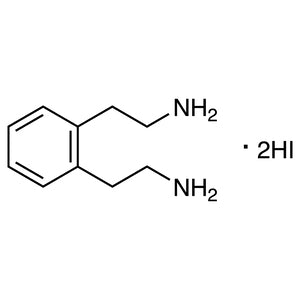
Dihydroiodide TCI B6569
Regular price From Rp 1.936.200,00Regular price -
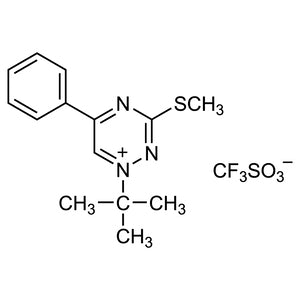
Trifluoromethanesulfonate TCI B7003
Regular price From Rp 1.936.200,00Regular price
![5,10-Bis(4,4,5,5-tetramethyl-1,3,2-dioxaborolan-2-yl)naphtho[1,2-c:5,6-c']bis([1,2,5]oxadiazole) - TCI B5774 - AMI Scientific](http://amiscientific.com/cdn/shop/files/TCI2510B5774.jpg?v=1769180228&width=533)