Praseodymium(III) Chloride is a chemical compound belonging to the rare earth elements, widely used in laboratory settings for its unique catalytic properties. As a key component in catalysis and inorganic chemistry, it plays a crucial role in facilitating complex chemical reactions. This compound is particularly valuable in the synthesis of advanced materials and the development of new chemical compounds. Its ability to act as a catalyst makes it an essential tool for researchers working in the field of inorganic chemistry.
The compound exhibits stable chemical properties under controlled conditions, making it suitable for use in specialized laboratory environments. However, it is highly reactive towards moisture and air, which necessitates careful handling and storage. These characteristics make it ideal for applications requiring precise control over reaction conditions. Its reactivity also allows for the exploration of new chemical behaviors, contributing to scientific advancements in material science and chemical engineering.
In Indonesian laboratories, Praseodymium(III) Chloride is commonly used in scientific research and academic institutions. It is a key reagent in experiments focused on inorganic chemistry and catalytic processes. Its role in developing new materials and understanding chemical interactions makes it a valuable resource for both educational and industrial research. The compound is often used in controlled environments to ensure accurate and reproducible results in chemical synthesis and analysis.
TCI brochures (PDF)
- Metallic Salts 2025-11-06 · p. 3
Related TCI products
- TCI T1511 17978-77-7 Tris(6,6,7,7,8,8,8-heptafluoro-2,2-dimethyl-3,5-octanedionato)praseodymium(III) [NMR Shift Reagent]
- TCI T1264 15492-48-5 Tris(2,2,6,6-tetramethyl-3,5-heptanedionato)praseodymium(III) [NMR Shift Reagent]
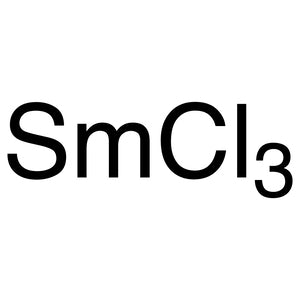
- TCI A3511 10361-82-7 Samarium(III) Chloride
- TCI N1226 10024-93-8 Neodymium(III) Chloride
- TCI L0428 10099-58-8 Lanthanum(III) Chloride
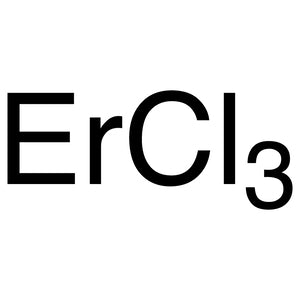
- TCI E1496 10138-41-7 Erbium(III) Chloride
- Inorganic Chemistry Research – Praseodymium(III) Chloride is used to study the behavior of rare earth elements in chemical reactions and material synthesis.
- Catalytic Reaction Development – Its catalytic properties make it ideal for testing and optimizing complex chemical reactions in laboratory settings.
- Composite Material Synthesis – It is employed in the creation of advanced composite materials due to its unique chemical and structural properties.
- Electrode Material Preparation – The compound is used in the development of electrode materials for electrochemical applications.
- Crystal Structure Analysis – Its crystalline structure provides valuable insights into physical and chemical properties, aiding in material characterization.
| Brand | TCI |
|---|---|
| CAS number | 10361-79-2 |
| Molecular formula | — |
| Purity | — |
| Category | Chemistry > Catalysis and Inorganic Chemistry > Rare Earth Elements |
| Pack sizes | Available in various quantities as per standard laboratory supply |
| Physical form | Solid powder |
| Storage | Should be stored in a dry, airtight container away from moisture and air |
Praseodymium(III) Chloride should be stored in a dry, airtight container to prevent exposure to moisture and air, which can cause rapid degradation. It is recommended to use containers made of inert materials such as glass or high-density polyethylene to avoid chemical reactions with the container. In laboratory settings, it should be handled in a controlled environment with proper ventilation to minimize exposure. Due to its reactivity, it is essential to avoid contact with water and to use appropriate personal protective equipment when handling. Storage should be in a cool, dark place to maintain its chemical stability and ensure safe use in research applications.
—
Produk Terkait
-
Tris(6,6,7,7,8,8,8-heptafluoro-2,2-dimethyl-3,5-octanedionato)praseodymium(III)[NMRShiftReagent] TCI T1511
Regular price Rp 8.295.000,00Regular priceRp 5.815.950,00Sale price Rp 8.295.000,00 -
Tris(2,2,6,6-tetramethyl-3,5-heptanedionato)praseodymium(III)[NMRShiftReagent] TCI T1264
Regular price Rp 2.013.900,00Regular priceRp 1.423.800,00Sale price Rp 2.013.900,00 -
Samarium(III)Chloride TCI A3511
Regular price From Rp 1.988.700,00Regular priceRp 1.405.950,00Sale price From Rp 1.988.700,00 -
Neodymium(III)Chloride TCI N1226
Regular price From Rp 2.147.250,00Regular priceRp 1.517.250,00Sale price From Rp 2.147.250,00 -
Lanthanum(III)Chloride TCI L0428
Regular price From Rp 1.405.950,00Regular priceRp 998.550,00Sale price From Rp 1.405.950,00 -
Erbium(III)Chloride TCI E1496
Regular price From Rp 1.510.950,00Regular priceRp 1.072.050,00Sale price From Rp 1.510.950,00 -
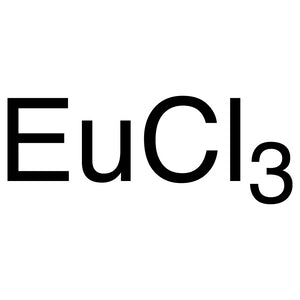
Europium(III)Chloride TCI E1489
Regular price From Rp 2.147.250,00Regular priceRp 1.517.250,00Sale price From Rp 2.147.250,00 -
Cerium(III)ChlorideAnhydrous TCI C2058
Regular price From Rp 1.988.700,00Regular priceRp 1.390.200,00Sale price From Rp 1.988.700,00