![375-22-4 Heptafluorobutyric Acid [Sequenation Reagent] - AMI Scientific](http://amiscientific.com/cdn/shop/files/TCI2510Q0054.jpg?v=1767137570&width=1946)
![375-22-4 Heptafluorobutyric Acid [Sequenation Reagent] - AMI Scientific](http://amiscientific.com/cdn/shop/files/TCI2510Q0054.jpg?v=1767137570&width=1445)
Heptafluorobutyric Acid (HFBA), with CAS number 375-22-4, is a chemical compound widely used in scientific applications, particularly in chemical biology and peptide chemistry. This reagent plays a crucial role in laboratory settings where peptide sequencing and structural analysis are required. HFBA is essential for identifying and characterizing the molecular structure of peptides, which is vital in biochemical and pharmacological research. Its use supports the development of new therapeutic agents and the understanding of biological processes at the molecular level.
HFBA is valued for its chemical stability and controlled reactivity, making it a reliable choice for various chemical reactions. It dissolves well in organic solvents, which simplifies its handling and application in experimental procedures. These properties ensure consistent results and enhance the efficiency of analytical processes. Additionally, its non-toxic nature and ease of storage contribute to its popularity among researchers. The compound is safe to handle and does not require special containment, making it a practical option for routine laboratory use.
In Indonesian laboratories, HFBA is commonly used in peptide-related research, including drug development and biological analysis. It is a key component in the work of research institutions and universities focused on chemical biology. Its availability and reliability make it an essential tool for scientists aiming to advance their studies in peptide chemistry and related fields. HFBA supports the accuracy and speed of analytical processes, contributing to the overall efficiency of scientific research in Indonesia.
Related TCI products
- TCI Q0053 76-05-1 Trifluoroacetic Acid [Sequenation Reagent]
- TCI A5713 375-22-4 Heptafluorobutyric Acid (ca. 0.5mol/L in Water) [Ion-Pair Reagent for LC-MS]
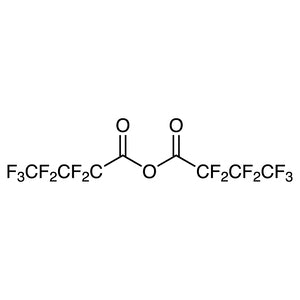
- TCI H0337 336-59-4 Heptafluorobutyric Anhydride
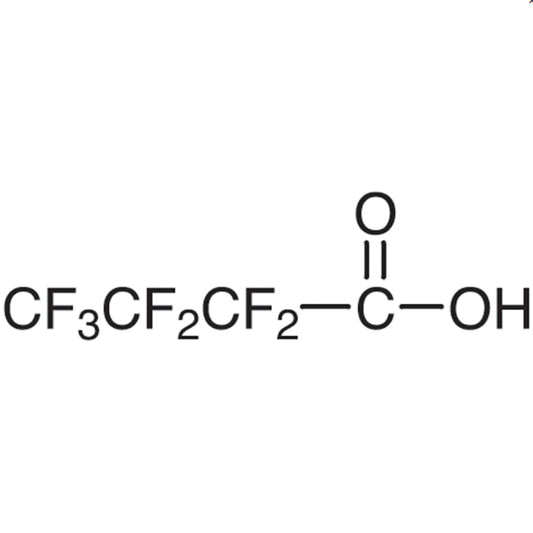
- TCI H0024 375-22-4 Heptafluorobutyric Acid
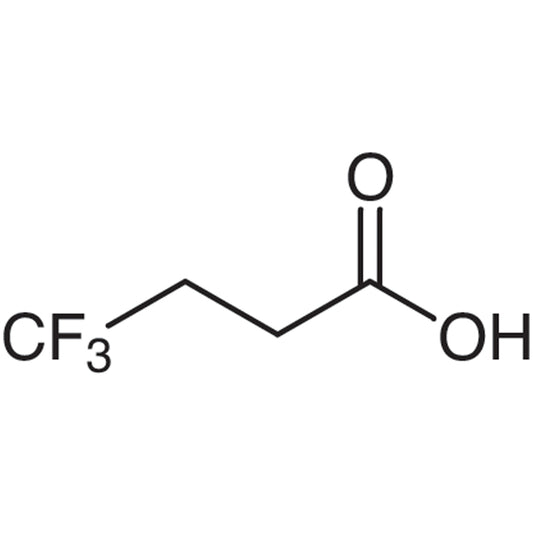
- TCI T2670 406-93-9 4,4,4-Trifluorobutyric Acid
- TCI H0548 375-01-9 2,2,3,3,4,4,4-Heptafluoro-1-butanol
- Peptide Sequencing: HFBA is ideal for peptide sequencing due to its ability to facilitate accurate and efficient analysis of amino acid sequences.
- Structural Characterization: It is used to determine the molecular structure of peptides, which is essential for understanding their biological functions.
- Drug Development: HFBA supports the development of new pharmaceuticals by aiding in the analysis of peptide-based compounds.
- Biochemical Research: It is widely applied in biochemical studies to investigate the properties and behavior of peptides in various environments.
- Analytical Chemistry: HFBA is a preferred reagent in analytical chemistry for its stability and compatibility with a range of experimental techniques.
| Brand | TCI |
|---|---|
| CAS number | 375-22-4 |
| Molecular formula | — |
| Purity | — |
| Category | Chemistry > Chemical Biology > Peptide Chemistry |
| Pack sizes | Available in standard laboratory quantities |
| Physical form | Liquid |
| Storage | Store in a cool, dry place away from direct sunlight |
HFBA should be stored in a cool, dry environment to maintain its chemical stability and prevent degradation. It is recommended to keep the reagent in a tightly sealed container to minimize exposure to moisture and air. Suitable containers for storage include glass or high-density polyethylene bottles, which provide protection against chemical interactions. General laboratory precautions include avoiding direct contact with skin and ensuring proper ventilation when handling the compound. Due to its non-toxic nature, HFBA does not require special containment, but standard safety practices should still be followed to ensure safe usage and handling.
—
Product Categories
Produk Terkait
-
TrifluoroaceticAcid[SequenationReagent] TCI Q0053
Regular price Rp 2.279.550,00Regular price -
HeptafluorobutyricAcid(ca.0.5mol/LinWater)[Ion-PairReagentforLC-MS] TCI A5713
Regular price From Rp 928.200,00Regular price -
HeptafluorobutyricAnhydride TCI H0337
Regular price Rp 2.279.550,00Regular price -
HeptafluorobutyricAcid TCI H0024
Regular price From Rp 2.545.200,00Regular price -
4,4,4-TrifluorobutyricAcid TCI T2670
Regular price From Rp 848.400,00Regular price -
2,2,3,3,4,4,4-Heptafluoro-1-butanol TCI H0548
Regular price From Rp 1.353.450,00Regular price -
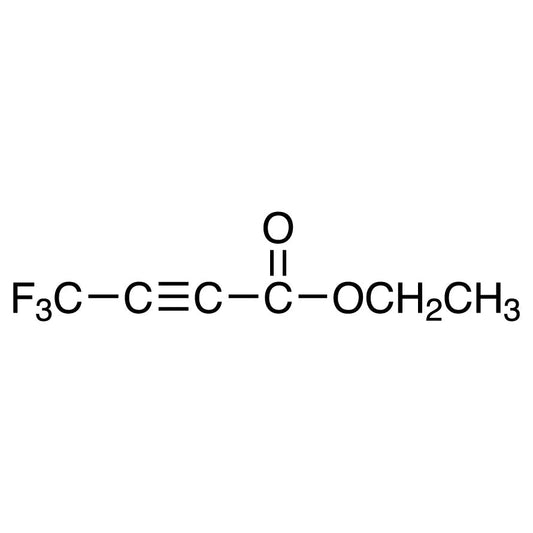
Ethyl4,4,4-Trifluorobut-2-ynoate TCI E1495
Regular price Rp 6.651.750,00Regular price -
2,2,3,3,4,4,4-HeptafluorobutylMethacrylate(stabilizedwithMEHQ) TCI H1674
Regular price From Rp 2.969.400,00Regular price
![76-05-1 Trifluoroacetic Acid [Sequenation Reagent] - AMI Scientific](http://amiscientific.com/cdn/shop/files/TCI2510Q0053.jpg?v=1767137566&width=533)
![375-22-4 Heptafluorobutyric Acid (ca. 0.5mol/L in Water) [Ion-Pair Reagent for LC-MS] - AMI Scientific](http://amiscientific.com/cdn/shop/files/TCI2510A5713.jpg?v=1768358993&width=533)