


Heptafluorobutyric Acid (HFBA), with CAS number 375-22-4, is a fluorinated chemical compound widely used in various chemical reactions, particularly in the synthesis of organofluorine compounds. As a key building block in fluorinated chemistry, HFBA plays a crucial role in laboratories where the development of specialized materials and pharmaceuticals is required. Its unique molecular structure, consisting of a carbon chain surrounded by fluorine atoms, makes it an essential reagent for creating compounds with hydrophobic and electronic properties. This compound is commonly found in chemical laboratories as a raw material for the production of compounds with specific functional characteristics.
HFBA is chemically stable under normal conditions but reactive in specific environments, making it a versatile reagent for a range of chemical processes. It has a high boiling point and the ability to form bonds with various functional groups, which makes it ideal for substitution reactions and bond formation reactions. Its strong fluorination properties make it a preferred choice in research involving new materials, pharmaceuticals, and specialized chemical compounds. The compound's reactivity and stability provide a balance that is highly valued in both academic and industrial research settings.
In Indonesian laboratories, HFBA is used extensively in scientific research, particularly in the fields of organic chemistry and material science. Its role in the development of electronic materials, insulating materials, and pharmacological compounds highlights its importance in both academic and applied research. HFBA is a critical component in projects that require fluorinated compounds due to its unique chemical properties and versatility in chemical synthesis.
TCI brochures (PDF)
- Fluorous Chemistry 2025-01-21 · p. 6
- Fluorination Reagents, Fluorinated Building Blocks 2026-03-18 · p. 52
Related TCI products
- Organic synthesis of fluorinated compounds due to its reactivity and ability to form various functional groups.
- Development of electronic materials because of its hydrophobic and insulating properties.
- Pharmaceutical research for the creation of fluorinated drug molecules with enhanced stability and bioavailability.
- Material science applications in the production of advanced polymers and coatings with specific chemical properties.
- Analytical chemistry for use as a standard in fluorine-containing compound characterization and testing.
| Brand | TCI |
|---|---|
| CAS number | 375-22-4 |
| Molecular formula | — |
| Purity | — |
| Category | Chemistry > Building Blocks > Fluorinated Building Blocks |
| Pack sizes | Available in various quantities as per standard laboratory supply |
| Physical form | Liquid |
| Storage | Store in a cool, dry place away from moisture and direct sunlight |
Heptafluorobutyric Acid should be stored in a cool, dry environment, away from moisture and direct sunlight to maintain its chemical stability. It is recommended to use sealed containers made of materials compatible with fluorinated compounds, such as glass or high-density polyethylene. Proper ventilation is essential when handling this compound to minimize exposure to vapors. Due to its reactivity under certain conditions, it should be kept in a secure location away from incompatible substances. Laboratory personnel should wear appropriate personal protective equipment, including gloves and safety goggles, to ensure safe handling and prevent accidental contact. Regular monitoring of storage conditions is necessary to maintain the integrity and effectiveness of the compound in research applications.
—
Produk Terkait
-
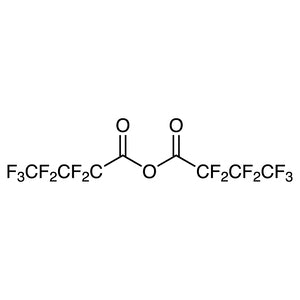
HeptafluorobutyricAnhydride TCI H0337
Regular price Rp 2.279.550,00Regular price -
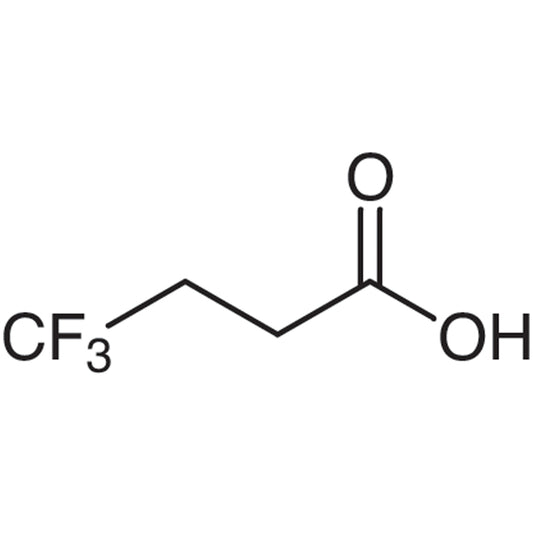
4,4,4-TrifluorobutyricAcid TCI T2670
Regular price From Rp 848.400,00Regular price -
2,2,3,3,4,4,4-Heptafluoro-1-butanol TCI H0548
Regular price From Rp 1.353.450,00Regular price -
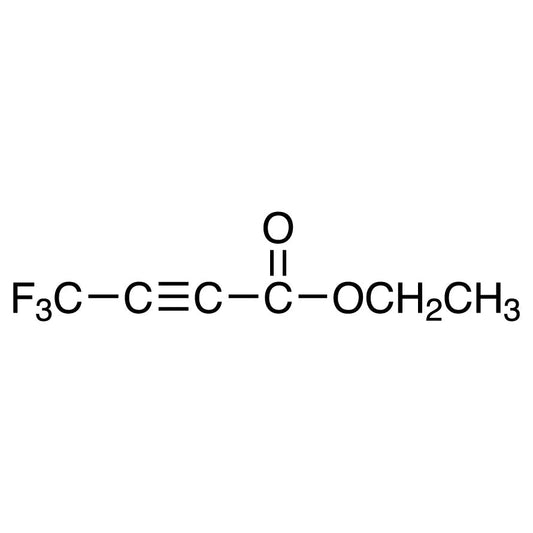
Ethyl4,4,4-Trifluorobut-2-ynoate TCI E1495
Regular price Rp 6.651.750,00Regular price -
MethylHeptafluorobutyrate TCI H1033
Regular price From Rp 1.035.300,00Regular price -
EthylHeptafluorobutyrate TCI H0594
Regular price From Rp 928.200,00Regular price -
HeptafluorobutyrylChloride[forHeptafluorobutyration] TCI H0508
Regular price From Rp 1.485.750,00Regular price -
Ethyl4,4,4-Trifluorobutyrate TCI E0830
Regular price From Rp 848.400,00Regular price





![Heptafluorobutyryl Chloride [for Heptafluorobutyration] (CAS 375-16-6) - TCI H0508 - AMI Scientific](http://amiscientific.com/cdn/shop/files/TCI2510H0508.jpg?v=1768360590&width=533)
