![Heptafluorobutyryl Chloride [for Heptafluorobutyration] (CAS 375-16-6) - TCI H0508 - AMI Scientific](http://amiscientific.com/cdn/shop/files/TCI2510H0508.jpg?v=1768360590&width=1946)
![Heptafluorobutyryl Chloride [for Heptafluorobutyration] (CAS 375-16-6) - TCI H0508 - AMI Scientific](http://amiscientific.com/cdn/shop/files/TCI2510H0508.jpg?v=1768360590&width=1445)
Heptafluorobutyryl Chloride (TCI H0508) is a chemical compound used in laboratory settings for fluorination reactions. It serves as a key building block in the synthesis of organofluorine compounds, which are essential in various scientific fields. This reagent is widely utilized in chemical research to introduce fluorine atoms into molecular structures, enhancing the stability and reactivity of the resulting compounds. Its role is critical in the development of new pharmaceuticals, advanced materials, and analytical tools.
The compound’s high fluorine content and reactivity make it a preferred choice for chemical synthesis. Its unique chemical structure allows for precise control in fluorination processes, ensuring accurate molecular modifications. The compound’s stability under controlled conditions further supports its use in complex reactions. These properties make it an essential tool for researchers requiring high precision and reliability in their experiments.
In Indonesian laboratories, Heptafluorobutyryl Chloride is commonly used in pharmaceutical and organic chemistry research. It plays a vital role in the development of new drugs and materials with enhanced properties. Its availability and consistent quality make it a reliable choice for scientists working on fluorinated compounds. This reagent is particularly valued in research that demands high accuracy and reproducibility.
- Fluorination Reactions: This compound is ideal for introducing fluorine atoms into organic molecules, enhancing their stability and reactivity.
- Organic Synthesis: It is widely used in the synthesis of complex fluorinated compounds, which are essential in pharmaceutical and material sciences.
- Pharmaceutical Research: Its role in creating fluorinated drug molecules makes it a key reagent in drug development and modification.
- Material Science: It is used to develop advanced materials with unique properties, such as high thermal stability and chemical resistance.
- Analytical Chemistry: It supports the creation of fluorinated standards and reagents for precise chemical analysis and detection methods.
| Brand | TCI |
|---|---|
| CAS number | 375-16-6 |
| Molecular formula | — |
| Purity | — |
| Category | Chemistry > Building Blocks > Fluorinated Building Blocks |
| Pack sizes | — |
| Physical form | — |
| Storage | Store in a cool, dry place away from moisture and direct sunlight. |
Heptafluorobutyryl Chloride should be stored in a cool, dry environment to maintain its chemical integrity. It is recommended to keep it in a tightly sealed container to prevent exposure to moisture and air. Due to its reactivity, it should be handled in a well-ventilated area, ideally under a fume hood. Avoid contact with incompatible materials such as strong bases or reducing agents. Always use appropriate personal protective equipment, including gloves and safety goggles, when handling this compound. Regularly inspect storage conditions to ensure optimal preservation and safety in the laboratory.
—
Produk Terkait
-
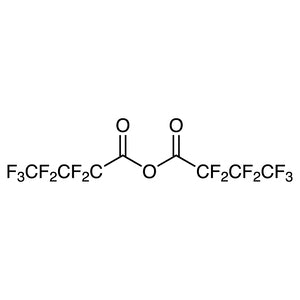
HeptafluorobutyricAnhydride TCI H0337
Regular price Rp 2.279.550,00Regular price -
1-(Heptafluorobutyryl)imidazole[AcylatingAgent] TCI H0467
Regular price From Rp 4.373.250,00Regular price -
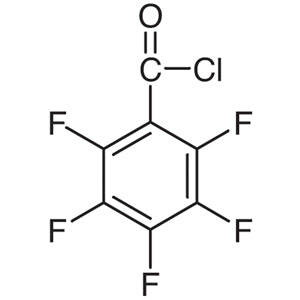
PentafluorobenzoylChloride TCI P0807
Regular price From Rp 1.273.650,00Regular price -
TrifluoroaceticAnhydride TCI T0433
Regular price From Rp 769.650,00Regular price -
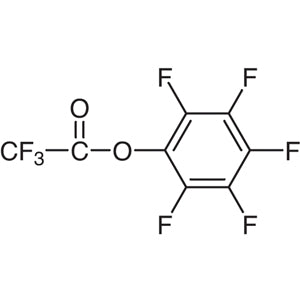
PentafluorophenylTrifluoroacetate TCI P1894
Regular price From Rp 1.644.300,00Regular price -
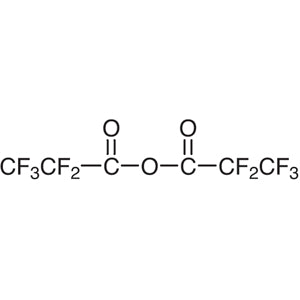
PentafluoropropionicAnhydride TCI P0566
Regular price From Rp 1.008.000,00Regular price -
MethylHeptafluorobutyrate TCI H1033
Regular price From Rp 1.035.300,00Regular price -
EthylHeptafluorobutyrate TCI H0594
Regular price From Rp 928.200,00Regular price
![1-(Heptafluorobutyryl)imidazole [Acylating Agent] (CAS 32477-35-3) - TCI H0467 - AMI Scientific](http://amiscientific.com/cdn/shop/files/TCI2510H0467.jpg?v=1769142527&width=533)