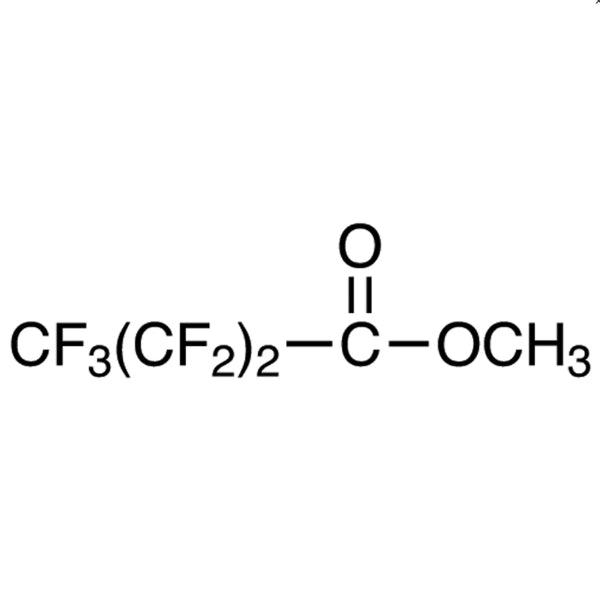
Methyl Heptafluorobutyrate (MHPB) is a fluorinated organic compound widely used in chemical laboratories for the synthesis of complex molecules. As a fluorinated building block, it plays a crucial role in organic chemistry and pharmaceutical research. Its unique molecular structure, characterized by a high fluorine content, influences both its chemical and physical properties, making it a versatile reagent in various synthetic processes. MHPB is particularly valuable in reactions that require the introduction of fluoro groups, such as substitution reactions and fluorination processes.
The chemical stability of MHPB, combined with its reactivity under specific conditions, makes it a preferred choice for synthetic chemists. The high electronegativity of fluorine atoms in MHPB contributes to its ability to act as a reagent or intermediate in a wide range of chemical transformations. This property is especially important in the development of new pharmaceutical compounds and advanced materials. Its reliability and effectiveness in controlled laboratory settings ensure consistent results in research and development projects.
In Indonesian laboratories, MHPB is extensively used in scientific research and chemical product development. It is a key component in the work of research institutions, universities, and pharmaceutical companies. The availability of MHPB in various packaging options facilitates its use in both small-scale and large-scale laboratory operations. Its importance in the field of organic chemistry and drug synthesis is well recognized among Indonesian scientific communities.
- Organic synthesis applications benefit from MHPB's ability to introduce fluorine atoms into complex molecular structures, enhancing the reactivity and stability of target compounds.
- Pharmaceutical research utilizes MHPB as a fluorinating agent to develop new drugs with improved pharmacological properties and bioavailability.
- Fluorinated compound development relies on MHPB's unique molecular structure to create materials with specific physical and chemical characteristics.
- Analytical chemistry experiments use MHPB as a standard reference material for testing and calibrating analytical instruments.
- Industrial chemical production incorporates MHPB in the manufacture of specialty chemicals requiring precise fluorine content for desired properties.
| Brand | TCI |
|---|---|
| CAS number | 356-24-1 |
| Molecular formula | — |
| Purity | — |
| Category | Chemistry > Building Blocks > Fluorinated Building Blocks |
| Pack sizes | Available in various quantities to suit different laboratory needs |
| Physical form | Liquid |
| Storage | Store in a cool, dry place away from direct sunlight |
Methyl Heptafluorobutyrate should be stored in a cool, dry environment, away from direct sunlight and sources of heat. It is recommended to keep the material in a tightly sealed container to prevent exposure to air and moisture. Due to its chemical reactivity, it should be handled with appropriate personal protective equipment, including gloves and safety goggles. Storage in a well-ventilated area is essential to minimize the risk of inhalation of vapors. Regular inspection of containers for leaks or damage is advised to ensure safe handling and long-term stability. Proper labeling of storage containers is also important for safety and regulatory compliance.
—
Produk Terkait
-
EthylHeptafluorobutyrate TCI H0594
Regular price From Rp 928.200,00Regular price -
2,2,3,3,4,4,4-Heptafluoro-1-butanol TCI H0548
Regular price From Rp 1.353.450,00Regular price -
HeptafluorobutyrylChloride[forHeptafluorobutyration] TCI H0508
Regular price From Rp 1.485.750,00Regular price -
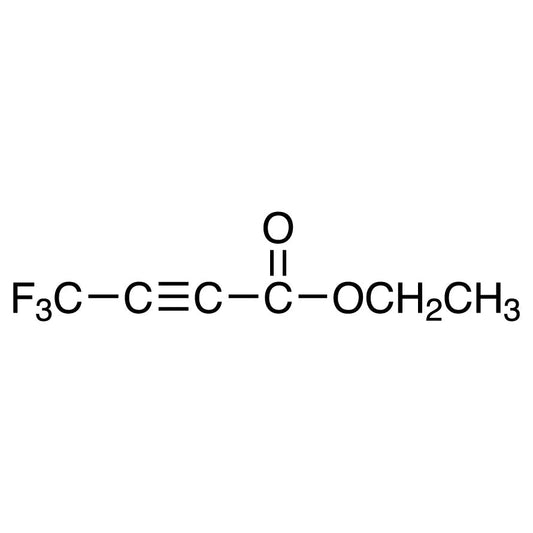
Ethyl4,4,4-Trifluorobut-2-ynoate TCI E1495
Regular price Rp 6.651.750,00Regular price -
Ethyl4,4,4-Trifluorobutyrate TCI E0830
Regular price From Rp 848.400,00Regular price -
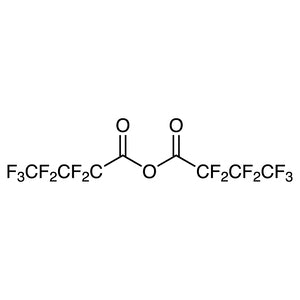
HeptafluorobutyricAnhydride TCI H0337
Regular price Rp 2.279.550,00Regular price -
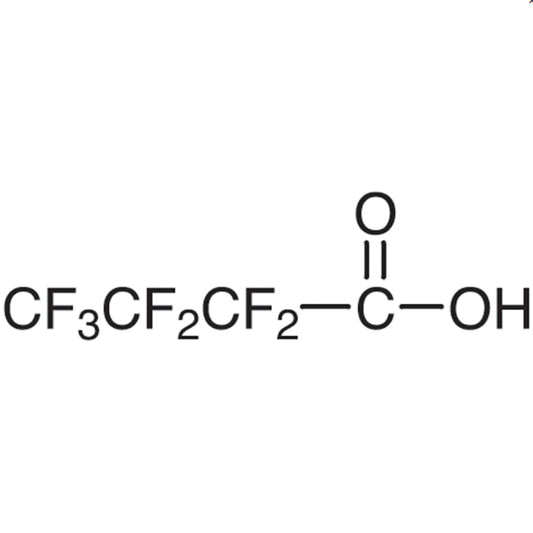
HeptafluorobutyricAcid TCI H0024
Regular price From Rp 2.545.200,00Regular price -
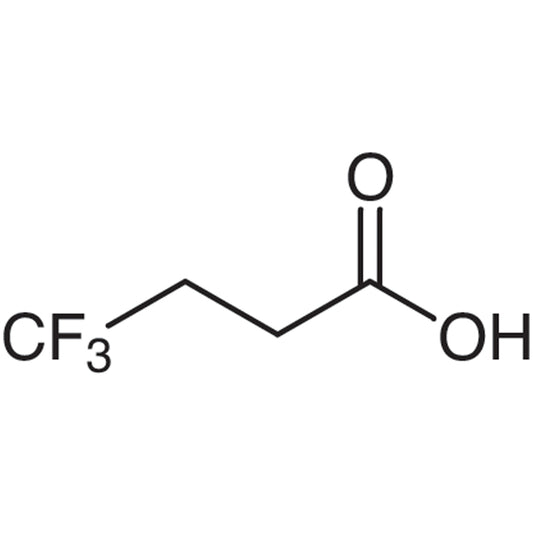
4,4,4-TrifluorobutyricAcid TCI T2670
Regular price From Rp 848.400,00Regular price


![Heptafluorobutyryl Chloride [for Heptafluorobutyration] (CAS 375-16-6) - TCI H0508 - AMI Scientific](http://amiscientific.com/cdn/shop/files/TCI2510H0508.jpg?v=1768360590&width=533)