
![76-05-1 Trifluoroacetic Acid [Sequenation Reagent] - AMI Scientific](http://amiscientific.com/cdn/shop/files/TCI2510Q0053.jpg?v=1767137566&width=1946)
![76-05-1 Trifluoroacetic Acid [Sequenation Reagent] - AMI Scientific](http://amiscientific.com/cdn/shop/files/TCI2510Q0053.jpg?v=1767137566&width=1445)
Trifluoroacetic Acid (TFA), with the CAS number 76-05-1, is a powerful reagent widely used in chemical and biochemical laboratories. It plays a crucial role in peptide chemistry, particularly in the field of protein sequencing and peptide synthesis. TFA is known for its strong acidic properties and high polarity, making it an essential tool for various analytical and synthetic processes. Its ability to break down complex molecular structures and facilitate the purification of organic compounds has made it a staple in modern laboratory settings.
TFA is preferred due to its strong acidic nature and high polarity, which enable it to dissolve a wide range of organic and inorganic compounds. These properties make it ideal for applications such as protein denaturation, precipitation of compounds, and the cleavage of peptide bonds during sequencing. Its effectiveness in extreme acidic environments also makes it suitable for advanced chemical reactions that require harsh conditions. Additionally, TFA is stable under certain conditions, ensuring reliable performance and long-term usability.
In Indonesian laboratories, TFA is commonly used in biochemical research, pharmaceutical development, and organic chemistry experiments. Its high reactivity and versatility make it a preferred choice for researchers seeking efficient and reliable reagents. The compound's role in both analytical and synthetic processes ensures its continued importance in scientific studies across various disciplines.
Related TCI products
- TCI Q0054 375-22-4 Heptafluorobutyric Acid [Sequenation Reagent]
- TCI A5711 76-05-1 Trifluoroacetic Acid (ca. 0.5mol/L in Water) [Ion-Pair Reagent for LC-MS]
- TCI T0433 407-25-0 Trifluoroacetic Anhydride
- TCI T0431 76-05-1 Trifluoroacetic Acid
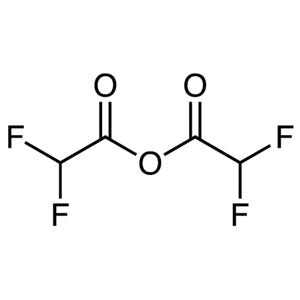
- TCI D4164 401-67-2 Difluoroacetic Anhydride
- TCI D1423 381-73-7 Difluoroacetic Acid
- Protein sequencing and peptide synthesis due to its ability to cleave peptide bonds and denature proteins effectively.
- Organic compound purification and analysis because of its strong acidic properties and high polarity.
- DNA and RNA sequencing applications where it aids in the breakdown of complex molecular structures.
- Synthesis of complex organic molecules due to its reactivity and capacity to modify biological compounds.
- Precipitation of compounds in analytical chemistry for separation and isolation of target substances.
| Brand | TCI |
|---|---|
| CAS number | 76-05-1 |
| Molecular formula | — |
| Purity | — |
| Category | Chemistry > Chemical Biology > Peptide Chemistry |
| Pack sizes | Available in various sizes as per standard laboratory requirements |
| Physical form | Liquid |
| Storage | Store in a cool, dry place away from direct sunlight |
Trifluoroacetic acid should be stored in a cool, dry environment, away from direct sunlight and incompatible materials. It is recommended to use airtight containers made of materials resistant to chemical corrosion, such as glass or high-density polyethylene. Due to its strong acidity, it is essential to handle TFA with appropriate personal protective equipment, including gloves, goggles, and a lab coat. In the laboratory, it should be kept in a well-ventilated area to prevent the accumulation of harmful vapors. Always ensure that spill containment measures are in place to minimize risks associated with its corrosive nature.
—
Product Categories
Produk Terkait
-
HeptafluorobutyricAcid[SequenationReagent] TCI Q0054
Regular price Rp 3.949.050,00Regular price -
TrifluoroaceticAcid(ca.0.5mol/LinWater)[Ion-PairReagentforLC-MS] TCI A5711
Regular price Rp 689.850,00Regular price -
TrifluoroaceticAnhydride TCI T0433
Regular price From Rp 769.650,00Regular price -
TrifluoroaceticAcid TCI T0431
Regular price From Rp 505.050,00Regular price -
DifluoroaceticAnhydride TCI D4164
Regular price Rp 4.240.950,00Regular price -
DifluoroaceticAcid TCI D1423
Regular price From Rp 477.750,00Regular price -
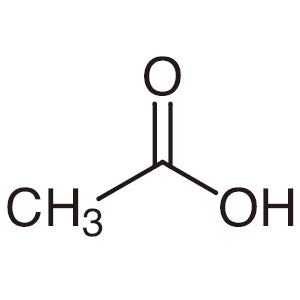
AceticAcid TCI A2035
Regular price Rp 477.750,00Regular price -
EthylAcetate[SequencingSolvent] TCI Q0040
Regular price Rp 823.200,00Regular price
![375-22-4 Heptafluorobutyric Acid [Sequenation Reagent] - AMI Scientific](http://amiscientific.com/cdn/shop/files/TCI2510Q0054.jpg?v=1767137570&width=533)
![76-05-1 Trifluoroacetic Acid (ca. 0.5mol/L in Water) [Ion-Pair Reagent for LC-MS] - AMI Scientific](http://amiscientific.com/cdn/shop/files/TCI2510A5711.jpg?v=1769141526&width=533)



![141-78-6 Ethyl Acetate [Sequencing Solvent] - AMI Scientific](http://amiscientific.com/cdn/shop/files/TCI2510Q0040.jpg?v=1767137554&width=533)