Acetic Acid TCI A2035, with the CAS number 64-19-7, is a widely used chemical compound in laboratory settings, particularly in organic chemistry and biochemical research. It is a colorless liquid with a distinct vinegar-like odor and is known for its strong acidic properties. This compound plays a crucial role in facilitating various chemical reactions, including hydrolysis of proteins and peptides, and is commonly employed as a solvent in synthetic processes. Its versatility makes it an essential component in both academic and industrial research environments.
The chemical properties of Acetic Acid TCI A2035 make it a preferred choice for laboratory use. It is highly soluble in water and many organic solvents, which simplifies its handling and application in diverse experimental setups. Its stability under normal laboratory conditions ensures consistent performance, while its availability in standard concentrations supports a wide range of applications. The compound’s ability to participate in esterification and carboxylic acid synthesis further enhances its utility in chemical synthesis and analytical procedures.
In Indonesian laboratories, Acetic Acid TCI A2035 is commonly used in educational institutions, research centers, and industrial laboratories. It supports a variety of experiments, including organic synthesis, biochemical assays, and analytical chemistry. Its widespread use reflects its importance in both teaching and research, making it a fundamental reagent in the Indonesian scientific community.
TCI brochures (PDF)
- Rapid Transparency Reagent for Plants TOMEI 2024-02-16 · p. 2
- Plants Tissue-Clearing Reagent Suitable for Fluorescent Protein Observation iTOMEI 2023-06-06 · p. 2
- Reagents for Preparing Animal Disease Models 2024-09-13 · p. 1
- Colloidal Quantum Dot (QD) Research Reagents 2026-05-21 · p. 3
- Plant Research Reagents 2026-02-24 · p. 3
- Lipids 2025-12-17 · p. 4
- Organic synthesis experiments benefit from Acetic Acid TCI A2035 as it facilitates esterification and carboxylic acid formation.
- Biochemical research utilizes this acid for protein and peptide hydrolysis, aiding in the study of molecular structures.
- Analytical chemistry applications rely on its solubility properties for sample preparation and chromatographic analysis.
- Educational laboratories use it to demonstrate acid-base reactions and basic organic chemistry principles.
- Industrial research settings employ it as a cost-effective solvent in the production of various chemical compounds.
From the TCI brochure
- Component of fixative solution for TOMEI-I (Acetic acid : Ethanol = 1 : 3)
| Brand | TCI |
|---|---|
| CAS number | 64-19-7 |
| Molecular formula | — |
| Purity | — |
| Category | Chemistry > Chemical Biology > Peptide Chemistry |
| Pack sizes | Available in standard laboratory quantities |
| Physical form | Colorless liquid |
| Storage | Store in a cool, dry place away from incompatible materials |
Data from the TCI brochure
| Rasio fiksatif | Acetic acid : Ethanol = 1 : 3 (fixative solution, TOMEI-I (Application 2), prepared at time of use) |
|---|
Source: TCI brochure LL055 (2024-02-16)
Acetic Acid TCI A2035 should be stored in a cool, dry place, away from direct sunlight and incompatible substances such as strong bases or oxidizers. It is recommended to use sealed containers made of materials resistant to corrosion, such as glass or polyethylene. Due to its acidic nature, proper personal protective equipment, including gloves and safety goggles, should be worn during handling. The substance should be kept in a well-ventilated area to prevent inhalation of vapors. In case of spillage, it should be cleaned up promptly using appropriate safety measures to ensure laboratory safety and compliance with standard operating procedures.
—
Product Categories
- Biochemicals and ReagentsAnimal Disease Models PreparationReagents for Inflammation and Immunity Disorder Models
- Biochemicals and ReagentsAnimal Disease Models PreparationReagents for Disease Models (Other)
- Biochemicals and ReagentsAnimal Disease Models PreparationReagents for Pain and Itch Models
- Biochemicals and ReagentsLipidsFatty Acyls
- Pharmaceutical Development and Drug Discovery ResearchPeptide ChemistryAmino Acid Sequencing Reagents
Produk Terkait
-
ArachidonicAcid TCI A0781
Regular price From Rp 2.384.550,00Regular priceRp 1.683.150,00Sale price From Rp 2.384.550,00 -
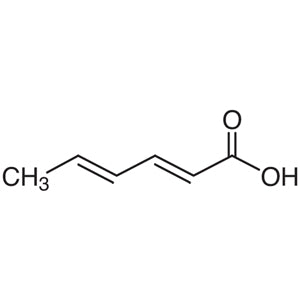
SorbicAcid TCI S0053
Regular price From Rp 505.050,00Regular priceRp 368.550,00Sale price From Rp 505.050,00 -
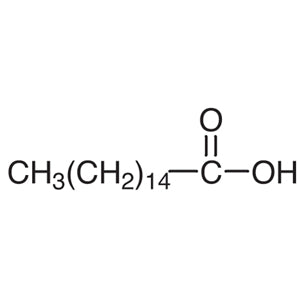
PalmiticAcid TCI P1145
Regular price Rp 2.704.800,00Regular priceRp 1.891.050,00Sale price Rp 2.704.800,00 -
PropionicAcid TCI P0500
Regular price From Rp 505.050,00Regular priceRp 368.550,00Sale price From Rp 505.050,00 -
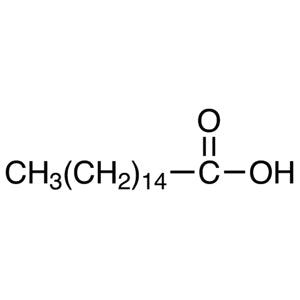
PalmiticAcid TCI P0002
Regular price From Rp 505.050,00Regular priceRp 352.800,00Sale price From Rp 505.050,00 -
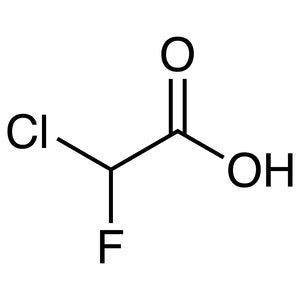
Chloro(fluoro)aceticAcid TCI C3654
Regular price Rp 4.161.150,00Regular priceRp 2.925.300,00Sale price Rp 4.161.150,00 -
CitricAcid TCI C1949
Regular price Rp 477.750,00Regular priceRp 333.900,00Sale price Rp 477.750,00 -
ValericAcid TCI V0003
Regular price From Rp 610.050,00Regular priceRp 426.300,00Sale price From Rp 610.050,00