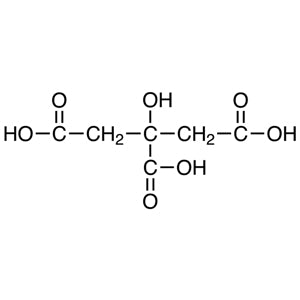
Citric acid (TCI C1949, CAS 77-92-9) is a widely used organic compound in laboratory settings. As a fundamental chemical building block, it plays a crucial role in the synthesis of various compounds and is commonly employed in chemical reactions that require a low pH environment. Its versatility makes it an essential component in both research and industrial applications. Citric acid is frequently utilized in organic synthesis, pH adjustment, and as a natural preservative in experimental procedures. Its chemical stability and solubility in water make it a reliable and consistent material for laboratory use.
One of the key reasons citric acid is preferred is its solubility in water and its acidic nature, which allows it to effectively regulate pH levels in solutions. It is also chemically stable and does not degrade easily under normal storage conditions, ensuring long-term reliability. Additionally, citric acid is non-toxic and relatively safe to handle, making it an environmentally friendly choice for laboratory work. These properties contribute to its widespread use in both academic and industrial laboratories.
In Indonesian laboratories, citric acid is commonly used in research settings, particularly in chemistry and pharmaceutical studies. It is a staple in pH adjustment, organic synthesis, and as a preservative in various chemical experiments. Its availability and cost-effectiveness make it a popular choice among researchers and technicians working in both academic and industrial environments.
TCI brochures (PDF)
- Metal Extractants for Lithium Ion Battery Recycling 2024-01-16 · p. 1
- Reagents for Preparing Animal Disease Models 2024-09-13 · p. 2
- Colloidal Quantum Dot (QD) Research Reagents 2026-05-21 · p. 12
- pH adjustment in chemical reactions where a low pH environment is required for optimal reaction conditions.
- Organic synthesis as a reagent or acid source in the preparation of various organic compounds.
- Natural preservative in experiments involving aqueous solutions to prevent microbial growth.
- Crystal growth and precipitation processes due to its ability to control solution pH and solubility.
- Buffering agents in biochemical experiments to maintain stable pH levels during reactions.
From the TCI brochure
- Metal extractant for lithium ion battery recycling (Extractants section)
- Leaching agent for lithium ion battery recycling (Leaching Agents section)
| Brand | TCI |
|---|---|
| CAS number | 77-92-9 |
| Molecular formula | — |
| Purity | — |
| Category | Chemistry > Building Blocks > Non-Heterocyclic Building Blocks |
| Pack sizes | Available in various quantities as per supplier specifications |
| Physical form | White crystalline powder |
| Storage | Store in a cool, dry place away from moisture and direct sunlight |
Data from the TCI brochure
| Ukuran kemasan | 500g |
|---|
Source: TCI brochure FF164 (2024-01-16)
Citric acid should be stored in a cool, dry place, away from moisture and direct sunlight to maintain its chemical stability. It is recommended to use airtight containers to prevent exposure to humidity, which could affect its solubility and purity. As a water-soluble compound, it should be kept in a location that minimizes contact with water vapor. Proper labeling of containers is essential for safe handling. In laboratory settings, it is important to wear appropriate personal protective equipment, such as gloves and safety goggles, when handling citric acid. Its non-toxic nature makes it relatively safe, but care should still be taken to avoid inhalation of fine particles or skin contact.
—
Product Categories
Produk Terkait
-
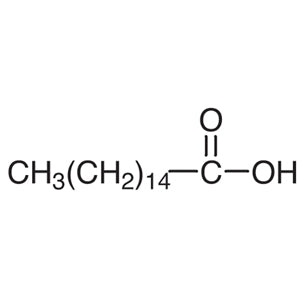
PalmiticAcid TCI P1145
Regular price Rp 2.704.800,00Regular priceRp 1.891.050,00Sale price Rp 2.704.800,00 -
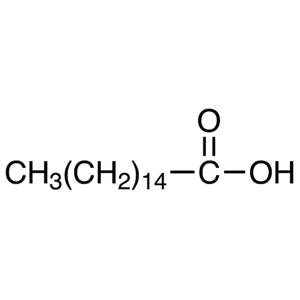
PalmiticAcid TCI P0002
Regular price From Rp 505.050,00Regular priceRp 352.800,00Sale price From Rp 505.050,00 -
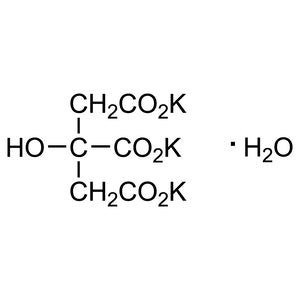
TripotassiumCitrateMonohydrate TCI T4391
Regular price From Rp 452.550,00Regular priceRp 316.050,00Sale price From Rp 452.550,00 -
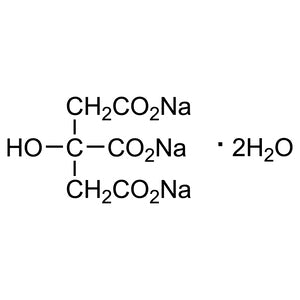
TrisodiumCitrateDihydrate TCI T4390
Regular price From Rp 452.550,00Regular priceRp 316.050,00Sale price From Rp 452.550,00 -
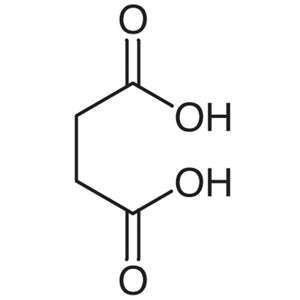
SuccinicAcid TCI S0100
Regular price From Rp 530.250,00Regular priceRp 386.400,00Sale price From Rp 530.250,00 -
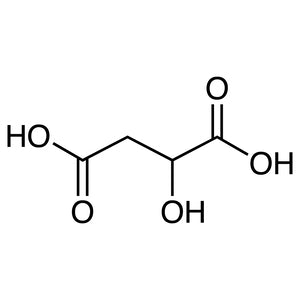
DL-MalicAcid TCI M0020
Regular price From Rp 530.250,00Regular priceRp 386.400,00Sale price From Rp 530.250,00 -
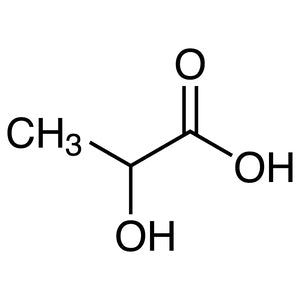
DL-LacticAcid TCI L0226
Regular price From Rp 452.550,00Regular priceRp 316.050,00Sale price From Rp 452.550,00 -
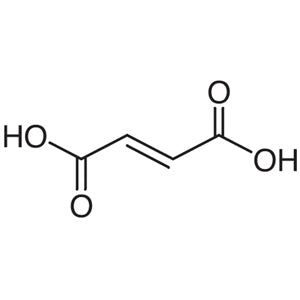
FumaricAcid TCI F0067
Regular price From Rp 530.250,00Regular priceRp 386.400,00Sale price From Rp 530.250,00