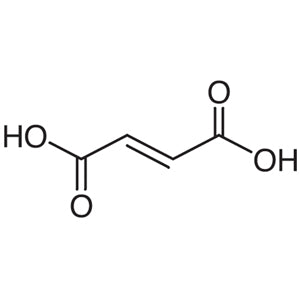
Fumaric Acid (TCI F0067 110-17-8) is an organic compound characterized by its carbon backbone and two carboxyl groups. It is a versatile building block in chemical synthesis and polymerization reactions, widely used in laboratories for its reactivity and functional group compatibility. As a fundamental chemical, it plays a critical role in the development of complex organic molecules through various chemical transformations such as esterification and hydrolysis. Its ability to participate in multiple reaction types makes it an essential tool for researchers in diverse scientific fields.
Fumaric Acid is preferred due to its high purity and consistent physical properties, ensuring reliable results in experimental processes. It is colorless and solid, with a distinct acidic taste, making it easy to identify and handle. Its chemical stability under normal conditions enhances its usability, while its reactivity under specific conditions like high temperature or humidity allows for controlled experimental outcomes. These properties make it a reliable choice for laboratories requiring precision and quality in their chemical experiments.
In Indonesian laboratories, Fumaric Acid is commonly used in organic chemistry, pharmaceutical research, and food industry applications. Its availability and reliability make it a staple in both academic and industrial settings. Its role in synthesizing compounds and conducting polymerization reactions is vital for advancing research and development in various scientific disciplines.
- Organic synthesis where Fumaric Acid serves as a versatile building block for creating complex molecules through esterification and other reactions.
- Polymerization processes that benefit from its reactivity, enabling the formation of various polymeric materials with tailored properties.
- Pharmaceutical research where it is used in the development of drug compounds due to its functional group compatibility and chemical stability.
- Food industry applications for the production of flavoring agents and acidulants, leveraging its acidic nature and solubility.
- Analytical chemistry experiments where its consistent physical properties ensure accurate and reproducible results in testing and characterization.
| Brand | TCI |
|---|---|
| CAS number | 110-17-8 |
| Molecular formula | — |
| Purity | — |
| Category | Chemistry > Building Blocks > Non-Heterocyclic Building Blocks |
| Pack sizes | Available in various quantities as per standard laboratory supply options |
| Physical form | Solid, colorless |
| Storage | Store in a cool, dry place away from moisture and direct sunlight |
Fumaric Acid should be stored in a cool, dry environment to maintain its chemical stability and prevent degradation. It is recommended to keep it in airtight containers to avoid exposure to moisture, which can affect its reactivity. Due to its acidic nature, it should be handled with appropriate personal protective equipment, such as gloves and safety goggles, to ensure laboratory safety. It is important to store it away from incompatible substances to prevent unwanted chemical reactions. Regular inspection of storage conditions ensures the material remains in optimal condition for use in experiments. Proper labeling and organization of storage areas help maintain a safe and efficient laboratory environment.
—
Produk Terkait
-
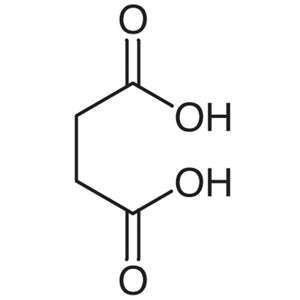
SuccinicAcid TCI S0100
Regular price From Rp 477.750,00Regular price -
PalmiticAcid TCI P1145
Regular price Rp 2.704.800,00Regular price -
PalmiticAcid TCI P0002
Regular price From Rp 505.050,00Regular price -
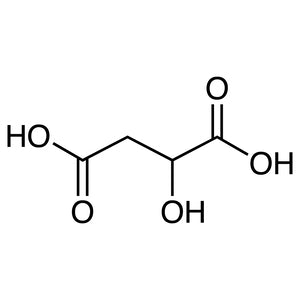
DL-MalicAcid TCI M0020
Regular price From Rp 477.750,00Regular price -
DL-LacticAcid TCI L0226
Regular price From Rp 452.550,00Regular price -
CitricAcid TCI C1949
Regular price Rp 477.750,00Regular price -
GallicAcid TCI G0011
Regular price From Rp 505.050,00Regular price -
TripotassiumCitrateMonohydrate TCI T4391
Regular price From Rp 452.550,00Regular price