Rabeprazole Sodium Salt is a chemical compound widely used in scientific experiments, particularly in the fields of biochemistry and reagents. It functions as a proton pump inhibitor, playing a crucial role in the suppression of gastric acid secretion. This compound is essential for various laboratory applications, including research on the digestive system, drug development, and the study of mechanisms related to gastric acid. Its versatility makes it a valuable tool for researchers seeking to understand and manipulate physiological processes involving acid secretion.
The chemical properties of Rabeprazole Sodium Salt make it a preferred choice in laboratory settings. It exhibits chemical stability and controlled reactivity, ensuring consistent performance across different experimental conditions. Additionally, it dissolves well in organic solvents, facilitating its use in a wide range of chemical reactions and analytical procedures. These characteristics contribute to its reliability and ease of handling, making it a trusted material for both academic and industrial research.
In Indonesian laboratories, Rabeprazole Sodium Salt is extensively used in pharmacological, biochemical, and clinical research. It is commonly employed in drug development and toxicity testing, particularly within research institutions and universities focused on health and pharmaceutical sciences. Its application extends to studies involving gastrointestinal disorders and the development of therapeutic agents targeting acid-related conditions.
TCI brochures (PDF)
- Pharmaceutical Ingredients for Research and Experimental Use 2026-03-09 · p. 47
- Drug development and toxicity testing due to its role in inhibiting gastric acid secretion and its use in assessing pharmaceutical compounds.
- Biochemical research for studying proton pump mechanisms and their impact on acid secretion in the digestive system.
- Clinical research applications in the investigation of gastrointestinal disorders and the development of therapeutic agents.
- Pharmaceutical studies for evaluating the efficacy and safety of compounds targeting acid-related conditions.
- Academic research in health sciences and pharmacology for understanding the biochemical pathways involved in acid regulation.
| Brand | TCI |
|---|---|
| CAS number | 117976-90-6 |
| Molecular formula | — |
| Purity | — |
| Category | Life Science > Biochemicals and Reagents > Enzymes, Enzyme Inhibitors, Enzyme Substrates |
| Pack sizes | Available in various quantities as per standard laboratory requirements |
| Physical form | Solid powder |
| Storage | Store in a cool, dry place away from moisture and direct sunlight |
Rabeprazole Sodium Salt should be stored in a cool, dry place, away from moisture and direct sunlight to maintain its chemical stability. It is recommended to use airtight containers to prevent exposure to humidity and contaminants. Due to its controlled reactivity, it should be handled with standard laboratory precautions, including the use of gloves and safety goggles. Avoid contact with incompatible substances to ensure safe handling. Proper labeling and storage conditions are essential to preserve its effectiveness and ensure safe use in laboratory environments.
—
Product Categories
- Biochemicals and ReagentsEnzymes, Enzyme Inhibitors, Enzyme SubstratesEnzyme Inhibitors [Biochemicals and Reagents]
- Biochemicals and ReagentsPharmaceutical Research Reagents (for Experimental Use)Pharmaceutical Research Reagents (Others)
- Pharmaceutical Development and Drug Discovery ResearchPharmaceutical Research Reagents (for Experimental Use)Pharmaceutical Research Reagents (Others)
Produk Terkait
-
RabeprazoleSulfide TCI R0098
Regular price From Rp 452.550,00Regular price -
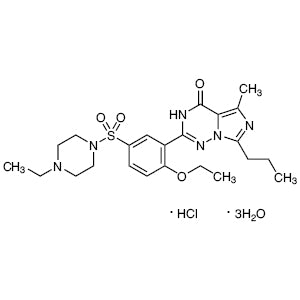
VardenafilHydrochlorideTrihydrate TCI V0174
Regular price Rp 1.776.600,00Regular price -
Tadalafil TCI T4029
Regular price Rp 7.129.500,00Regular price -
Theophylline-7-aceticAcid TCI T2941
Regular price Rp 1.035.300,00Regular price -
Brinzolamide TCI B4258
Regular price From Rp 2.677.500,00Regular price -
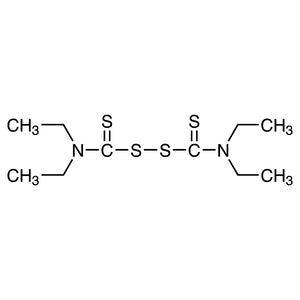
TetraethylthiuramDisulfide TCI B0479
Regular price From Rp 505.050,00Regular price -
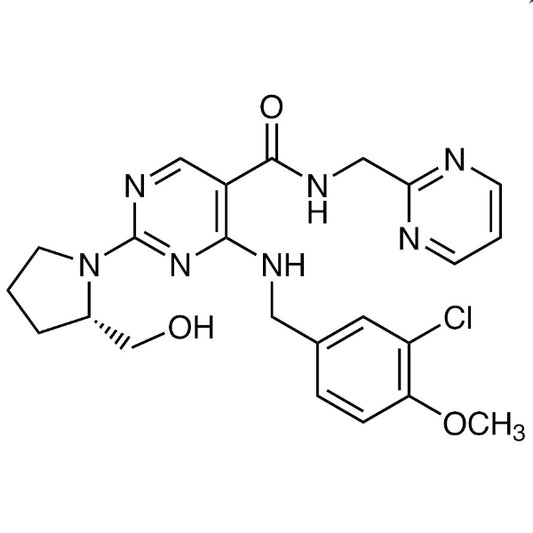
Avanafil TCI A3476
Regular price From Rp 1.749.300,00Regular price -
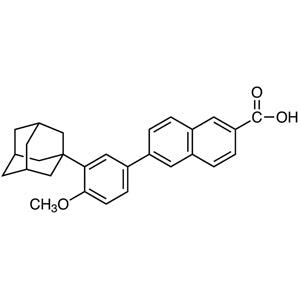
Adapalene TCI A2549
Regular price From Rp 2.227.050,00Regular price