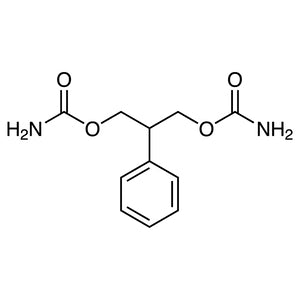
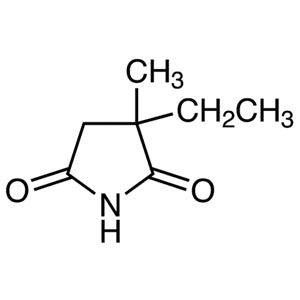
Rufinamide, with the CAS number 106308-44-5, is a chemical compound widely used in pharmacological and biochemical research. As a pharmaceutical research reagent, it plays a crucial role in experimental settings where the investigation of drug mechanisms and biological system interactions is required. Its chemical properties make it a valuable tool for studying anti-epileptic activity and therapeutic effects across various cell models. This compound is essential for laboratories focused on drug discovery and medical therapy development.
Rufinamide is preferred due to its stability under specific conditions and compatibility with multiple analytical techniques such as spectroscopy, chromatography, and chemical reactions. Its controlled chemical properties ensure safe handling in laboratory environments, making it a reliable choice for researchers. The availability of various packaging options allows for flexibility in experimental scale, catering to both small and large-scale studies. This versatility enhances its utility in diverse research applications.
In Indonesian laboratories, Rufinamide is commonly used in pharmaceutical and biomedical research settings. Local researchers utilize it to explore pharmacological effects and molecular interaction mechanisms. Its application in experimental studies supports the development of new therapeutic approaches and contributes to scientific advancements in the region.
TCI brochures (PDF)
- Pharmaceutical Ingredients for Research and Experimental Use 2026-03-09 · p. 30
- Fluorination Reagents, Fluorinated Building Blocks 2026-03-18 · p. 31
- Anti-Epileptic Activity Research: Rufinamide is used to study the effects of drugs on seizure mechanisms, helping in the development of new treatments for epilepsy.
- Molecular Interaction Studies: Its chemical properties allow for the investigation of molecular interactions, aiding in understanding drug-receptor binding and signaling pathways.
- Pharmacological Mechanism Exploration: Researchers use it to analyze how drugs interact with biological systems, providing insights into therapeutic efficacy and side effects.
- Biochemical Assays: Its stability and compatibility with analytical techniques make it suitable for biochemical assays that require precise chemical reactions.
- Drug Development Protocols: It supports early-stage drug development by enabling the testing of potential therapeutic compounds in controlled environments.
| Brand | TCI |
|---|---|
| CAS number | 106308-44-5 |
| Molecular formula | — |
| Purity | — |
| Category | Life Science > Biochemicals and Reagents > Pharmaceutical Research Reagents |
| Pack sizes | Available in various sizes to meet different experimental needs |
| Physical form | Solid (if applicable, based on standard product information) |
| Storage | Store in a cool, dry place away from light and moisture |
Rufinamide should be stored in a cool, dry environment, away from direct sunlight and moisture to maintain its chemical stability. It is recommended to use airtight containers to prevent exposure to air and contaminants. Due to its controlled chemical properties, it is important to handle it with appropriate laboratory safety measures, such as wearing gloves and safety goggles. Avoid contact with incompatible substances to ensure safe usage. Regular monitoring of storage conditions is advised to maintain the integrity of the compound during long-term storage. Proper labeling of containers is essential for safe handling and identification.
—
Product Categories
- Biochemicals and ReagentsPharmaceutical Research Reagents (for Experimental Use)Neurotransmitter Agent Ingredients (for Research and Experimental Use)
- Biochemicals and Reagents
- Pharmaceutical Development and Drug Discovery ResearchPharmaceutical Research Reagents (for Experimental Use)Neurotransmitter Agent Ingredients (for Research and Experimental Use)
Produk Terkait
-
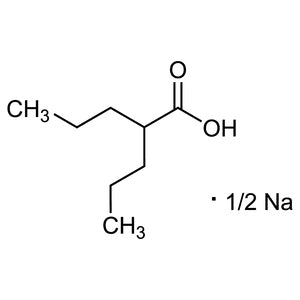
SodiumValproate TCI S0894
Regular price From Rp 2.016.000,00Regular price -
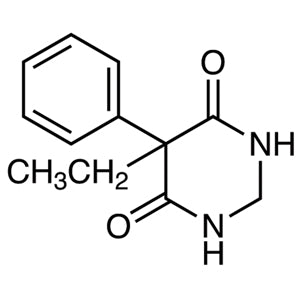
Primidone TCI P1906
Regular price From Rp 955.500,00Regular price -
DivalproexSodium TCI O0695
Regular price From Rp 2.174.550,00Regular price -
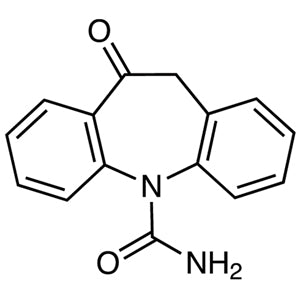
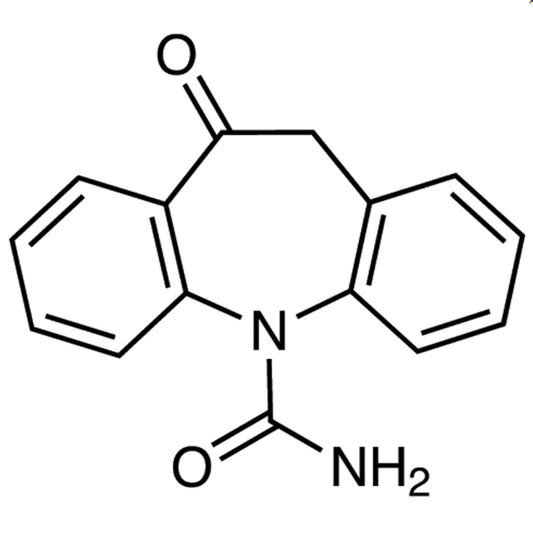
Oxcarbazepine TCI O0363
Regular price From Rp 2.545.200,00Regular price -
Lamotrigine TCI L0241
Regular price From Rp 2.306.850,00Regular price -
Felbamate TCI F1039
Regular price Rp 12.004.650,00Regular price -
EslicarbazepineAcetate TCI E1046
Regular price From Rp 3.021.900,00Regular price -
Ethosuximide TCI E0746
Regular price From Rp 1.961.400,00Regular price