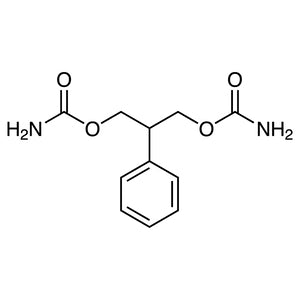
Primidone is a pyrimidinedione derivative known in pharmacology as an anticonvulsant drug. In the body, primidone is metabolized into phenobarbital and phenylethylmalonamide, and both metabolites contribute to its overall activity. This TCI product (catalog P1906, CAS 125-33-7) is classified among the pharmaceutical development and drug discovery research reagents, specifically in Drug Delivery Systems (DDS). In the laboratory, primidone serves as a model compound for formulation studies, drug delivery system research, solubility investigations and the development of analytical methods.
Primidone is a useful model compound because of its limited solubility in water. This makes it well suited for testing strategies that improve solubility and dissolution rate, such as solid dispersions, cyclodextrin inclusion complexes and nanoparticles. Its ring structure contains amide groups that can form hydrogen bonds with carrier polymers, which matters in controlled-release research where drug–polymer interactions shape release behaviour. Its metabolic link to phenobarbital also makes it a good subject for pharmacokinetic analysis and therapeutic drug monitoring studies, where researchers need to track a parent drug and its active metabolites together.
In Indonesia, primidone is relevant to pharmaceutics and dosage-form technology laboratories in pharmacy faculties. There, students and researchers use it to study solubility enhancement, dissolution testing and controlled-release formulation design. Pharmaceutical analysis laboratories can use it as a model analyte when developing and validating chromatographic or spectroscopic methods. Research groups that work on drug delivery systems will find it a practical, well-characterized compound for comparing different carrier systems and formulation approaches in their experimental work.
TCI brochures (PDF)
- Pharmaceutical Ingredients for Research and Experimental Use 2026-03-09 · p. 29
- Solubility enhancement studies: primidone's limited water solubility makes it a suitable model drug for evaluating solid dispersions, cyclodextrin inclusion complexes and other techniques intended to improve the solubility of poorly soluble compounds.
- Dissolution rate testing: researchers can compare dissolution profiles of pure primidone with those of modified formulations to measure how well each strategy speeds up drug release.
- Controlled-release formulation research: the amide groups in its ring structure can form hydrogen bonds with carrier polymers, which makes primidone useful for studying drug–polymer interactions in sustained-release systems.
- Nanoparticle drug delivery development: primidone can serve as a model payload when designing and characterizing nanoparticle carriers, allowing comparison of loading behaviour and release performance across different delivery platforms.
- Pharmacokinetic and analytical method development: because it is metabolized into phenobarbital and phenylethylmalonamide, primidone is a relevant analyte for developing methods that monitor a parent drug together with its active metabolites.
| Brand | TCI (catalog P1906) |
|---|---|
| CAS number | 125-33-7 |
| Molecular formula | — |
| Purity | — |
| Category | Chemistry > Pharmaceutical Development and Drug Discovery Research Reagents > Drug Delivery Systems (DDS) |
| Pack sizes | available in TCI standard pack sizes; please confirm current options with AMI Scientific |
| Physical form | solid; refer to the TCI certificate of analysis for detailed specifications |
| Storage | keep tightly closed in a cool, dry place, following the TCI label and Safety Data Sheet |
Keep primidone in its original, tightly sealed manufacturer's container, in a cool, dry and well-ventilated area away from direct sunlight, moisture and incompatible substances. Follow the storage conditions on the TCI label and Safety Data Sheet. Because primidone is a pharmacologically active compound, handle it only in a laboratory setting and wear appropriate personal protective equipment, including gloves, a lab coat and safety glasses. Weigh powders in a fume hood or ventilated balance enclosure so you don't inhale dust. Avoid skin and eye contact, and wash hands thoroughly after handling. Label all working solutions clearly, and dispose of waste according to institutional and local chemical waste regulations. This product is intended for research use only and is not for human or veterinary use.
—
Product Categories
- Biochemicals and ReagentsPharmaceutical Research Reagents (for Experimental Use)Neurotransmitter Agent Ingredients (for Research and Experimental Use)
- Biochemicals and Reagents
- Pharmaceutical Development and Drug Discovery ResearchPharmaceutical Research Reagents (for Experimental Use)Neurotransmitter Agent Ingredients (for Research and Experimental Use)
- Pharmaceutical Development and Drug Discovery ResearchDrug Delivery Systems (DDS)Prodrug Ingredients
Produk Terkait
-
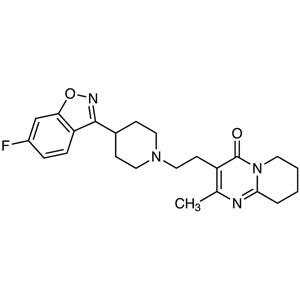
Risperidone TCI R0087
Regular price From Rp 2.147.250,00Regular priceRp 1.517.250,00Sale price From Rp 2.147.250,00 -
3-(3,4-Dihydroxyphenyl)-L-alanine TCI D0600
Regular price From Rp 769.650,00Regular priceRp 553.350,00Sale price From Rp 769.650,00 -
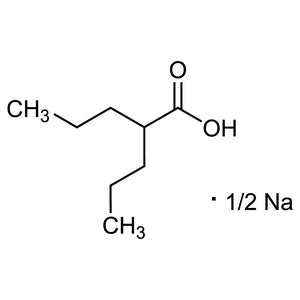
SodiumValproate TCI S0894
Regular price From Rp 2.068.500,00Regular priceRp 1.461.600,00Sale price From Rp 2.068.500,00 -
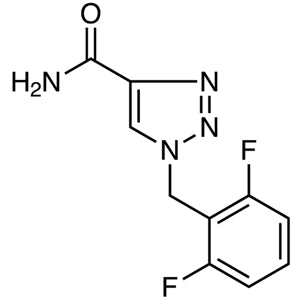
Rufinamide TCI R0143
Regular price From Rp 1.087.800,00Regular priceRp 775.950,00Sale price From Rp 1.087.800,00 -
DivalproexSodium TCI O0695
Regular price From Rp 2.227.050,00Regular priceRp 1.572.900,00Sale price From Rp 2.227.050,00 -
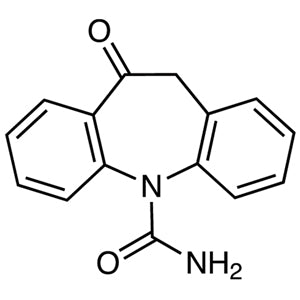
Oxcarbazepine TCI O0363
Regular price From Rp 2.597.700,00Regular priceRp 1.832.250,00Sale price From Rp 2.597.700,00 -
Lamotrigine TCI L0241
Regular price From Rp 2.359.350,00Regular priceRp 1.665.300,00Sale price From Rp 2.359.350,00 -
Felbamate TCI F1039
Regular price Rp 12.057.150,00Regular priceRp 8.447.250,00Sale price Rp 12.057.150,00