3-(3,4-Dihydroxyphenyl)-L-alanine, commonly known as L-DOPA, is a chemical compound that plays a crucial role in chemical biology and peptide chemistry. It is widely used in laboratory settings for its ability to participate in various biochemical reactions. This compound is particularly important in the study of neurotransmitter metabolism and has been extensively researched in the context of Parkinson’s disease. Due to its reactivity and structural complexity, L-DOPA is a valuable tool for researchers seeking to explore the mechanisms of biological processes and develop new therapeutic agents.
L-DOPA is preferred for its chemical versatility and biological activity. Its ability to interact with a wide range of reagents and catalysts makes it ideal for organic synthesis and drug development. The compound’s stability under certain conditions further enhances its usability in laboratory environments. Additionally, its role in the biosynthesis of dopamine makes it a key component in studies related to neurochemistry and pharmacology. These properties collectively make L-DOPA a highly sought-after material in both academic and industrial research.
In Indonesian laboratories, L-DOPA is frequently used in pharmacological, biochemical, and health sciences research. It is a staple in university research facilities and scientific institutions focused on biomedical innovation. Its relevance spans across multiple disciplines, making it an essential compound for researchers aiming to advance knowledge in chemical and biological sciences. The compound’s broad applications ensure its continued importance in the scientific community.
TCI brochures (PDF)
- Neurotransmission Research Reagents 2026-07-17 · p. 1
- Alkaloids 2025-10-10 · p. 4
- Phytochemicals 2025-12-17 · p. 3
- Amino Acids and Peptide Synthesis Reagents 2025-08-14 · p. 5
- Pharmaceutical Ingredients for Research and Experimental Use 2026-03-09 · p. 26
- Reagents for Biological Research 2025-03-11 · p. 57
Related TCI products
- TCI D0242 72-48-0 Alizarin
- TCI B3581 1871-22-3 Blue Tetrazolium [for Biochemical Research]
- TCI A5105 61-73-4 Methylene Blue [Ion association reagent for spectrophotometric analysis]
- TCI A5100 2437-29-8 Malachite Green, Oxalate [Sensitive spectrophotometric reagent for PO4]
- TCI A2412 28718-90-3 DAPI 2HCl [for Biochemical Research]
- TCI A0579 1718-34-9 Mordant Orange 1 Monosodium Salt
- Neurochemical research utilizes L-DOPA to study dopamine synthesis and its role in neurological disorders.
- Peptide chemistry applications benefit from L-DOPA's structural properties for synthesizing bioactive compounds.
- Pharmacological studies rely on L-DOPA to develop and test new therapeutic agents for Parkinson’s disease.
- Biochemical experiments use L-DOPA to investigate enzyme activity and metabolic pathways.
- Biomedical research incorporates L-DOPA to explore its potential in drug development and therapeutic applications.
| Brand | TCI |
|---|---|
| CAS number | 59-92-7 |
| Molecular formula | — |
| Purity | — |
| Category | Chemistry > Chemical Biology > Peptide Chemistry |
| Pack sizes | Available in standard laboratory quantities |
| Physical form | Powder |
| Storage | Store in a cool, dry place away from light |
L-DOPA should be stored in a cool, dry environment to maintain its chemical integrity. It is recommended to keep the compound in a tightly sealed container to prevent moisture absorption and contamination. Due to its reactivity, it should be handled in a well-ventilated area, ideally with appropriate personal protective equipment. Avoid exposure to strong oxidizing agents or incompatible substances. Proper labeling and storage conditions ensure the compound remains stable and safe for use in laboratory settings. Regular monitoring of storage conditions is advised to maintain optimal performance and safety.
—
Product Categories
- Biochemicals and ReagentsAlkaloidsPhenylethylamine Alkaloids
- Biochemicals and ReagentsAmino AcidsBiologically-modified Amino Acids
- Biochemicals and ReagentsLuminescent Compounds/Detection
- Biochemicals and ReagentsPharmaceutical Research Reagents (for Experimental Use)Neurotransmitter Agent Ingredients (for Research and Experimental Use)
- Biochemicals and Reagents
- Cell Biology
- Cell BiologyNutrition ResearchPhytochemicals
- MicrobiologyStaining for MicrobiologyGram Staining
- Pharmaceutical Development and Drug Discovery ResearchPeptide ChemistryUnnatural Amino Acid Derivatives
- Pharmaceutical Development and Drug Discovery ResearchPharmaceutical Research Reagents (for Experimental Use)Neurotransmitter Agent Ingredients (for Research and Experimental Use)
- Pharmaceutical Development and Drug Discovery ResearchDrug Delivery Systems (DDS)Prodrug Ingredients
Produk Terkait
-
Alizarin TCI D0242
Regular price Rp 1.167.600,00Regular priceRp 831.600,00Sale price Rp 1.167.600,00 -
BlueTetrazolium[forBiochemicalResearch] TCI B3581
Regular price From Rp 1.298.850,00Regular priceRp 924.000,00Sale price From Rp 1.298.850,00 -
MethyleneBlue[Ionassociationreagentforspectrophotometricanalysis] TCI A5105
Regular price Rp 1.008.000,00Regular priceRp 720.300,00Sale price Rp 1.008.000,00 -
MalachiteGreen,Oxalate[SensitivespectrophotometricreagentforPO4] TCI A5100
Regular price Rp 2.384.550,00Regular priceRp 1.683.150,00Sale price Rp 2.384.550,00 -
DAPI2HCl[forBiochemicalResearch] TCI A2412
Regular price Rp 1.643.250,00Regular priceRp 1.164.450,00Sale price Rp 1.643.250,00 -
MordantOrange1MonosodiumSalt TCI A0579
Regular price Rp 1.829.100,00Regular priceRp 1.278.900,00Sale price Rp 1.829.100,00 -
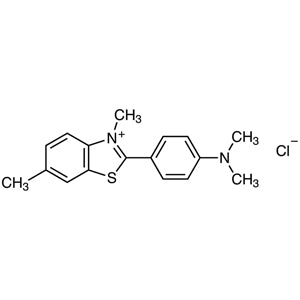
BasicYellow1 TCI T0558
Regular price Rp 2.094.750,00Regular priceRp 1.464.750,00Sale price Rp 2.094.750,00 -
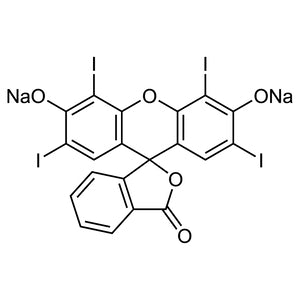
ErythrosineB TCI T0557
Regular price Rp 1.008.000,00Regular priceRp 704.550,00Sale price Rp 1.008.000,00