Resazurin Sodium Salt (TCI R0203), with CAS number 62758-13-8, is a chemical compound widely used as a stain and indicator in laboratory experiments. It plays a crucial role in various analytical procedures, particularly in detecting microbial activity and assessing reduction processes. Its ability to change color in response to reducing agents makes it an essential tool for researchers and scientists. This compound is commonly employed in environmental and microbiological studies to evaluate the presence of contaminants and the effectiveness of bioremediation processes. Its reliability and sensitivity make it a preferred choice for accurate and reproducible results in laboratory settings.
Resazurin Sodium Salt is known for its stability under specific conditions and its ability to undergo a visible color change, which simplifies the interpretation of experimental results. It is non-toxic at the concentrations typically used, ensuring a safe working environment. The compound is also resistant to moisture and light, enhancing its shelf life and usability. These properties make it an ideal choice for laboratories requiring precision and consistency in their analytical methods. Its versatility and ease of use further contribute to its popularity among researchers in various scientific fields.
In Indonesian laboratories, Resazurin Sodium Salt is extensively used in environmental, microbiological, and analytical chemistry research. It is a valuable resource for educational institutions and research centers due to its broad applications and ease of availability. Its role in both academic and industrial settings highlights its importance in advancing scientific knowledge and supporting practical experimentation.
TCI brochures (PDF)
- Reactive Oxygen Species (ROS) and Oxidative Stress Research Reagents 2026-04-23 · p. 1
- Reagents for Biological Research 2025-03-11 · p. 36
- Environmental testing for microbial activity and water quality assessment due to its color-changing properties when reacting with reducing agents.
- Microbiological research to detect and quantify microbial contamination in various samples such as soil, water, and food.
- Biochemical analysis to evaluate the presence of reducing substances in samples, aiding in the study of metabolic processes.
- Educational laboratories for teaching students about chemical indicators and their applications in experimental science.
- Analytical chemistry for the development of assays and methods to assess the effectiveness of bioremediation processes.
| Brand | TCI |
|---|---|
| CAS number | 62758-13-8 |
| Molecular formula | — |
| Purity | — |
| Category | Chemistry > Stains and Dyes (for Research and Experimental Use) > Stains and Dyes (Other) (for Research and Experimental Use) |
| Pack sizes | Available in various quantities as per supplier specifications |
| Physical form | Powder or crystalline solid |
| Storage | Store in a cool, dry place away from direct sunlight |
Resazurin Sodium Salt should be stored in a cool, dry environment to maintain its stability and effectiveness. It is recommended to keep the compound in airtight containers to prevent exposure to moisture and light, which can affect its properties. Laboratory personnel should handle the material with care, using appropriate personal protective equipment when necessary. The compound is non-toxic at typical usage levels, but standard safety protocols should be followed to ensure safe handling. Proper storage conditions help preserve the integrity of the material, ensuring reliable results in experimental applications.
—
Produk Terkait
-
DAPI2HCl[forBiochemicalResearch] TCI A2412
Regular price Rp 1.590.750,00Regular price -
BisbenzimideH33258[forBiochemicalResearch] TCI H1343
Regular price Rp 1.458.450,00Regular price -
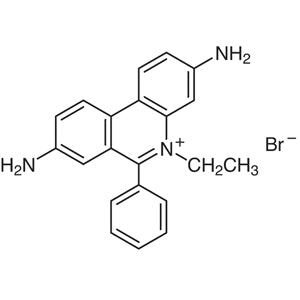
EthidiumBromide TCI E0370
Regular price From Rp 1.431.150,00Regular price
![28718-90-3 DAPI 2HCl [for Biochemical Research] - AMI Scientific](http://amiscientific.com/cdn/shop/files/TCI2510A2412.jpg?v=1767082817&width=533)
![23491-45-4 Bisbenzimide H 33258 [for Biochemical Research] - AMI Scientific](http://amiscientific.com/cdn/shop/files/TCI2510H1343.jpg?v=1767117845&width=533)