Rhaponticin is a chemical compound classified within the flavonoid family, known for its complex molecular structure and diverse biological activities. This compound plays a crucial role in laboratory research, particularly in the fields of chemical biology and glycoscience. It is widely used by scientists to investigate the pharmacological potential of natural compounds and to explore their therapeutic applications. Due to its stability under certain conditions, Rhaponticin is a reliable reagent for various biochemical experiments.
Rhaponticin is valued for its chemical stability and solubility in organic solvents such as ethyl acetate and ethanol. These properties make it a preferred choice for researchers working on synthetic chemistry and bioassays. Its ability to exhibit antioxidant, antitumor, and anti-inflammatory activities further enhances its utility in drug discovery and development. The compound's complex structure also allows for detailed structural analysis, making it an essential tool in analytical and medicinal chemistry.
In Indonesian laboratories, Rhaponticin is commonly used in pharmaceutical, biotechnology, and food chemistry research. It is often incorporated into studies aimed at developing natural compounds with therapeutic potential. Researchers in Indonesia rely on Rhaponticin to advance their work in drug development, bioactive compound screening, and molecular biology. Its presence in these research areas underscores its importance in the scientific community.
- Pharmaceutical research for the development of new drugs due to its pharmacological properties and potential therapeutic applications.
- Bioassay testing to evaluate antioxidant, antitumor, and anti-inflammatory activities of natural compounds.
- Synthesis of novel chemical compounds as a starting material for organic chemistry experiments and drug modification.
- Biotecnological studies to explore the biological effects of flavonoids in cellular and molecular processes.
- Food chemistry research to analyze the bioactive components of natural products and their health benefits.
| Brand | TCI |
|---|---|
| CAS number | 155-58-8 |
| Molecular formula | — |
| Purity | — |
| Category | Chemistry > Chemical Biology > Glycoscience |
| Pack sizes | Available in various quantities as per standard laboratory supply |
| Physical form | Solid or powder, depending on the specific product variant |
| Storage | Store in a cool, dry place away from light and moisture |
Rhaponticin should be stored in a cool, dry environment, away from direct sunlight and moisture to maintain its chemical stability. It is recommended to use airtight containers made of glass or polyethylene to prevent contamination and degradation. Due to its potential biological activity, it should be handled with appropriate personal protective equipment, such as gloves and safety goggles. Proper ventilation is essential when working with this compound to minimize exposure. Laboratory personnel should follow standard safety protocols when handling and storing Rhaponticin to ensure safe and effective use in research settings.
—
Product Categories
- GlycoscienceFunctional OligosaccharidesNatural Glycosides [Functional Oligosaccharides]
- Biochemicals and ReagentsCrude Medicine Ingredients for Research and Experimental Use
- Cell BiologyCancer ResearchAntitumor Agents for Research
- Pharmaceutical Development and Drug Discovery ResearchCrude Medicine Ingredients for Research and Experimental Use
Produk Terkait
-
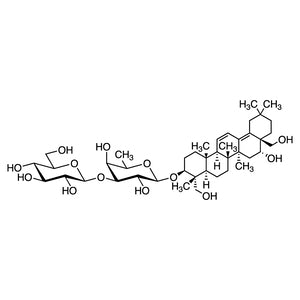
SaikosaponinB2 TCI A3610
Regular price Rp 6.438.600,00Regular priceRp 4.518.150,00Sale price Rp 6.438.600,00 -
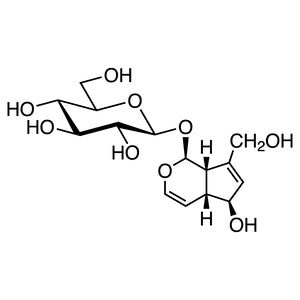
Aucubin TCI A3604
Regular price Rp 8.374.800,00Regular priceRp 5.871.600,00Sale price Rp 8.374.800,00 -
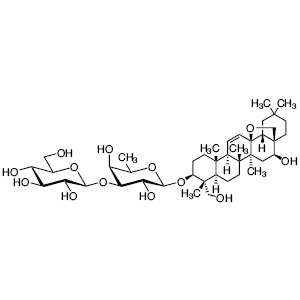
SaikosaponinA TCI A3408
Regular price From Rp 2.411.850,00Regular priceRp 1.702.050,00Sale price From Rp 2.411.850,00 -
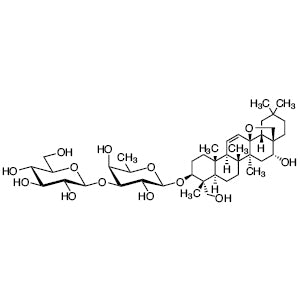
SaikosaponinD TCI A3405
Regular price From Rp 2.597.700,00Regular priceRp 1.832.250,00Sale price From Rp 2.597.700,00 -
SaikosaponinC TCI A3189
Regular price Rp 4.373.250,00Regular priceRp 3.073.350,00Sale price Rp 4.373.250,00 -
Naringin TCI N0073
Regular price Rp 1.670.550,00Regular priceRp 1.183.350,00Sale price Rp 1.670.550,00 -
Mangiferin TCI M2886
Regular price From Rp 2.702.700,00Regular priceRp 1.905.750,00Sale price From Rp 2.702.700,00 -
Gracillin TCI G0637
Regular price Rp 7.897.050,00Regular priceRp 5.537.700,00Sale price Rp 7.897.050,00