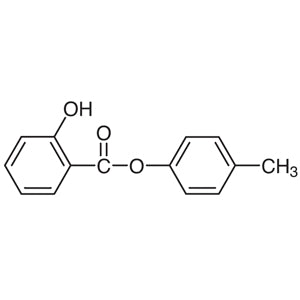
Benzyl Salicylate is a chemical compound widely used in laboratory settings, particularly in organic synthesis. It serves as a key building block in the development of aromatic compounds, pharmaceuticals, and cosmetic ingredients. Its molecular structure consists of a salicylate group attached to a benzyl chain, which contributes to its reactivity and versatility in chemical reactions. This compound is essential for researchers working on the synthesis of various organic molecules due to its ability to participate in multiple reaction pathways. Its stability and reactivity make it a valuable tool in both academic and industrial research environments.
Benzyl Salicylate is preferred for its chemical stability, reactivity, and solubility characteristics. It is non-polar, allowing it to dissolve in organic solvents such as ethyl acetate and chloroform. This solubility profile makes it ideal for reactions that require non-aqueous solvents. Additionally, its aromatic properties make it suitable for applications where a distinct scent is desired, such as in fragrance development and cosmetic formulations. The compound’s non-toxic nature and ease of handling further enhance its appeal in laboratory use, ensuring safety and practicality for researchers.
In Indonesian laboratories, Benzyl Salicylate is commonly used in the synthesis of aromatic compounds and pharmaceutical intermediates. It is also employed in the formulation of cosmetic products due to its pleasant aroma and chemical compatibility. Its availability and reliability make it a standard component in many research protocols, supporting both basic and applied scientific investigations. Its role in the development of new chemical products is crucial, especially in the fields of chemistry and pharmaceutical sciences.
Related TCI products
- Organic synthesis applications benefit from Benzyl Salicylate due to its reactivity and compatibility with various reaction conditions.
- Pharmaceutical research utilizes this compound as a building block for the synthesis of drug molecules and active pharmaceutical ingredients.
- Cosmetic formulation processes use Benzyl Salicylate for its aromatic properties and ability to blend with other organic compounds.
- Analytical chemistry applications rely on its stability and solubility for chromatographic and spectroscopic analyses.
- Industrial chemical production incorporates Benzyl Salicylate as a precursor in the manufacturing of aromatic derivatives and specialty chemicals.
| Brand | TCI |
|---|---|
| CAS number | 118-58-1 |
| Molecular formula | — |
| Purity | — |
| Category | Chemistry > Building Blocks > Non-Heterocyclic Building Blocks |
| Pack sizes | Available in various quantities as per standard laboratory supply |
| Physical form | Liquid |
| Storage | Store in a cool, dry place away from direct sunlight |
Benzyl Salicylate should be stored in a cool, dry place, away from direct sunlight and sources of heat. It is recommended to use airtight containers made of glass or high-density polyethylene to prevent contamination and evaporation. Due to its non-polar nature, it is important to ensure proper ventilation in the laboratory when handling this compound. Avoid exposure to incompatible materials such as strong oxidizing agents. Always follow standard safety protocols when working with chemical substances, including wearing appropriate personal protective equipment. Proper storage ensures the compound remains stable and safe for use in laboratory applications.
—
Produk Terkait
-
MethylAcetylsalicylate TCI A0114
Regular price From Rp 1.035.300,00Regular price -
3,3,5-TrimethylcyclohexylSalicylate(cis-andtrans-mixture) TCI T2278
Regular price From Rp 664.650,00Regular price -
TetrabutylammoniumSalicylate TCI T1276
Regular price Rp 3.658.200,00Regular price -
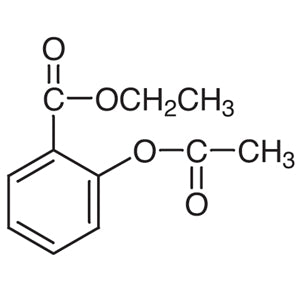
EthylAcetylsalicylate TCI A1592
Regular price Rp 2.359.350,00Regular price -
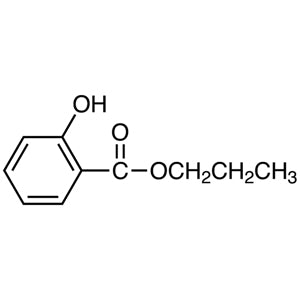
PropylSalicylate TCI S0441
Regular price Rp 2.094.750,00Regular price -
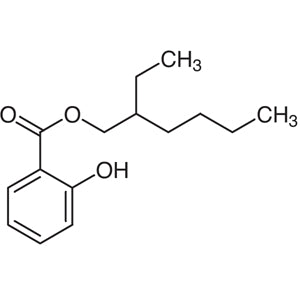
2-EthylhexylSalicylate TCI S0387
Regular price From Rp 903.000,00Regular price -
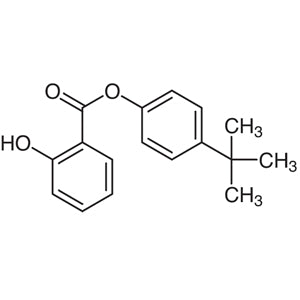
4-tert-ButylphenylSalicylate TCI S0274
Regular price From Rp 505.050,00Regular price -
p-TolylSalicylate TCI S0018
Regular price Rp 1.803.900,00Regular price