Stachydrine Hydrochloride is a chemical compound widely utilized in scientific experiments, particularly in the fields of biochemistry and pharmacology. It is a key alkaloid derivative that plays a crucial role in research involving natural compounds found in plants, which often exhibit specific biological activities. This compound is valued for its ability to participate in various chemical reactions, making it essential for both qualitative and quantitative analysis in laboratory settings. Its presence in research allows scientists to explore the pharmacological effects of alkaloids and their potential applications in drug development and biological studies.
The properties of Stachydrine Hydrochloride make it a preferred choice in laboratory environments. It is highly soluble in water, which facilitates its use in various analytical procedures. Its chemical stability under specific conditions ensures reliable results during experiments. Additionally, its reactivity allows for efficient chemical transformations, which are critical in synthetic processes. These characteristics contribute to its widespread use in both academic and industrial research, where precision and consistency are essential.
In Indonesian laboratories, Stachydrine Hydrochloride is commonly used in scientific research, including studies on the pharmacological effects of alkaloids, natural compound analysis, and pharmaceutical product development. It is also frequently applied in higher education settings to teach students about chemical reactions and analytical techniques. Its versatility and reliability make it a valuable resource for researchers and educators alike.
TCI brochures (PDF)
- Alkaloids 2025-10-10 · p. 8
- Quaternary Ammonium Salts 2025-11-10 · p. 10
- Phytochemicals 2025-12-17 · p. 4
- Pharmacological research involving alkaloid activity as it enables the study of biological effects in controlled environments.
- Natural compound analysis due to its solubility and reactivity, supporting accurate identification and quantification.
- Pharmaceutical development for the synthesis of new compounds and drug formulations.
- Educational purposes in teaching chemical reactions and analytical techniques to students.
- Biochemical studies to investigate the role of alkaloids in biological systems and their potential therapeutic applications.
| Brand | TCI |
|---|---|
| CAS number | 4136-37-2 |
| Molecular formula | — |
| Purity | — |
| Category | Life Science > Biochemicals and Reagents > Alkaloids |
| Pack sizes | Available in various quantities as per standard laboratory requirements |
| Physical form | White crystalline powder |
| Storage | Store in a cool, dry place away from direct sunlight and moisture |
Stachydrine Hydrochloride should be stored in a cool, dry environment to maintain its chemical stability and prevent degradation. It is recommended to use airtight containers to protect it from moisture and contaminants. Due to its reactivity, it should be handled with care, using appropriate personal protective equipment such as gloves and safety goggles. Avoid exposure to high temperatures and direct sunlight to ensure long-term storage integrity. In laboratory settings, it should be kept in a designated chemical storage area that is accessible only to authorized personnel. Proper labeling and documentation are essential to ensure safe handling and usage.
—
Product Categories
Produk Terkait
-
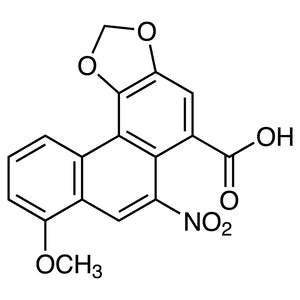
AristolochicAcid TCI A3599
Regular price Rp 7.209.300,00Regular price -
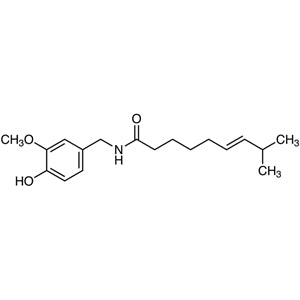
Capsaicin(Natural) TCI M1149
Regular price Rp 1.670.550,00Regular price -
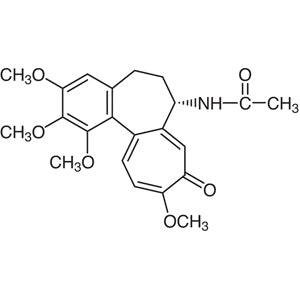
Colchicine(contains5%EthylAcetateatmaximum) TCI C0380
Regular price From Rp 1.246.350,00Regular price -
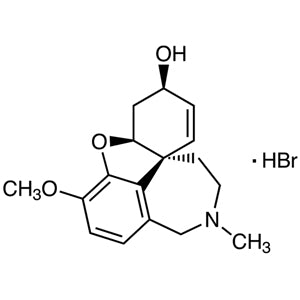
GalantamineHydrobromide TCI G0293
Regular price From Rp 3.392.550,00Regular price -
(-)-Synephrine TCI Y0012
Regular price From Rp 848.400,00Regular price -
Tetrahydropalmatine TCI T3650
Regular price From Rp 1.590.750,00Regular price -
Tabersonine TCI T3500
Regular price Rp 5.990.250,00Regular price -
Tetrandrine TCI T3321
Regular price From Rp 2.227.050,00Regular price