Sodium Hydrogen Carbonate (NaHCO₃), with CAS number 144-55-8, is a widely used chemical compound in laboratory settings across Indonesia. This versatile reagent plays a crucial role in various chemical reactions, particularly in hydrolysis and acid-base reactions. Its mild basic properties make it an essential component in pH regulation and buffer preparation. Sodium Hydrogen Carbonate is commonly found in analytical and synthetic processes, supporting both qualitative and quantitative experiments. Its chemical stability and availability in solid form contribute to its widespread use in Indonesian laboratories.
Sodium Hydrogen Carbonate is preferred for its non-toxic nature and low corrosiveness, making it a safe choice for laboratory use. It dissolves well in water, allowing for easy preparation of solutions in different concentrations. The compound’s ability to neutralize acids and maintain pH balance is highly valuable in both research and industrial applications. Its chemical inertness and compatibility with various reagents further enhance its utility in diverse experimental setups. These properties ensure that it remains a reliable and practical option for laboratory professionals.
In Indonesian laboratories, Sodium Hydrogen Carbonate is extensively used in analytical chemistry, pharmaceutical research, and food industry applications. It is commonly employed in buffer solutions, fermentation processes, and pH adjustment experiments. Its reliability and cost-effectiveness make it a staple in both academic and industrial settings. The compound’s versatility and safety profile ensure its continued importance in the chemical research landscape of Indonesia.
TCI brochures (PDF)
- Sulfonium Salt for Both Trifluoromethylation and Mesitylation 2025-01-07 · p. 1
- Metallic Salts 2025-11-06 · p. 9
- Sodium Hydrogen Carbonate is widely used in analytical chemistry for pH adjustment and buffer preparation due to its mild basic properties and solubility in water.
- It is essential in pharmaceutical research for the synthesis of various compounds and as a reagent in drug formulation processes.
- The compound is frequently applied in food industry laboratories for the production of baking powders and as a leavening agent in food processing.
- Sodium Hydrogen Carbonate is used in environmental testing to neutralize acidic samples and adjust pH levels for accurate analysis.
- It plays a key role in biochemical experiments, particularly in enzyme activity studies and fermentation processes where pH control is critical.
| Brand | TCI |
|---|---|
| CAS number | 144-55-8 |
| Molecular formula | — |
| Purity | — |
| Category | Chemistry > Catalysis and Inorganic Chemistry > Main-group Elements |
| Pack sizes | Available in various quantities as per standard laboratory requirements |
| Physical form | Solid powder |
| Storage | Store in a cool, dry place away from moisture and direct sunlight |
Sodium Hydrogen Carbonate should be stored in a cool, dry place to maintain its chemical stability and prevent moisture absorption. It is recommended to use airtight containers to protect it from humidity and potential contamination. While it is non-toxic and non-corrosive, it is advisable to handle it with gloves and appropriate personal protective equipment to avoid direct contact. The compound is stable under normal laboratory conditions and does not require special storage requirements beyond standard chemical handling protocols. Its inert nature ensures that it remains safe for use in a wide range of experimental settings.
References cited in the TCI brochure
- Shi‐Meng Wang. Palladium‐Catalyzed Arylation of Arylboronic Acids with Yagupolskii–Umemoto Reagents Chemistry – A European Journal, 2016. doi:10.1002/chem.201600991
Product Categories
Produk Terkait
-
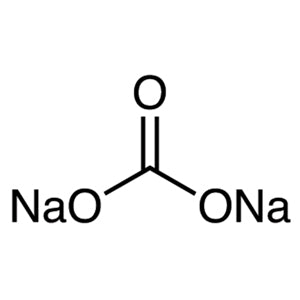
SodiumCarbonate TCI S0560
Regular price Rp 477.750,00Regular priceRp 333.900,00Sale price Rp 477.750,00 -
CesiumCarbonate TCI C2160
Regular price From Rp 1.378.650,00Regular priceRp 979.650,00Sale price From Rp 1.378.650,00 -
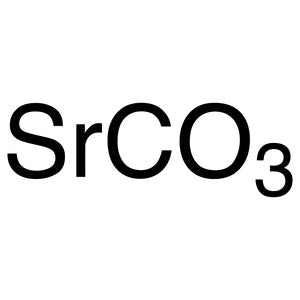
StrontiumCarbonate TCI T4100
Regular price From Rp 610.050,00Regular priceRp 426.300,00Sale price From Rp 610.050,00 -
Lead(II)Carbonate TCI L0451
Regular price From Rp 1.618.050,00Regular priceRp 1.146.600,00Sale price From Rp 1.618.050,00 -
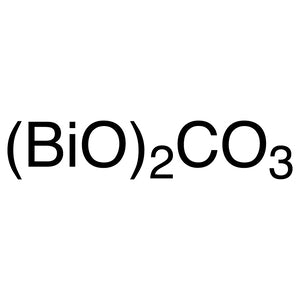
BismuthCarbonateOxide TCI B6578
Regular price From Rp 980.700,00Regular priceRp 701.400,00Sale price From Rp 980.700,00 -
BariumCarbonate TCI B6426
Regular price From Rp 505.050,00Regular priceRp 352.800,00Sale price From Rp 505.050,00 -
SodiumHydrogenSulfide TCI O0656
Regular price From Rp 1.273.650,00Regular priceRp 890.400,00Sale price From Rp 1.273.650,00 -
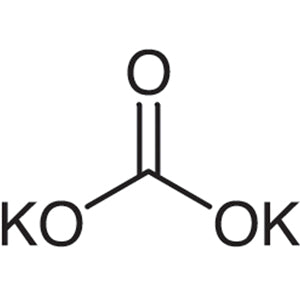
PotassiumCarbonate TCI P1748
Regular price Rp 505.050,00Regular priceRp 352.800,00Sale price Rp 505.050,00