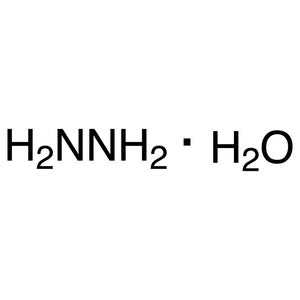
Sodium hydrosulfite, with the chemical formula Na₂S₂O₂, is a widely used chemical compound in laboratory settings. It serves as a reducing agent and a bleaching agent, making it essential for various synthetic and analytical processes. This reagent is particularly valuable in organic chemistry due to its ability to reduce functional groups, such as aromatic compounds, to simpler forms. Its versatility allows it to be applied in multiple areas of chemical research, including the synthesis of complex molecules and the treatment of industrial waste. Sodium hydrosulfite is also used in water treatment and surface cleaning processes, where its reactivity and solubility make it a practical choice.
One of the key properties that make sodium hydrosulfite a preferred choice is its chemical stability under certain conditions. It is non-toxic and environmentally friendly, which enhances its safety profile in laboratory environments. Additionally, it is relatively easy to handle and dissolve in water, making it suitable for a wide range of applications. Its reactivity with strong oxidizing agents must be carefully managed, but overall, its favorable characteristics contribute to its widespread use in both academic and industrial laboratories. The compound’s ability to function as a mild reducing agent without introducing harmful byproducts further supports its popularity in chemical research.
In Indonesian laboratories, sodium hydrosulfite is commonly used in chemical research, pharmaceutical development, and the processing of chemical materials. Its environmental safety and effectiveness make it a reliable choice for local applications. It is particularly relevant for laboratories that prioritize sustainable and efficient chemical practices. The compound’s role in reducing aromatic compounds and its utility in surface cleaning processes highlight its importance in the Indonesian scientific community.
TCI brochures (PDF)
- Reducing Agents 2026-04-06 · p. 8
- Organic synthesis for reducing aromatic compounds to simpler structures due to its mild reducing properties.
- Surface cleaning of metal surfaces to remove oxidation and contaminants through its chemical reactivity.
- Water treatment processes to neutralize pollutants and improve water quality due to its solubility and reactivity.
- Pharmaceutical research for the development of compounds requiring controlled reduction reactions.
- Industrial chemical processing for the purification and modification of chemical materials in manufacturing.
| Brand | TCI |
|---|---|
| CAS number | 7775-14-6 |
| Molecular formula | — |
| Purity | — |
| Category | Chemistry > Synthetic Reagents > Inorganic Salts |
| Pack sizes | Available in various quantities as per standard laboratory supply |
| Physical form | White crystalline solid |
| Storage | Store in a cool, dry place away from strong oxidizing agents |
Sodium hydrosulfite should be stored in a cool, dry environment to maintain its chemical stability. It is recommended to keep it in airtight containers to prevent moisture absorption, which can affect its performance. Due to its reactivity with strong oxidizing agents, it should be stored separately from such substances to avoid potential chemical interactions. In laboratory settings, it is important to handle the compound with care, using appropriate personal protective equipment when necessary. Its non-toxic nature makes it relatively safe to handle, but proper storage and handling protocols should still be followed to ensure laboratory safety and the integrity of the chemical.
—
Produk Terkait
-
N'-Isopropylidene-2-nitrobenzenesulfonohydrazide TCI I0777
Regular price From Rp 1.458.450,00Regular priceRp 1.035.300,00Sale price From Rp 1.458.450,00 -
Zinc(Powder) TCI Z0015
Regular price Rp 477.750,00Regular priceRp 333.900,00Sale price Rp 477.750,00 -
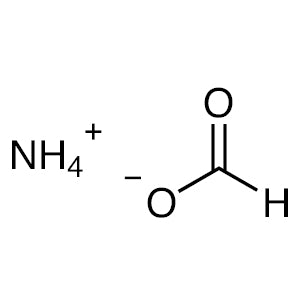
AmmoniumFormate TCI A3378
Regular price From Rp 823.200,00Regular priceRp 575.400,00Sale price From Rp 823.200,00 -
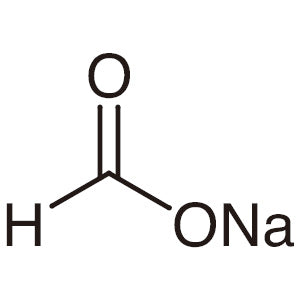
SodiumFormate TCI S0807
Regular price From Rp 505.050,00Regular priceRp 464.100,00Sale price From Rp 505.050,00 -
Lithium(Shot,containsmineraloil) TCI L0363
Regular price Rp 2.942.100,00Regular priceRp 2.056.950,00Sale price Rp 2.942.100,00 -
HydriodicAcid(57%) TCI H1221
Regular price From Rp 903.000,00Regular priceRp 1.612.800,00Sale price From Rp 903.000,00Sale -
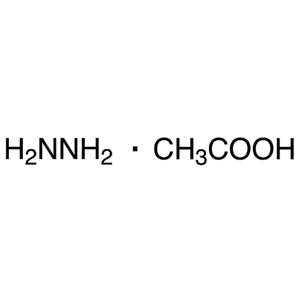
HydrazineAcetate TCI H1112
Regular price From Rp 2.411.850,00Regular priceRp 1.702.050,00Sale price From Rp 2.411.850,00 -
HydrazineMonohydrate TCI H0172
Regular price From Rp 505.050,00Regular priceRp 352.800,00Sale price From Rp 505.050,00