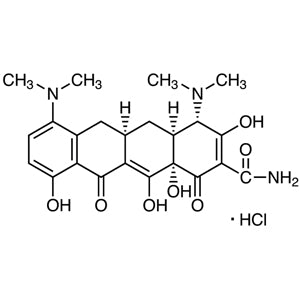
Sulfasalazine is a chemical compound widely used in pharmaceutical research and drug development. As a key reagent in laboratory settings, it plays a critical role in the study of drug delivery systems and pharmacological mechanisms. This compound is essential for researchers working on the development of therapeutic agents for inflammatory bowel diseases such as Crohn’s disease and ulcerative colitis. Its presence in laboratory workflows supports both fundamental and applied research, contributing to the advancement of medicinal chemistry and pharmacology.
Sulfasalazine is valued for its chemical stability and solubility in specific organic solvents, making it a reliable choice for various analytical and experimental procedures. Its complex molecular structure allows for in-depth chemical analysis and molecular interaction studies. Additionally, sulfasalazine is non-toxic and relatively safe when handled properly, which enhances its appeal for use in laboratory environments. These properties ensure that it remains a preferred material for researchers aiming to explore drug mechanisms and optimize therapeutic formulations.
In Indonesian laboratories, sulfasalazine is commonly used in clinical and basic research applications. It supports investigations into drug efficacy, pharmacokinetics, and therapeutic potential. Many research institutions and universities in Indonesia incorporate this compound into their studies to develop new treatments and improve existing therapeutic strategies. Its versatility and reliability make it a valuable asset in the pharmaceutical research landscape of Indonesia.
Advantages (TCI brochure)
- Induces ferroptosis
- Cystine-glutamate antiporter inhibitor
- Inhibitor of NF-κB activation
TCI brochures (PDF)
- Ferroptosis Research Reagents 2025-01-20 · p. 1
- Immunosuppressants and Immunostimulants for Research and Experimental Use 2024-09-26 · p. 2
- Anti-Rheumatoid Arthritis Ingredients 2025-01-29 · p. 1
- Immune System, Inflammation, Allergy Research Reagents 2025-05-26 · p. 1
- Cancer Research Reagents 2025-04-01 · p. 11
- Immunology Research Reagents 2026-06-03 · p. 7
- Drug Delivery Systems Research: Sulfasalazine is used to study how drugs are transported and released within the body, aiding in the development of targeted therapies.
- Pharmacological Mechanism Studies: This compound helps researchers understand how drugs interact with biological systems and exert their therapeutic effects.
- Inflammatory Disease Research: Sulfasalazine is widely applied in studies focused on conditions like Crohn’s disease and ulcerative colitis due to its known anti-inflammatory properties.
- Chemical Analysis and Molecular Interactions: Its complex structure makes it suitable for advanced analytical techniques and interaction studies in pharmaceutical research.
- Clinical Research Applications: Sulfasalazine is utilized in applied research to evaluate drug efficacy and safety in preclinical and early clinical trials.
| Brand | TCI |
|---|---|
| CAS number | 599-79-1 |
| Molecular formula | — |
| Purity | — |
| Category | Chemistry > Pharmaceutical Development and Drug Discovery Research Reagents > Drug Delivery Systems (DDS) |
| Pack sizes | Available in standard laboratory quantities as per supplier guidelines |
| Physical form | Solid powder |
| Storage | Store in a cool, dry place away from direct sunlight |
Sulfasalazine should be stored in a cool, dry environment to maintain its chemical stability and prevent degradation. It is recommended to keep the compound in a tightly sealed container to avoid moisture exposure. Suitable storage conditions include a controlled room temperature with low humidity levels. General laboratory precautions include wearing appropriate personal protective equipment when handling the material. Proper labeling of containers is essential to ensure safe handling and prevent accidental exposure. The compound is non-toxic but should still be treated with care in accordance with standard laboratory safety protocols.
—
Product Categories
- Biochemicals and ReagentsAntibioticsAntibiotics (Chemical Structure Class)
- Biochemicals and ReagentsPharmaceutical Research Reagents (for Experimental Use)Antimicrobial Ingredients (for Research and Experimental Use)
- Biochemicals and ReagentsPharmaceutical Research Reagents (for Experimental Use)Antitumor Research Reagents (for Experimental Use)
- Biochemicals and ReagentsPharmaceutical Research Reagents (for Experimental Use)Immunosuppressant Ingredients (for Research and Experimental Use)
- Biochemicals and ReagentsPharmaceutical Research Reagents (for Experimental Use)Anti-rheumatoid Arthritis Ingredients (for Research and Experimental Use)
- Biochemicals and Reagents
- Cell BiologyFerroptosisFerroptosis Activators
- Cell BiologyImmune System, Inflammation, Allergy ResearchNF-κB Activation Inhibitors
- Cell BiologyImmune System, Inflammation, Allergy ResearchLeukotriene B4 (LTB4) Synthsis Inhibitors
- MicrobiologyAntibioticsAntibiotics (Chemical Structure Class)
- Pharmaceutical Development and Drug Discovery ResearchPharmaceutical Research Reagents (for Experimental Use)Antimicrobial Ingredients (for Research and Experimental Use)
- Pharmaceutical Development and Drug Discovery ResearchPharmaceutical Research Reagents (for Experimental Use)Antitumor Research Reagents (for Experimental Use)
- Pharmaceutical Development and Drug Discovery ResearchPharmaceutical Research Reagents (for Experimental Use)Immunosuppressant Ingredients (for Research and Experimental Use)
- Pharmaceutical Development and Drug Discovery ResearchPharmaceutical Research Reagents (for Experimental Use)Anti-rheumatoid Arthritis Ingredients (for Research and Experimental Use)
- Pharmaceutical Development and Drug Discovery ResearchAntibioticsAntibiotics (Chemical Structure Class)
- Pharmaceutical Development and Drug Discovery ResearchDrug Delivery Systems (DDS)Prodrug Ingredients
Produk Terkait
-
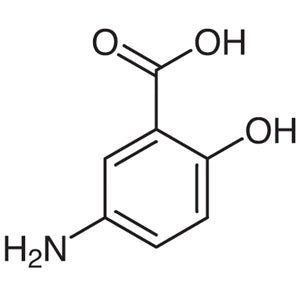
5-AminosalicylicAcid TCI A0317
Regular price From Rp 1.008.000,00Regular priceRp 720.300,00Sale price From Rp 1.008.000,00 -
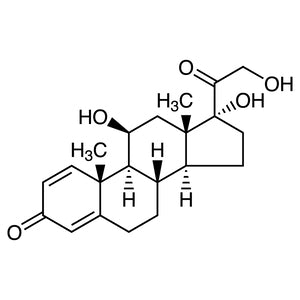
Prednisolone TCI P0637
Regular price From Rp 1.431.150,00Regular priceRp 1.016.400,00Sale price From Rp 1.431.150,00 -
CyclosporinA TCI C2408
Regular price From Rp 1.351.350,00Regular priceRp 960.750,00Sale price From Rp 1.351.350,00 -
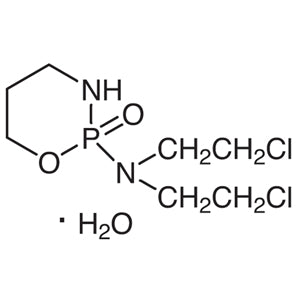
CyclophosphamideMonohydrate TCI C2236
Regular price From Rp 1.246.350,00Regular priceRp 2.628.150,00Sale price From Rp 1.246.350,00Sale -
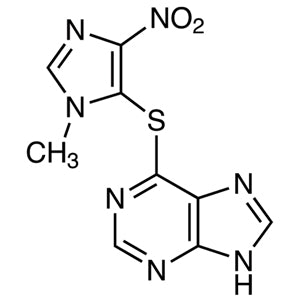
Azathioprine TCI A2069
Regular price Rp 4.716.600,00Regular priceRp 3.313.800,00Sale price Rp 4.716.600,00 -
MinocyclineHydrochloride TCI M2288
Regular price From Rp 3.870.300,00Regular priceRp 2.721.600,00Sale price From Rp 3.870.300,00 -
4-AminosalicylicAcid TCI A0420
Regular price From Rp 822.150,00Regular priceRp 590.100,00Sale price From Rp 822.150,00 -
Sodium4-AminosalicylateDihydrate TCI A0423
Regular price From Rp 928.200,00Regular priceRp 664.650,00Sale price From Rp 928.200,00