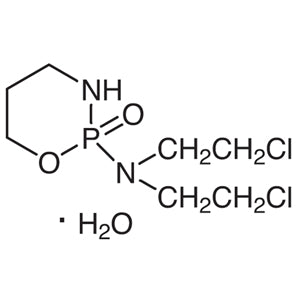
Azathioprine is a chemical compound widely used in chemical and pharmacological experiments. It is a key component in the synthesis of complex molecules and plays an essential role in laboratory research. As a heterocyclic building block, it provides a versatile foundation for the development of bioactive compounds, including immunosuppressant drugs. Its unique molecular structure, consisting of a pyrimidine ring and a sulfonamide group, makes it highly relevant in the study of pharmaceutical compounds. Azathioprine is a fundamental material for researchers aiming to explore new synthetic pathways and biological activities.
Azathioprine is valued for its chemical stability under controlled conditions, although it is sensitive to UV light and oxidation. Its heterocyclic nature allows it to react readily with various chemical reagents, enabling the formation of new compounds through substitution or ring-opening reactions. These properties make it an ideal choice for organic synthesis and drug development. Its reactivity and structural versatility support its use in a wide range of chemical and biological applications, making it a preferred material in modern laboratory settings.
In Indonesian laboratories, Azathioprine is extensively used in pharmaceutical, organic chemistry, and biochemical research. It is a critical reagent in the development of new drugs, particularly in immunology and autoimmune disease studies. Its availability and reliability make it a valuable tool for academic and industrial research, contributing to the advancement of medicinal science and therapeutic innovation.
Advantages (TCI brochure)
- Prodrug of 6-mercaptopurine (6-MP), inhibits synthesis of purine ribonucleotides and DNA/RNA
TCI brochures (PDF)
- Immunosuppressants and Immunostimulants for Research and Experimental Use 2024-09-26 · p. 1
- Pharmacologically Active Metabolites 2025-07-22 · p. 2
- Biofilm Research Reagents 2024-06-21 · p. 1
- Anti-Rheumatoid Arthritis Ingredients 2025-01-29 · p. 1
- Immune System, Inflammation, Allergy Research Reagents 2025-05-26 · p. 2
- Immunology Research Reagents 2026-06-03 · p. 7
- Pharmaceutical research utilizes Azathioprine for the synthesis of immunosuppressant drugs due to its structural compatibility with bioactive compounds.
- Organic chemistry experiments benefit from its reactivity, allowing the creation of new molecular structures through substitution and ring-opening reactions.
- Biochemical studies employ Azathioprine to investigate its interactions with biological systems and its potential therapeutic applications.
- Drug development programs use it as a building block for the design of novel compounds with improved pharmacological profiles.
- Immunology research leverages its properties to study its effects on immune responses and its role in autoimmune disease treatment.
| Brand | TCI |
|---|---|
| CAS number | 446-86-6 |
| Molecular formula | — |
| Purity | — |
| Category | Chemistry > Building Blocks > Heterocyclic Building Blocks |
| Pack sizes | Available in various quantities as per standard laboratory requirements |
| Physical form | Solid powder |
| Storage | Store in a cool, dry place away from light and moisture |
Azathioprine should be stored in a cool, dry environment, away from direct sunlight and sources of moisture to maintain its chemical stability. It is recommended to use airtight containers to prevent exposure to air and potential oxidation. Laboratory personnel should handle the compound with care, using appropriate personal protective equipment such as gloves and safety goggles. Due to its sensitivity to UV light, it is advisable to keep it in a dark storage cabinet or under a light-protective cover. Proper labeling and storage conditions are essential to ensure the integrity and safety of the compound during handling and experimentation.
—
Product Categories
- Biochemicals and ReagentsNucleosides, Nucleotides, OligonucleotidesNucleobases and their Analogs
- Biochemicals and ReagentsPharmaceutical Research Reagents (for Experimental Use)Immunosuppressant Ingredients (for Research and Experimental Use)
- Biochemicals and ReagentsPharmaceutical Research Reagents (for Experimental Use)Anti-rheumatoid Arthritis Ingredients (for Research and Experimental Use)
- Biochemicals and Reagents
- Cell BiologyImmune System, Inflammation, Allergy ResearchMetabolic Antagonists
- MicrobiologyBiofilm ResearchBiofilm Inhibitors and Suppressors, etc.
- Pharmaceutical Development and Drug Discovery ResearchPharmaceutical Research Reagents (for Experimental Use)Immunosuppressant Ingredients (for Research and Experimental Use)
- Pharmaceutical Development and Drug Discovery ResearchPharmaceutical Research Reagents (for Experimental Use)Anti-rheumatoid Arthritis Ingredients (for Research and Experimental Use)
- Pharmaceutical Development and Drug Discovery ResearchDrug Delivery Systems (DDS)Prodrug Ingredients
Produk Terkait
-
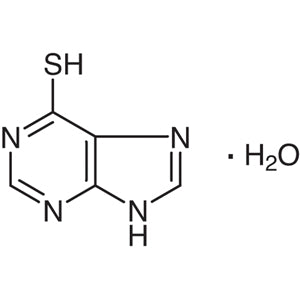
6-MercaptopurineMonohydrate TCI M0063
Regular price From Rp 530.250,00Regular priceRp 386.400,00Sale price From Rp 530.250,00 -
Leflunomide TCI L0250
Regular price From Rp 2.093.700,00Regular priceRp 1.479.450,00Sale price From Rp 2.093.700,00 -
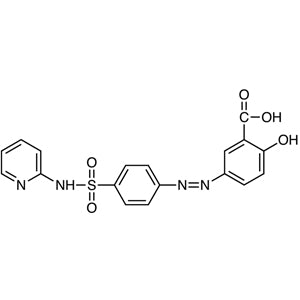
Sulfasalazine TCI S0580
Regular price Rp 3.312.750,00Regular priceRp 2.332.050,00Sale price Rp 3.312.750,00 -
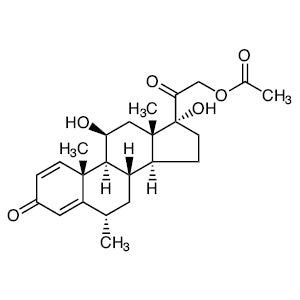
MethylprednisoloneAcetate TCI M2635
Regular price From Rp 2.147.250,00Regular priceRp 1.517.250,00Sale price From Rp 2.147.250,00 -
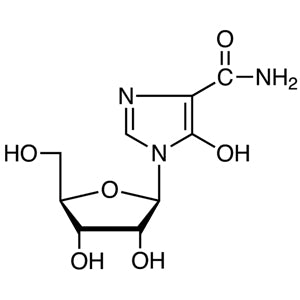
Mizoribine TCI M2399
Regular price From Rp 2.597.700,00Regular priceRp 1.832.250,00Sale price From Rp 2.597.700,00 -
MycophenolateMofetil TCI M2387
Regular price From Rp 505.050,00Regular priceRp 368.550,00Sale price From Rp 505.050,00 -
CyclophosphamideMonohydrate TCI C2236
Regular price From Rp 1.246.350,00Regular priceRp 2.628.150,00Sale price From Rp 1.246.350,00Sale -
MethotrexateHydrate TCI M1664
Regular price From Rp 3.207.750,00Regular priceRp 2.258.550,00Sale price From Rp 3.207.750,00