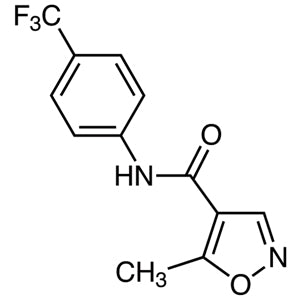
Leflunomide is a chemical compound widely used in laboratory research focused on autoimmune diseases and animal disease modeling. As a key biochemical reagent, it plays a vital role in preparing disease models that closely mimic human conditions. Its immunosuppressive properties make it an essential tool for studying disease mechanisms and developing new therapeutic approaches. In laboratory settings, leflunomide is employed to induce or accelerate the progression of specific diseases, such as lupus or Crohn’s disease, enabling researchers to evaluate the efficacy of potential treatments.
One of the main reasons leflunomide is preferred in laboratories is its chemical stability and solubility in organic solvents like ethyl acetate and ethanol. These properties allow for easy integration into various chemical reactions and biological experiments. Additionally, its thermal stability ensures that it remains effective under controlled storage conditions, making it a reliable choice for long-term use. The compound’s consistent performance and predictable behavior contribute to its popularity among researchers working in biochemistry and disease modeling.
In Indonesian laboratories, leflunomide is commonly used in research related to autoimmune disorders and experimental disease models. It is particularly valuable for studies involving animal models, where it helps simulate human pathologies. Its application supports both academic and industrial research, aiding in the development of new drugs and therapies. The compound’s versatility and reliability make it a standard reagent in many laboratory workflows across the country.
Advantages (TCI brochure)
- Inhibits pyrimidine nucleotide synthesis and interferes with tyrosine phosphorylation
- Reduces proliferation of T and B immune cells active in MS
TCI brochures (PDF)
- Immunosuppressants and Immunostimulants for Research and Experimental Use 2024-09-26 · p. 1
- Pharmacologically Active Metabolites 2025-07-22 · p. 2
- Anti-Rheumatoid Arthritis Ingredients 2025-01-29 · p. 1
- Reagents for Preparing Animal Disease Models 2024-09-13 · p. 2
- Immune System, Inflammation, Allergy Research Reagents 2025-05-26 · p. 2
- Immunology Research Reagents 2026-06-03 · p. 7
- Autoimmune Disease Research: Leflunomide is used to study the progression of autoimmune disorders by inducing disease-like symptoms in animal models, allowing for the evaluation of therapeutic interventions.
- Inflammatory Bowel Disease Modeling: It is employed to create models of conditions such as Crohn’s disease, enabling researchers to investigate the underlying mechanisms and test potential treatments.
- Immunology Studies: Its immunosuppressive properties make it a valuable tool for studying immune system interactions and the effects of immunosuppressive therapies.
- Toxicology Testing: Leflunomide is used to assess the toxicity of compounds in controlled environments, helping to determine safe dosage levels and potential side effects.
- Drug Development: It supports the development of new drugs by providing a reliable model for testing efficacy and safety in preclinical stages.
From the TCI brochure
- Multiple sclerosis (MS) context
| Brand | TCI |
|---|---|
| CAS number | 75706-12-6 |
| Molecular formula | — |
| Purity | — |
| Category | Life Science > Biochemicals and Reagents > Animal Disease Models Preparation |
| Pack sizes | As per supplier specifications |
| Physical form | Solid (as per standard chemical properties) |
| Storage | Store in a cool, dry place away from light |
Leflunomide should be stored in a cool, dry place, away from direct sunlight and sources of heat to maintain its chemical stability. It is recommended to use airtight containers to prevent exposure to moisture and air, which could affect its integrity. In laboratory settings, it is important to handle the compound with appropriate personal protective equipment, such as gloves and safety goggles, to ensure safety. Due to its immunosuppressive nature, proper disposal procedures should be followed to prevent contamination. Regular monitoring of storage conditions is advised to ensure the compound remains effective for research purposes.
—
Product Categories
- Biochemicals and ReagentsAnimal Disease Models PreparationReagents for Inflammation and Immunity Disorder Models
- Biochemicals and ReagentsPharmaceutical Research Reagents (for Experimental Use)Immunosuppressant Ingredients (for Research and Experimental Use)
- Biochemicals and ReagentsPharmaceutical Research Reagents (for Experimental Use)Anti-rheumatoid Arthritis Ingredients (for Research and Experimental Use)
- Biochemicals and Reagents
- Cell BiologyImmune System, Inflammation, Allergy ResearchMetabolic Antagonists
- Pharmaceutical Development and Drug Discovery ResearchPharmaceutical Research Reagents (for Experimental Use)Immunosuppressant Ingredients (for Research and Experimental Use)
- Pharmaceutical Development and Drug Discovery ResearchPharmaceutical Research Reagents (for Experimental Use)Anti-rheumatoid Arthritis Ingredients (for Research and Experimental Use)
Produk Terkait
-
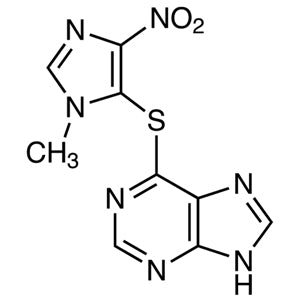
Azathioprine TCI A2069
Regular price Rp 4.716.600,00Regular priceRp 3.313.800,00Sale price Rp 4.716.600,00 -
MycophenolateMofetil TCI M2387
Regular price From Rp 505.050,00Regular priceRp 368.550,00Sale price From Rp 505.050,00 -
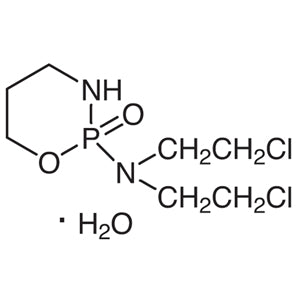
CyclophosphamideMonohydrate TCI C2236
Regular price From Rp 1.246.350,00Regular priceRp 2.628.150,00Sale price From Rp 1.246.350,00Sale -
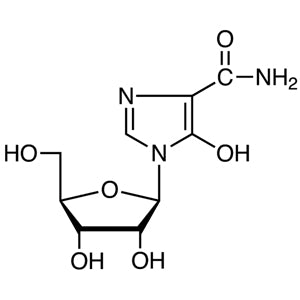
Mizoribine TCI M2399
Regular price From Rp 2.597.700,00Regular priceRp 1.832.250,00Sale price From Rp 2.597.700,00 -
MethotrexateHydrate TCI M1664
Regular price From Rp 3.207.750,00Regular priceRp 2.258.550,00Sale price From Rp 3.207.750,00 -
Indomethacin TCI I0655
Regular price From Rp 1.590.750,00Regular priceRp 1.127.700,00Sale price From Rp 1.590.750,00 -
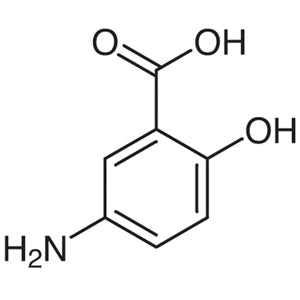
5-AminosalicylicAcid TCI A0317
Regular price From Rp 1.008.000,00Regular priceRp 720.300,00Sale price From Rp 1.008.000,00 -
AcetylsalicylicAcid TCI A2262
Regular price From Rp 530.250,00Regular priceRp 386.400,00Sale price From Rp 530.250,00