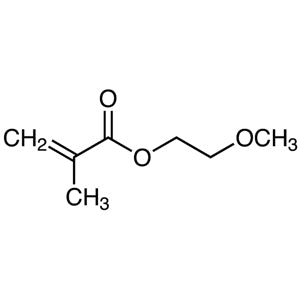
N-Succinimidyl Methacrylate (N-SMA) is a chemical compound widely used in biochemical and organic chemistry applications. It functions as a linker agent, enabling the attachment of organic molecules to polymer substrates such as poly(methyl methacrylate) (PMMA). In the laboratory, N-SMA plays a crucial role in surface modification and functionalization, making it an essential tool for researchers in biomedical and materials science. Its versatility allows it to be applied in various experimental setups where chemical reactivity and molecular binding are required.
The compound is known for its stable chemical structure and high reactivity, which contribute to its effectiveness in facilitating efficient reactions with a wide range of molecules, including proteins, nucleic acids, and other organic compounds. These properties make it a preferred choice for applications requiring specific binding and controlled reactivity. Its stability under various experimental conditions ensures reliable results and minimizes unwanted side reactions.
In Indonesian laboratories, N-SMA is commonly used in biomedical research, organic chemistry, and material development. It is frequently found in labs focused on surface modification, biomaterials, and biochemical applications. Its availability supports researchers in conducting experiments that require high reactivity and stability, making it an indispensable reagent in many scientific studies.
Advantages (TCI brochure)
- Reacts with amino groups at NHS ester moieties to form covalent bonds
- Can be used to create biological tissue adhesive hydrogels
- Applicable to enzyme immobilization on polyacrylamide gel beads
TCI brochures (PDF)
- Phthalimidyl (Meth)Acrylate Monomers for Post-polymerization Modifications 2026-02-05 · p. 1
- Monomer Containing p-Nitrophenylcarbonate Groups for Introducing Functional Moieties into Polymers and Monomers 2024-07-05 · p. 1
- Acrylic Monomers with NHS Ester Moieties for Immobilization to Primary Amino Groups on Tissue Surfaces 2024-02-05 · p. 1
- Sulfoxide Monomer for Modification of Material Surfaces with Reduced Nonspecific Adsorption of Proteins and Cells 2024-05-31 · p. 1
- Cross-linkers 2026-04-14 · p. 2
- Bioconjugation Reagents 2026-07-07 · p. 8
Related TCI products
- TCI S0814 38862-24-7 N-Succinimidyl Acrylate
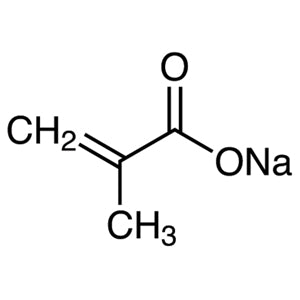
- TCI S0987 5536-61-8 Sodium Methacrylate (stabilized with MEHQ)
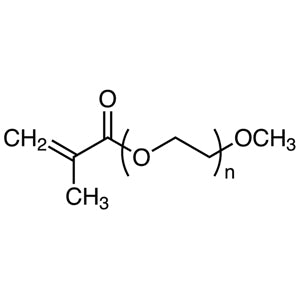
- TCI P2699 26915-72-0 Polyethylene Glycol Monomethyl Ether Methacrylate (n=approx 9) (stabilized with MEHQ)
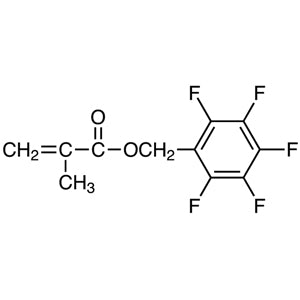
- TCI P2546 114859-23-3 Pentafluorobenzyl Methacrylate (stabilized with BHT)
- TCI P2289 13642-97-2 Pentafluorophenyl Methacrylate (stabilized with MEHQ)
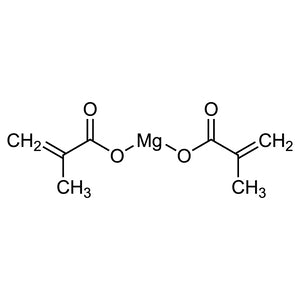
- TCI M3951 7095-16-1 Magnesium Methacrylate
- Surface modification of polymers for biomedical applications due to its ability to covalently link organic molecules to polymer substrates.
- Functionalization of biomaterials to enhance their biocompatibility and surface properties in tissue engineering and drug delivery systems.
- Development of bioconjugates for diagnostic and therapeutic purposes by enabling specific molecular interactions with proteins and nucleic acids.
- Creation of advanced materials with tailored chemical properties through crosslinking and polymer modification techniques.
- Support for analytical chemistry experiments involving molecular binding and reactivity studies in both academic and industrial research settings.
From the TCI brochure
- Biological tissue adhesive hydrogels
- Enzyme immobilization on polyacrylamide gel beads
| Brand | TCI |
|---|---|
| CAS number | 38862-25-8 |
| Molecular formula | — |
| Purity | — |
| Category | Chemistry > Chemical Biology > Linkers and Crosslinkers |
| Pack sizes | Available in various quantities as per supplier specifications |
| Physical form | Liquid |
| Storage | Store in a cool, dry place away from light and incompatible materials |
N-Succinimidyl Methacrylate should be stored in a cool, dry environment, away from direct light and sources of heat. It is recommended to keep the compound in a sealed container to prevent exposure to moisture and air. Due to its reactive nature, it should be handled in a well-ventilated area, ideally with a fume hood, to minimize inhalation risks. Suitable containers for storage include glass or high-density polyethylene bottles that are resistant to chemical degradation. General laboratory precautions include wearing appropriate personal protective equipment such as gloves, goggles, and a lab coat to ensure safety during handling and use.
—
Product Categories
Produk Terkait
-
N-SuccinimidylAcrylate TCI S0814
Regular price From Rp 3.207.750,00Regular priceRp 2.258.550,00Sale price From Rp 3.207.750,00 -
SodiumMethacrylate(stabilizedwithMEHQ) TCI S0987
Regular price From Rp 1.644.300,00Regular priceRp 1.149.750,00Sale price From Rp 1.644.300,00 -
PolyethyleneGlycolMonomethylEtherMethacrylate(n=approx9)(stabilizedwithMEHQ) TCI P2699
Regular price From Rp 1.140.300,00Regular priceRp 796.950,00Sale price From Rp 1.140.300,00 -
PentafluorobenzylMethacrylate(stabilizedwithBHT) TCI P2546
Regular price From Rp 4.399.500,00Regular priceRp 3.076.500,00Sale price From Rp 4.399.500,00 -
PentafluorophenylMethacrylate(stabilizedwithMEHQ) TCI P2289
Regular price From Rp 2.227.050,00Regular priceRp 1.557.150,00Sale price From Rp 2.227.050,00 -
MagnesiumMethacrylate TCI M3951
Regular price From Rp 823.200,00Regular priceRp 575.400,00Sale price From Rp 823.200,00 -
2-MorpholinoethylMethacrylate(stabilizedwithMEHQ) TCI M2901
Regular price From Rp 1.192.800,00Regular priceRp 849.450,00Sale price From Rp 1.192.800,00 -
2-MethoxyethylMethacrylate(stabilizedwithMEHQ) TCI M2282
Regular price From Rp 955.500,00Regular priceRp 667.800,00Sale price From Rp 955.500,00