N-Succinimidyl Acrylate (NSA) is a chemical compound widely used in biochemical and molecular chemistry applications. It functions as an active ester reagent, enabling the covalent attachment of molecules such as proteins or peptides through specific chemical reactions. In the laboratory, NSA plays a crucial role in the synthesis of protein-antigen conjugates and the modification of biomaterial surfaces. Its reactivity makes it an essential tool for researchers in biomedical and pharmacological fields.
NSA is known for its high reactivity towards amino groups, which allows it to selectively bind to molecules containing free amino groups, such as proteins, peptides, and polymers. This reactivity ensures efficient and rapid conjugation reactions, making it ideal for applications requiring precision and speed. Its chemical stability under controlled conditions further enhances its reliability in laboratory settings.
In Indonesian laboratories, NSA is extensively used in biomedical research, organic chemistry, and biomaterial processing. It is commonly found in university laboratories, research institutions, and pharmaceutical industries. Due to its effectiveness and versatility, NSA remains a key reagent in various scientific investigations and product development processes.
Advantages (TCI brochure)
- Reacts with amino groups at NHS ester moieties to form covalent bonds
- Can be used to create biological tissue adhesive hydrogels
- Applicable to enzyme immobilization on polyacrylamide gel beads
TCI brochures (PDF)
- Phthalimidyl (Meth)Acrylate Monomers for Post-polymerization Modifications 2026-02-05 · p. 1
- Monomer Containing p-Nitrophenylcarbonate Groups for Introducing Functional Moieties into Polymers and Monomers 2024-07-05 · p. 1
- Acrylic Monomers with NHS Ester Moieties for Immobilization to Primary Amino Groups on Tissue Surfaces 2024-02-05 · p. 1
- Sulfoxide Monomer for Modification of Material Surfaces with Reduced Nonspecific Adsorption of Proteins and Cells 2024-05-31 · p. 1
- Cross-linkers 2026-04-14 · p. 2
- Bioconjugation Reagents 2026-07-07 · p. 8
Related TCI products
- TCI S0812 38862-25-8 N-Succinimidyl Methacrylate
- TCI S0844 39028-27-8 N-Succinimidyl Iodoacetate
- TCI A0145 96-33-3 Methyl Acrylate (stabilized with MEHQ)
- TCI A0144 103-11-7 2-Ethylhexyl Acrylate Monomer (stabilized with MEHQ)
- TCI A0142 141-32-2 Butyl Acrylate (stabilized with MEHQ)
- TCI U0117 31098-20-1 3-Sulfopropyl Acrylate Potassium Salt
- Protein-antigen conjugate synthesis due to its ability to selectively bind to amino groups on proteins.
- Surface modification of biomaterials for improved biocompatibility and functionalization.
- Peptide chemistry applications for cross-linking and immobilization of bioactive molecules.
- Bioconjugation in drug development to enhance targeting and delivery efficiency.
- Molecular labeling for tracking and analysis in biochemical assays and diagnostic tests.
From the TCI brochure
- Biological tissue adhesive hydrogels
- Enzyme immobilization on polyacrylamide gel beads
- Gastric wound healing with injectable self-healing adhesive pH-responsive hydrogels in a swine gastric wound model
| Brand | TCI |
|---|---|
| CAS number | 38862-24-7 |
| Molecular formula | — |
| Purity | — |
| Category | Chemistry > Chemical Biology > Peptide Chemistry |
| Pack sizes | Available in various quantities as per standard laboratory supply |
| Physical form | Liquid |
| Storage | Store at 2–8°C in a tightly sealed container away from light |
NSA should be stored at 2–8°C in a tightly sealed container to prevent degradation and maintain its reactivity. It is recommended to use amber-colored glass bottles to minimize exposure to light, which can affect its stability. Due to its reactive nature, it should be handled in a well-ventilated area with appropriate personal protective equipment. Avoid contact with moisture and keep it away from incompatible substances. Proper labeling and storage conditions are essential to ensure safety and effectiveness in laboratory use.
—
Product Categories
- Chemical BiologyPeptide ChemistryPeptide Coupling Agents
- Chemical BiologyLinkers and CrosslinkersHeterobifunctional Cross-Linkers
- Chemical BiologyBioconjugationHeterobifunctional Cross-Linkers
- Pharmaceutical Development and Drug Discovery Research ReagentsPeptide ChemistryPeptide Coupling Agents
- Pharmaceutical Development and Drug Discovery Research ReagentsLinkers and CrosslinkersHeterobifunctional Cross-Linkers
- Biochemicals and ReagentsBioconjugationHeterobifunctional Cross-Linkers
- Pharmaceutical Development and Drug Discovery ResearchBioconjugationHeterobifunctional Cross-Linkers
- Pharmaceutical Development and Drug Discovery ResearchPeptide ChemistryPeptide Coupling Agents
- Pharmaceutical Development and Drug Discovery ResearchLinkers and CrosslinkersHeterobifunctional Cross-Linkers
Produk Terkait
-
N-SuccinimidylMethacrylate TCI S0812
Regular price From Rp 2.650.200,00Regular priceRp 1.869.000,00Sale price From Rp 2.650.200,00 -
N-SuccinimidylIodoacetate TCI S0844
Regular price Rp 2.623.950,00Regular priceRp 1.850.100,00Sale price Rp 2.623.950,00 -
MethylAcrylate(stabilizedwithMEHQ) TCI A0145
Regular price From Rp 477.750,00Regular priceRp 333.900,00Sale price From Rp 477.750,00 -
2-EthylhexylAcrylateMonomer(stabilizedwithMEHQ) TCI A0144
Regular price From Rp 505.050,00Regular priceRp 352.800,00Sale price From Rp 505.050,00 -
ButylAcrylate(stabilizedwithMEHQ) TCI A0142
Regular price From Rp 505.050,00Regular priceRp 352.800,00Sale price From Rp 505.050,00 -
3-SulfopropylAcrylatePotassiumSalt TCI U0117
Regular price Rp 1.565.550,00Regular priceRp 1.094.100,00Sale price Rp 1.565.550,00 -
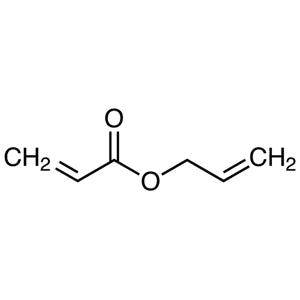
AllylAcrylate(stabilizedwithMEHQ) TCI A1740
Regular price Rp 7.209.300,00Regular priceRp 5.041.050,00Sale price Rp 7.209.300,00 -
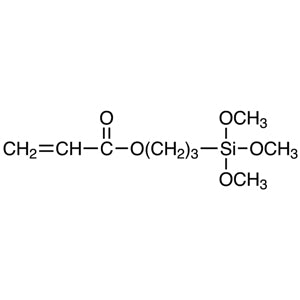
3-(Trimethoxysilyl)propylAcrylate(stabilizedwithBHT) TCI A1597
Regular price Rp 5.274.150,00Regular priceRp 3.687.600,00Sale price Rp 5.274.150,00