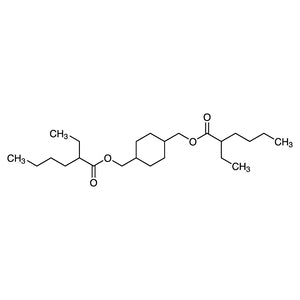
Sodium 2-Ethylhexanoate is a chemical compound widely used as a foundational material in various chemical reactions. It serves as a key reagent or auxiliary in laboratory processes, particularly in the synthesis of organic compounds. This compound is commonly employed in esterification and substitution reactions, where it plays a crucial role in the formation of ester-based molecules. Its presence in laboratory settings ensures the successful execution of complex chemical transformations.
The compound is known for its chemical stability and resistance to reactions with other chemicals under normal conditions. This stability makes it a preferred choice for use in high-quality chemical synthesis. Its consistent purity and reliable performance contribute to its popularity among researchers. Additionally, Sodium 2-Ethylhexanoate exhibits good solubility in organic solvents, which simplifies processing and isolation steps in laboratory procedures.
In Indonesian laboratories, Sodium 2-Ethylhexanoate is frequently used in chemical research, especially in the synthesis of organic compounds and the development of new chemical materials. It is commonly found in research and industrial laboratories that require high-quality chemical reagents. Its versatility and reliability make it an essential component in various chemical applications within the scientific community.
Related TCI products
- TCI E1609 7425-14-1 2-Ethylhexyl 2-Ethylhexanoate
- TCI E0404 94-04-2 Vinyl 2-Ethylhexanoate (stabilized with MEHQ)
- TCI E0121 3164-85-0 Potassium 2-Ethylhexanoate
- TCI C1133 53148-32-6 1,4-Cyclohexanedimethanol Bis(2-ethylhexanoate) (cis- and trans- mixture)
- TCI E0336 760-67-8 2-Ethylhexanoyl Chloride
- TCI E0120 149-57-5 2-Ethylhexanoic Acid
- Ester Synthesis for New Chemical Material Development: Sodium 2-Ethylhexanoate is ideal for esterification reactions, enabling the creation of new chemical materials with specific functional properties.
- Organic Compound Synthesis: Its role as a reagent in substitution and esterification reactions makes it suitable for the synthesis of a wide range of organic compounds.
- Industrial Chemical Research: The compound is used in research settings where high-purity reagents are essential for achieving consistent and reproducible results.
- Laboratory Reagent for Esterification Reactions: Its stability and solubility properties make it a preferred choice for experiments requiring esterification processes.
- Chemical Process Optimization: It supports the development of optimized chemical processes by providing a reliable and consistent reagent for laboratory testing.
| Brand | TCI |
|---|---|
| CAS number | 19766-89-3 |
| Molecular formula | — |
| Purity | — |
| Category | Chemistry > Building Blocks > Non-Heterocyclic Building Blocks |
| Pack sizes | Available in various quantities as per standard laboratory requirements |
| Physical form | Solid (may vary depending on supplier packaging) |
| Storage | Store in a cool, dry place away from direct sunlight and moisture |
Sodium 2-Ethylhexanoate should be stored in a cool, dry environment to maintain its chemical stability and prevent degradation. It is recommended to use airtight containers to protect it from moisture and contaminants. The compound should be kept away from direct sunlight and sources of heat to ensure its integrity. In laboratory settings, it is important to handle the material with appropriate personal protective equipment, such as gloves and safety goggles, to avoid skin contact or inhalation. Proper labeling of storage containers is essential for safe handling and to prevent accidental exposure. Regular monitoring of storage conditions ensures that the compound remains in optimal condition for use in chemical experiments.
—
Produk Terkait
-
2-Ethylhexyl2-Ethylhexanoate TCI E1609
Regular price Rp 3.551.100,00Regular priceRp 2.499.000,00Sale price Rp 3.551.100,00 -
Vinyl2-Ethylhexanoate(stabilizedwithMEHQ) TCI E0404
Regular price Rp 1.220.100,00Regular priceRp 868.350,00Sale price Rp 1.220.100,00 -
Potassium2-Ethylhexanoate TCI E0121
Regular price From Rp 1.220.100,00Regular priceRp 868.350,00Sale price From Rp 1.220.100,00 -
1,4-CyclohexanedimethanolBis(2-ethylhexanoate)(cis-andtrans-mixture) TCI C1133
Regular price Rp 2.862.300,00Regular priceRp 2.017.050,00Sale price Rp 2.862.300,00 -
2-EthylhexanoylChloride TCI E0336
Regular price From Rp 928.200,00Regular priceRp 664.650,00Sale price From Rp 928.200,00 -
2-EthylhexanoicAcid TCI E0120
Regular price From Rp 530.250,00Regular priceRp 386.400,00Sale price From Rp 530.250,00 -
Triethylhexanoin TCI T4161
Regular price From Rp 795.900,00Regular priceRp 572.250,00Sale price From Rp 795.900,00 -
3,5,5-TrimethylhexanoylChloride TCI T0951
Regular price Rp 848.400,00Regular priceRp 609.000,00Sale price Rp 848.400,00