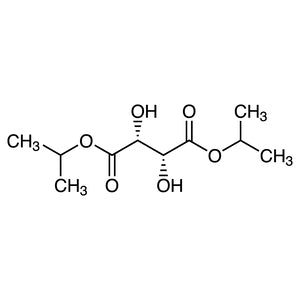
Calcium meso-tartrate trihydrate (TCI T0004) is a chemical compound widely used in laboratory settings for its versatility and chemical stability. This compound is a key building block in organic synthesis, particularly in reactions that require a stable and easily manipulable substrate. Its unique molecular structure allows it to participate in various chemical processes, making it a valuable reagent for both research and industrial applications. As a trihydrate, it is soluble in water, which enhances its utility in aqueous-based reactions and simplifies its handling in laboratory environments.
The compound’s physical and chemical properties make it a preferred choice for many laboratory applications. Its ability to form complexes with metal ions is particularly useful in reactions involving transition metals, where it can act as a chelating agent or a stabilizing agent. Additionally, its non-toxic nature and relative safety in standard laboratory conditions make it a reliable option for routine use. The compound’s solubility and stability contribute to its effectiveness in a wide range of chemical processes, supporting both basic and applied research.
In Indonesian laboratories, calcium meso-tartrate trihydrate is commonly used in chemical research and development. It is frequently employed in academic and industrial settings where precise chemical reactions are required. Its availability in the local market ensures that researchers and institutions can access this compound efficiently. Its role in organic synthesis and metal ion reactions makes it an essential material for many experimental protocols in Indonesian laboratories.
- Organic synthesis reactions requiring stable and easily manipulable substrates benefit from calcium meso-tartrate trihydrate due to its chemical stability and solubility.
- Metal ion complexation studies utilize this compound because of its ability to form complexes with various metal ions, enhancing reactivity in coordination chemistry.
- Analytical chemistry applications often incorporate this compound as a reagent in titration and spectroscopic analysis due to its predictable chemical behavior.
- Teaching laboratories use it for demonstrating basic chemical reactions and properties, providing students with hands-on experience in chemical synthesis.
- Pharmaceutical research employs it in the development of new compounds, where its role as a building block is crucial in the synthesis of active pharmaceutical ingredients.
| Brand | TCI |
|---|---|
| CAS number | 815-79-2 |
| Molecular formula | — |
| Purity | — |
| Category | Chemistry > Building Blocks > Non-Heterocyclic Building Blocks |
| Pack sizes | Available in various quantities as per supplier specifications |
| Physical form | Solid, crystalline powder |
| Storage | Store in a cool, dry place away from moisture and direct sunlight |
Calcium meso-tartrate trihydrate should be stored in a cool, dry environment to maintain its chemical integrity. It is recommended to keep the compound in a sealed container to prevent exposure to moisture, which could affect its solubility and stability. Due to its water solubility, it should be stored in airtight containers to avoid contamination and degradation. Laboratory personnel should handle the compound with care, using appropriate personal protective equipment when necessary. The compound is non-toxic and generally safe under normal laboratory conditions, but standard safety protocols should still be followed to ensure safe handling and storage.
—
Produk Terkait
-
HydrazineL-(+)-Tartrate TCI H0175
Regular price Rp 2.359.350,00Regular priceRp 1.649.550,00Sale price Rp 2.359.350,00 -
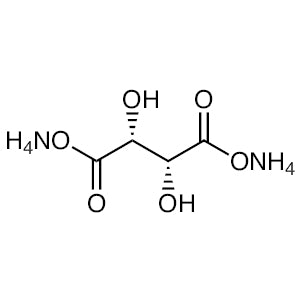
DiammoniumL-(+)-Tartrate TCI D5797
Regular price From Rp 664.650,00Regular priceRp 464.100,00Sale price From Rp 664.650,00 -
DibenzylL-Tartrate TCI T1671
Regular price From Rp 1.298.850,00Regular priceRp 908.250,00Sale price From Rp 1.298.850,00 -
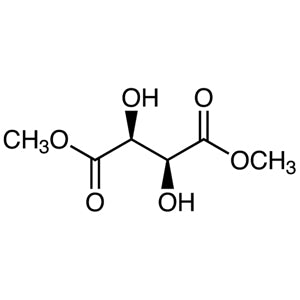
DimethylD-(-)-Tartrate TCI T1659
Regular price From Rp 584.850,00Regular priceRp 408.450,00Sale price From Rp 584.850,00 -
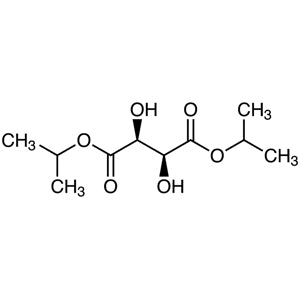
DiisopropylD-(-)-Tartrate TCI T1387
Regular price From Rp 1.881.600,00Regular priceRp 1.315.650,00Sale price From Rp 1.881.600,00 -
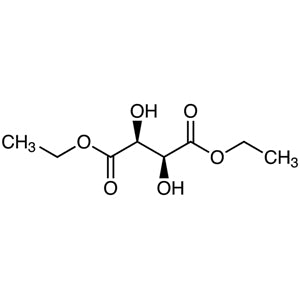
DiethylD-(-)-Tartrate TCI T1195
Regular price From Rp 1.115.100,00Regular priceRp 779.100,00Sale price From Rp 1.115.100,00 -
AlimemazineTartrate TCI A2813
Regular price From Rp 1.776.600,00Regular priceRp 1.257.900,00Sale price From Rp 1.776.600,00 -
DiisopropylL-(+)-Tartrate TCI T0621
Regular price From Rp 1.326.150,00Regular priceRp 927.150,00Sale price From Rp 1.326.150,00