Terephthalaldehydic Acid (TCI T0011), with CAS number 619-66-9, is a chemical compound widely used in laboratory settings as a building block for various synthetic reactions. It is a versatile reagent that plays a crucial role in organic chemistry by participating in reactions that lead to the formation of complex molecular structures. Its unique molecular structure, featuring two aldehyde groups connected by an aromatic ring, makes it a valuable tool for chemists seeking to synthesize a wide range of compounds. This compound is particularly useful in the development of heterocyclic compounds, which are essential in pharmaceutical and material science research.
The reactivity and functional versatility of Terephthalaldehydic Acid make it a preferred choice for researchers. Its ability to form bonds with various functional groups allows for the synthesis of diverse chemical structures, enhancing its applicability across multiple scientific disciplines. The compound's stability under certain conditions also contributes to its reliability in laboratory environments, ensuring consistent results during experiments. These properties make it a reliable and effective reagent for both academic and industrial research.
In Indonesian laboratories, Terephthalaldehydic Acid is extensively used in organic chemistry, pharmaceutical development, and material science. Its application spans across various research fields, making it a sought-after compound among scientists and researchers. The compound's versatility and effectiveness have made it a staple in both academic and industrial laboratories in Indonesia, supporting a wide range of chemical synthesis and research activities.
Related TCI products
- Organic synthesis where complex heterocyclic structures are required due to its ability to form stable bonds with various functional groups.
- Pharmaceutical research for the development of new drugs as it is a key intermediate in the synthesis of bioactive compounds.
- Material science applications for the creation of advanced polymers and composite materials due to its reactivity and structural versatility.
- Analytical chemistry for the preparation of standard solutions and calibration of analytical instruments.
- Environmental chemistry for the study of chemical degradation processes and the behavior of organic compounds in different environments.
| Brand | TCI |
|---|---|
| CAS number | 619-66-9 |
| Molecular formula | — |
| Purity | — |
| Category | Chemistry > Building Blocks > Non-Heterocyclic Building Blocks |
| Pack sizes | Available in various quantities as per standard laboratory supply |
| Physical form | Solid |
| Storage | Store in a cool, dry place away from moisture and direct sunlight |
Terephthalaldehydic Acid should be stored in a cool, dry environment to maintain its chemical integrity and prevent degradation. It is recommended to keep the compound in a sealed container to minimize exposure to moisture and air, which can affect its stability. The container should be made of a material that is chemically inert to avoid any unwanted reactions. In laboratory settings, it is important to handle the compound with care, using appropriate personal protective equipment such as gloves and safety goggles. Proper ventilation should be maintained when handling the compound to ensure a safe working environment. Regular monitoring of storage conditions is essential to maintain the quality and effectiveness of the compound for research purposes.
—
Produk Terkait
-
TerephthalaldehydeMono(diethylAcetal) TCI T1401
Regular price Rp 3.578.400,00Regular priceRp 2.502.150,00Sale price Rp 3.578.400,00 -
Terephthalaldehyde TCI T0010
Regular price From Rp 980.700,00Regular priceRp 685.650,00Sale price From Rp 980.700,00 -
PhthalaldehydicAcid TCI P0281
Regular price From Rp 1.431.150,00Regular priceRp 1.016.400,00Sale price From Rp 1.431.150,00 -
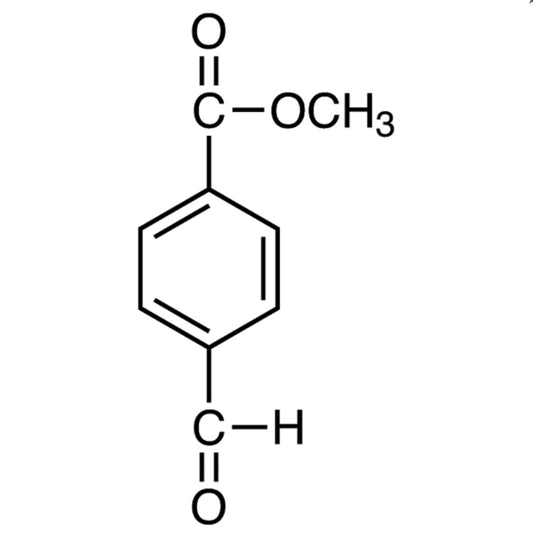
MethylTerephthalaldehydate TCI T0012
Regular price From Rp 1.881.600,00Regular priceRp 1.331.400,00Sale price From Rp 1.881.600,00 -
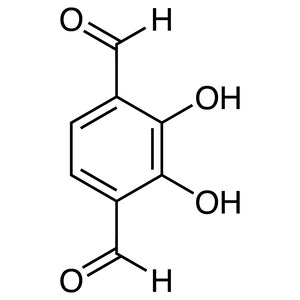
2,3-Dihydroxyterephthalaldehyde TCI D6103
Regular price From Rp 2.174.550,00Regular priceRp 1.520.400,00Sale price From Rp 2.174.550,00 -
2,3-Dimethoxyterephthalaldehyde TCI D6102
Regular price From Rp 3.232.950,00Regular priceRp 2.260.650,00Sale price From Rp 3.232.950,00 -
2,5-Divinylterephthalaldehyde TCI D6078
Regular price From Rp 2.359.350,00Regular priceRp 1.649.550,00Sale price From Rp 2.359.350,00 -
2,5-Dimethoxyterephthalaldehyde TCI D6056
Regular price From Rp 1.644.300,00Regular priceRp 1.149.750,00Sale price From Rp 1.644.300,00