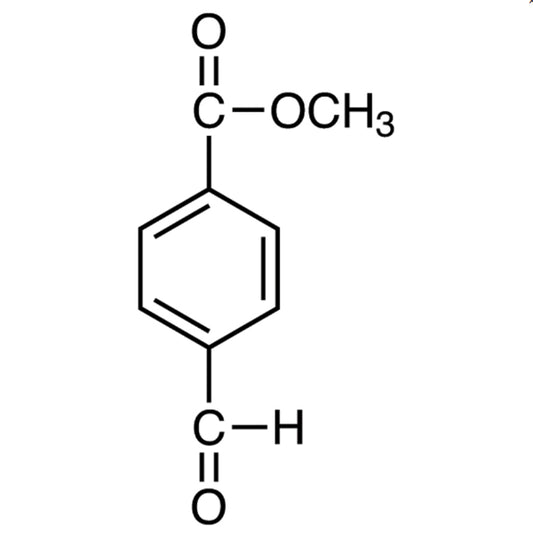
Phthalaldehydic Acid (119-67-5) is a chemical compound widely used as a foundational building block in various chemical reactions. It is a versatile reagent known for its unique molecular structure, which consists of two aldehyde groups connected by a 1,2-phenylene ring. This structure makes it a valuable component in organic synthesis, particularly in the formation of heterocyclic compounds and complex molecules. In laboratory settings, it serves as a key intermediate in the development of new chemical entities, offering researchers a reliable and adaptable tool for synthetic pathways.
The chemical properties of Phthalaldehydic Acid make it a preferred choice for laboratory applications. It exhibits stability under certain conditions but remains highly reactive towards nucleophilic and electrophilic reactions. This reactivity allows it to participate in a wide range of synthetic transformations, making it suitable for the synthesis of aromatic and heterocyclic compounds. Its ability to form stable intermediates and react with various functional groups enhances its utility in both academic and industrial research environments.
In Indonesian laboratories, Phthalaldehydic Acid is commonly used in organic chemistry research, especially in pharmaceutical and materials science fields. It is a fundamental reagent in the development of new drugs, industrial chemicals, and organic compounds. Its availability and chemical versatility make it an essential component in the research toolkit of Indonesian academic and research institutions.
- Organic synthesis of heterocyclic compounds due to its reactive aldehyde groups and aromatic ring structure.
- Pharmaceutical research for the development of new drug molecules through functional group modifications.
- Industrial chemical production as a building block for the synthesis of aromatic and complex organic compounds.
- Material science applications in the creation of advanced polymers and functional materials through controlled reactions.
- Academic teaching and research in chemistry laboratories for demonstrating key synthetic methodologies and reaction mechanisms.
| Brand | TCI |
|---|---|
| CAS number | 119-67-5 |
| Molecular formula | — |
| Purity | — |
| Category | Chemistry > Building Blocks > Non-Heterocyclic Building Blocks |
| Pack sizes | Available in various quantities as per supplier specifications |
| Physical form | Solid |
| Storage | Store in a cool, dry place away from light and moisture |
Phthalaldehydic Acid should be stored in a cool, dry place, away from light and moisture to maintain its chemical stability. It is recommended to use airtight containers made of glass or polyethylene to prevent exposure to air and moisture. Due to its reactivity, it should be handled in a well-ventilated laboratory environment, ideally with a fume hood. Avoid contact with incompatible materials such as strong bases or oxidizing agents. Always wear appropriate personal protective equipment, including gloves, goggles, and a lab coat, when handling this compound. Proper storage and handling practices ensure the safety of laboratory personnel and the integrity of the chemical.
—
Produk Terkait
-
IsophthalaldehydicAcid TCI I0851
Regular price From Rp 1.326.150,00Regular price -
TerephthalaldehydicAcid TCI T0011
Regular price From Rp 1.326.150,00Regular price -
TerephthalaldehydeMono(diethylAcetal) TCI T1401
Regular price Rp 3.578.400,00Regular price -
2-Bromoisophthalaldehyde TCI B3568
Regular price From Rp 1.220.100,00Regular price -
MethylTerephthalaldehydate TCI T0012
Regular price From Rp 1.829.100,00Regular price -
Terephthalaldehyde TCI T0010
Regular price From Rp 980.700,00Regular price -
Isophthalaldehyde TCI I0153
Regular price From Rp 1.298.850,00Regular price -
2-Hydroxyisophthalaldehyde TCI H1018
Regular price From Rp 6.863.850,00Regular price