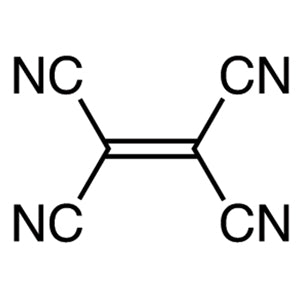
Tetracyanoethylene (TCNE) from TCI is ethylene in which all four hydrogen atoms have been replaced by cyano groups. This makes it one of the most strongly electron-withdrawing organic molecules known. In the laboratory, TCNE is classified as a synthetic reagent for oxidation because it readily accepts electrons and can oxidize a wide range of electron-rich substrates. It is also well known as a highly reactive dienophile and as an acceptor in the formation of charge-transfer complexes, which gives it a useful place in both preparative and physical organic chemistry.
Chemists choose TCNE because its four cyano groups leave the central double bond severely electron-deficient. As a result, the molecule reacts rapidly in Diels–Alder reactions and other cycloadditions. It readily forms coloured charge-transfer complexes with aromatic compounds and electron-rich alkenes, and it can be reduced to a radical anion that is relatively stable. Together, these properties make TCNE a valuable tool in organic synthesis, mechanistic studies, and molecular materials research, including work on molecular magnets based on the TCNE radical anion.
In Indonesian laboratories, TCNE is relevant to research groups working in physical organic chemistry, materials chemistry, and organic electronics at universities and research institutions. Typical users include synthetic chemists who need a strong electron acceptor or reactive dienophile, and materials researchers who study charge-transfer behaviour and radical-anion systems. Supplied under the TCI brand, the reagent suits academic research, postgraduate projects, and institutional laboratories that need a well-characterised starting material for advanced synthetic and materials work.
TCI brochures (PDF)
- Lithium Battery Research Reagents 2026-06-04 · p. 2
- Molecular Conductors 2025-11-13 · p. 3
- Oxidizing Agents 2025-06-11 · p. 8
- Battery Research Reagents 2026-09-18 · p. 6
- Oxidation of electron-rich substrates: TCNE accepts electrons very readily, so it can act as an oxidizing reagent toward many electron-rich organic compounds in synthetic work.
- Diels–Alder and other cycloaddition reactions: its very electron-poor central double bond makes TCNE a highly reactive dienophile that reacts rapidly with suitable dienes and partners.
- Charge-transfer complex studies: TCNE forms coloured charge-transfer complexes with aromatic compounds and electron-rich alkenes, which makes it useful for studying donor–acceptor interactions.
- Mechanistic investigations in physical organic chemistry: its strong electron-accepting character and well-defined reactivity make TCNE a practical probe for studying electron transfer and reaction mechanisms.
- Molecular materials and molecular magnet research: TCNE can be reduced to a relatively stable radical anion, which serves as a building block in research on molecular magnets and related functional materials.
| Brand | TCI (product code T0077) |
|---|---|
| CAS number | 670-54-2 |
| Molecular formula | — |
| Purity | — |
| Category | Chemistry > Synthetic Reagents > Oxidation [Synthetic Reagents] |
| Pack sizes | available pack sizes are listed on the product page or can be confirmed with our sales team |
| Physical form | solid |
| Storage | keep tightly closed in a cool, dry place, protected from moisture; follow the label and the TCI Safety Data Sheet |
Store Tetracyanoethylene in its original, tightly sealed container in a cool, dry, well-ventilated area, away from moisture, acids, strong bases, and incompatible materials. Because the compound is a reactive cyano-containing reagent, handle it only in a fume hood while wearing suitable gloves, safety glasses, and a laboratory coat. Avoid creating or inhaling dust and avoid contact with skin and eyes. Reseal the container promptly after use to limit exposure to air and humidity. Always read the TCI Safety Data Sheet before use, and dispose of residues and contaminated materials according to institutional and local hazardous-waste regulations.
—
Product Categories
Produk Terkait
-
Tetracyanoethylene(purifiedbysublimation) TCI T3264
Regular price From Rp 1.934.100,00Regular priceRp 1.368.150,00Sale price From Rp 1.934.100,00 -
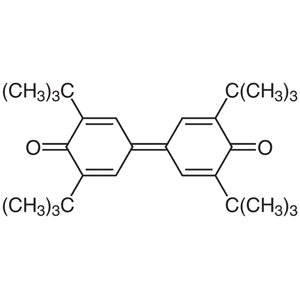
3,3',5,5'-Tetra-tert-butyl-4,4'-diphenoquinone TCI T1503
Regular price Rp 2.306.850,00Regular priceRp 1.628.550,00Sale price Rp 2.306.850,00 -
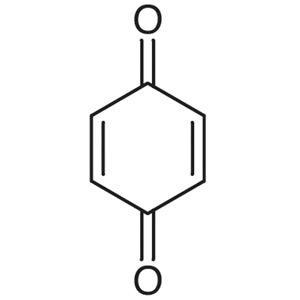
1,4-Benzoquinone TCI B0089
Regular price From Rp 822.150,00Regular priceRp 590.100,00Sale price From Rp 822.150,00 -
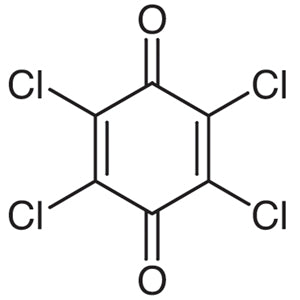
Chloranil TCI T0061
Regular price From Rp 582.750,00Regular priceRp 423.150,00Sale price From Rp 582.750,00 -
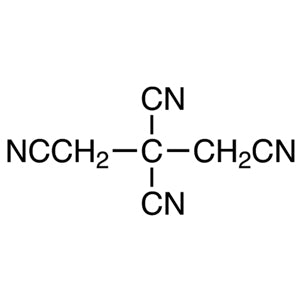
1,2,2,3-Propanetetracarbonitrile TCI P1751
Regular price From Rp 2.889.600,00Regular priceRp 2.035.950,00Sale price From Rp 2.889.600,00 -
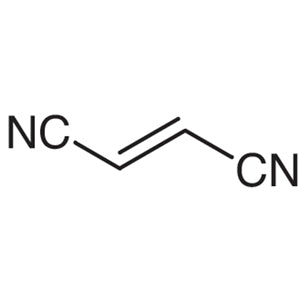
Fumaronitrile TCI F0072
Regular price From Rp 1.033.200,00Regular priceRp 738.150,00Sale price From Rp 1.033.200,00 -
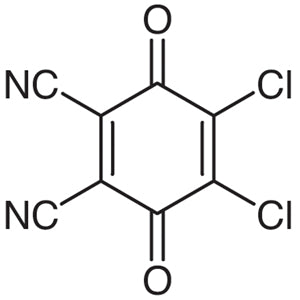
2,3-Dichloro-5,6-dicyano-1,4-benzoquinone TCI D1070
Regular price From Rp 900.900,00Regular priceRp 645.750,00Sale price From Rp 900.900,00 -
TetracyanoethyleneOxide TCI T1439
Regular price Rp 3.735.900,00Regular priceRp 2.628.150,00Sale price Rp 3.735.900,00