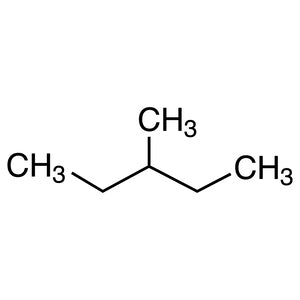
2,6,10,14-Tetramethylpentadecane from TCI is better known as pristane. It is a branched, saturated isoprenoid hydrocarbon with four methyl groups spaced regularly along a pentadecane chain. Pristane occurs naturally, for example in shark liver oil, and forms when the phytol chain of chlorophyll breaks down. In the laboratory it has two distinct main roles: as an immunological agent in experimental animals, and as a reference compound or biomarker in geochemical and environmental analysis.
Researchers choose pristane because of its properties as a saturated hydrocarbon. It is almost chemically inert and insoluble in water. Even so, it triggers a chronic inflammatory response when injected into the peritoneal cavity of mice. Laboratories use this response to induce ascites fluid during monoclonal antibody production. It is also used to create models of autoimmune diseases such as lupus and arthritis. In geochemistry, its distinctive isoprenoid structure makes pristane easy to identify by gas chromatography. The pristane-to-phytane ratio is used as an indicator of the conditions under which organic matter was deposited.
In Indonesia, pristane is relevant to immunology and biotechnology laboratories that produce monoclonal antibodies or study autoimmune disease in animal models. It is also useful to geochemistry, petroleum, and environmental laboratories. These labs analyse sediments, source rocks, and hydrocarbon samples and need a reliable, well-characterised isoprenoid reference compound. University research groups, government research institutes, and industrial analytical laboratories can all use pristane from TCI as a dependable material for their routine and research work.
TCI brochures (PDF)
- Reagents for Preparing Animal Disease Models 2024-09-13 · p. 1
- Cancer Research Reagents 2025-04-01 · p. 8
- Immunology Research Reagents 2026-06-03 · p. 8
- Reagents for Biological Research 2025-03-11 · p. 49
- Monoclonal antibody production: pristane is injected into the peritoneal cavity of mice to cause chronic inflammation, which promotes ascites fluid formation for higher antibody yields.
- Autoimmune disease modelling: the chronic inflammatory response that pristane produces in mice is used to establish experimental models of lupus and arthritis for immunological research.
- Gas chromatography reference standard: its distinctive branched isoprenoid structure makes pristane easy to recognise in chromatograms, so it works well as an identification and comparison standard.
- Geochemical biomarker analysis: pristane is measured alongside phytane, and the pristane/phytane ratio indicates the depositional conditions of organic matter in sediments and source rocks.
- Environmental hydrocarbon studies: as a stable, chemically inert saturated hydrocarbon of natural origin, pristane serves as a reference compound when characterising hydrocarbon content in environmental samples.
| Brand | TCI (product code T0149) |
|---|---|
| CAS number | 1921-70-6 |
| Molecular formula | — |
| Purity | — |
| Category | Chemistry > Building Blocks > Non-Heterocyclic Building Blocks |
| Pack sizes | as listed for this product; please confirm the available sizes when ordering |
| Physical form | — |
| Storage | keep tightly closed in a cool, dry, well-ventilated place |
- Synonym: Pristane
Store pristane in its original, tightly sealed container in a cool, dry, and well-ventilated area, away from heat sources, open flames, and strong oxidising agents. Glass or other chemically compatible containers with secure closures are suitable. Handle the material in a fume hood or well-ventilated area, and wear appropriate personal protective equipment, including safety glasses, chemical-resistant gloves, and a laboratory coat. Avoid contact with skin and eyes, and do not inhale vapours. When the compound is used for in vivo work, follow your institution's animal-handling and ethical protocols. Always consult the supplier's Safety Data Sheet before use, and dispose of waste in line with local regulations.
—
Product Categories
Produk Terkait
-
Pentadecane[StandardMaterialforGC] TCI S0287
Regular price Rp 1.618.050,00Regular priceRp 1.130.850,00Sale price Rp 1.618.050,00 -
Pentadecane TCI P0606
Regular price From Rp 795.900,00Regular priceRp 556.500,00Sale price From Rp 795.900,00 -
2-Acetamidofluorene TCI A0076
Regular price From Rp 3.419.850,00Regular priceRp 2.406.600,00Sale price From Rp 3.419.850,00 -
7,12-Dimethylbenz[a]anthracene TCI D0677
Regular price From Rp 4.001.550,00Regular priceRp 2.798.250,00Sale price From Rp 4.001.550,00 -
2,2,4,4-Tetramethylpentane TCI T1704
Regular price From Rp 1.220.100,00Regular priceRp 852.600,00Sale price From Rp 1.220.100,00 -
2,2,3-Trimethylpentane TCI T0689
Regular price Rp 7.817.250,00Regular priceRp 5.466.300,00Sale price Rp 7.817.250,00 -
2,3,4-Trimethylpentane TCI T0482
Regular price Rp 6.465.900,00Regular priceRp 4.521.300,00Sale price Rp 6.465.900,00 -
3-Methylpentane TCI M0383
Regular price From Rp 955.500,00Regular priceRp 667.800,00Sale price From Rp 955.500,00