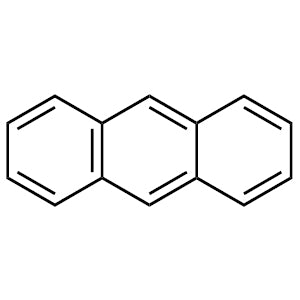
TCI D0677 7,12-Dimethylbenz[a]anthracene, commonly abbreviated as DMBA, is a polycyclic aromatic hydrocarbon built on a benz[a]anthracene skeleton with two methyl groups at positions 7 and 12. In biomedical research it is best known as a potent chemical carcinogen, which is why it is widely used to induce tumour formation in experimental animals in a controlled way. In the laboratory, DMBA is an important research tool for understanding how cancer develops and for testing compounds that may help prevent it.
Researchers choose DMBA because it induces tumours fairly consistently in certain animal models. Well-known examples include the two-stage mouse skin carcinogenesis model, where DMBA serves as the initiator and is combined with a tumour promoter, and the rat mammary tumour model. In the body, the compound needs metabolic activation by cytochrome P450 enzymes, which convert it into reactive metabolites that can damage DNA. This makes DMBA a useful model for studying xenobiotic metabolism and genetic damage, as well as tumour induction itself.
In Indonesia, DMBA is widely used by pharmacology, pharmacy, and medical laboratories that study anticancer and chemopreventive activity. University research groups and institutional laboratories use it to set up established tumour models, so they can assess candidate compounds, including natural product extracts, under reproducible experimental conditions. Supplied under the TCI brand, it gives researchers a recognised and consistent source of this reference carcinogen for in vivo and mechanistic studies.
TCI brochures (PDF)
- Reagents for Preparing Animal Disease Models 2024-09-13 · p. 1
- Cancer Research Reagents 2025-04-01 · p. 8
- Reagents for Biological Research 2025-03-11 · p. 49
- Two-stage skin carcinogenesis models: DMBA serves as the tumour initiator in mice and is followed by a tumour promoter, which allows researchers to study the initiation and promotion stages separately.
- Mammary tumour induction in rats: DMBA is used to establish mammary tumour models because it induces tumours fairly consistently, giving a reliable baseline for comparing treatment groups.
- Chemopreventive compound screening: researchers induce tumours with DMBA to test whether candidate compounds or extracts can prevent or reduce tumour formation in animal models.
- Xenobiotic metabolism studies: DMBA requires activation by cytochrome P450 enzymes, which makes it a useful model compound for studying how the body converts foreign substances into reactive metabolites.
- DNA damage and genotoxicity research: DMBA's reactive metabolites can damage DNA, so researchers use it to study mechanisms of genetic damage and the biological responses that follow.
| Brand | TCI (product code D0677) |
|---|---|
| CAS number | 57-97-6 |
| Molecular formula | — |
| Purity | — |
| Category | Chemistry > Building Blocks > Non-Heterocyclic Building Blocks |
| Pack sizes | Available in TCI's standard pack sizes; please contact us to confirm current options |
| Physical form | Solid |
| Storage | Keep tightly closed, protected from light, and follow the storage conditions on the TCI label and Safety Data Sheet |
DMBA is a potent carcinogen, so it should be handled only by trained personnel in a designated area, preferably inside a certified fume hood or containment enclosure. Store it in its original, tightly sealed container, protected from light and moisture, in a cool, dry, and well-ventilated location. Keep it away from strong oxidising agents and clearly label it as a carcinogen. Wear suitable protective gloves, a laboratory coat, and eye protection, and avoid creating dust or aerosols. Weigh and prepare solutions with care to prevent contamination of surfaces. Collect contaminated materials and waste separately, and dispose of them as hazardous chemical waste according to institutional and local regulations. Always consult the TCI Safety Data Sheet before use.
—
Produk Terkait
-
Anthracene TCI A0495
Regular price From Rp 584.850,00Regular priceRp 408.450,00Sale price From Rp 584.850,00 -
Benz[a]anthracene TCI B0017
Regular price From Rp 1.458.450,00Regular priceRp 1.019.550,00Sale price From Rp 1.458.450,00 -
Anthracene(purifiedbysublimation) TCI A3437
Regular price Rp 1.405.950,00Regular priceRp 982.800,00Sale price Rp 1.405.950,00 -
9-(1-Naphthyl)-10-(2-naphthyl)anthracene TCI N1135
Regular price From Rp 2.121.000,00Regular priceRp 1.482.600,00Sale price From Rp 2.121.000,00 -
9-(1-Naphthyl)anthracene TCI N0994
Regular price From Rp 743.400,00Regular priceRp 519.750,00Sale price From Rp 743.400,00 -
7-Methylbenz[a]anthracene TCI M0248
Regular price Rp 848.400,00Regular priceRp 593.250,00Sale price Rp 848.400,00 -
9,10-Di(1-naphthyl)anthracene TCI D3975
Regular price From Rp 1.538.250,00Regular priceRp 1.075.200,00Sale price From Rp 1.538.250,00 -
2-Acetamidofluorene TCI A0076
Regular price From Rp 3.419.850,00Regular priceRp 2.406.600,00Sale price From Rp 3.419.850,00