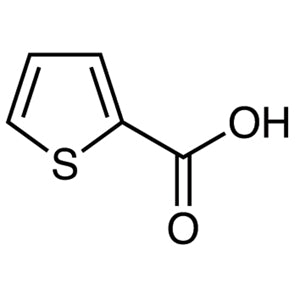
2-Thiophenecarboxylic Acid is a chemical compound widely used in laboratory settings for the synthesis of heterocyclic compounds and their derivatives. As a building block in organic chemistry, it plays a crucial role in the development of complex molecular structures. This compound is commonly found in chemical laboratories, where it serves as a foundational material for various synthetic processes. Its versatility makes it an essential tool for researchers working in diverse fields such as pharmaceuticals and materials science.
The compound's unique structure, featuring a thiophene ring connected to a carboxylic acid group, gives it high reactivity. This allows it to participate in key reactions such as esterification, amidation, and substitution. Its polar nature also enables it to dissolve in organic solvents like ethyl acetate and acetone, making it suitable for a wide range of chemical applications. These properties contribute to its popularity among chemists seeking reliable and effective reagents.
In Indonesian laboratories, 2-Thiophenecarboxylic Acid is frequently utilized in chemical research, particularly in the synthesis of heterocyclic compounds, pharmacological studies, and material development. It is a preferred choice for academic institutions and research centers due to its stability and consistent performance. Its use supports the advancement of scientific knowledge and innovation in various chemical disciplines.
TCI brochures (PDF)
- Thiophenes 2026-06-29 · p. 8
Related TCI products
- TCI T1252 5813-89-8 2-Thiophenecarboxamide
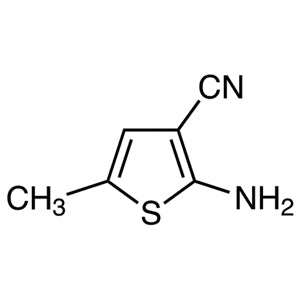
- TCI A2351 138564-58-6 2-Amino-5-methyl-3-thiophenecarbonitrile
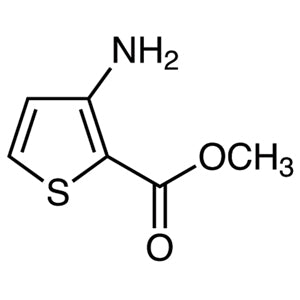
- TCI A1039 22288-78-4 Methyl 3-Amino-2-thiophenecarboxylate
- TCI T1140 2361-27-5 2-Thiophenecarboxylic Hydrazide
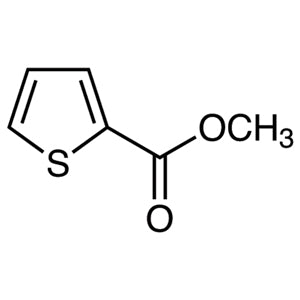
- TCI T1139 5380-42-7 Methyl 2-Thiophenecarboxylate
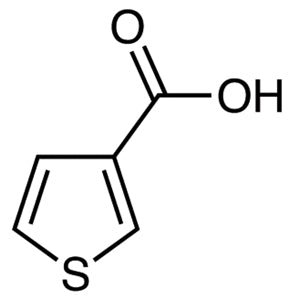
- TCI T1084 88-13-1 3-Thiophenecarboxylic Acid
- Heterocyclic Compound Synthesis: This compound is ideal for creating complex ring structures, which are essential in pharmaceutical and material science research.
- Pharmaceutical Research: Its reactivity and structural versatility make it suitable for drug development and compound modification.
- Organic Chemistry Experiments: It is commonly used in laboratory settings for teaching and research due to its predictable chemical behavior.
- Material Science Studies: The compound's unique properties are valuable in the development of new materials with specific functional characteristics.
- Analytical Chemistry Applications: It can serve as a standard or reagent in analytical procedures requiring precise chemical reactions.
| Brand | TCI |
|---|---|
| CAS number | 527-72-0 |
| Molecular formula | — |
| Purity | — |
| Category | Chemistry > Building Blocks > Heterocyclic Building Blocks |
| Pack sizes | Available in various quantities as per supplier specifications |
| Physical form | Solid |
| Storage | Store in a cool, dry place away from moisture and direct sunlight |
This compound should be stored in a cool, dry environment to maintain its stability and prevent degradation. It is recommended to keep it in airtight containers to avoid exposure to moisture and air. Due to its polar nature, it is important to handle it with care during transfer and use. Proper ventilation should be maintained in the laboratory to ensure safe handling. Always use appropriate personal protective equipment, such as gloves and goggles, when working with this material. Regular monitoring of storage conditions will help ensure its continued effectiveness and safety in laboratory applications.
—
Produk Terkait
-
2-Thiophenecarboxamide TCI T1252
Regular price Rp 1.458.450,00Regular priceRp 1.035.300,00Sale price Rp 1.458.450,00 -
2-Amino-5-methyl-3-thiophenecarbonitrile TCI A2351
Regular price Rp 980.700,00Regular priceRp 701.400,00Sale price Rp 980.700,00 -
Methyl3-Amino-2-thiophenecarboxylate TCI A1039
Regular price Rp 1.590.750,00Regular priceRp 1.127.700,00Sale price Rp 1.590.750,00 -
2-ThiophenecarboxylicHydrazide TCI T1140
Regular price Rp 2.491.650,00Regular priceRp 1.757.700,00Sale price Rp 2.491.650,00 -
Methyl2-Thiophenecarboxylate TCI T1139
Regular price Rp 900.900,00Regular priceRp 645.750,00Sale price Rp 900.900,00 -
3-ThiophenecarboxylicAcid TCI T1084
Regular price Rp 1.696.800,00Regular priceRp 1.202.250,00Sale price Rp 1.696.800,00 -
Ethyl2-Thiophenecarboxylate TCI T0904
Regular price Rp 1.087.800,00Regular priceRp 775.950,00Sale price Rp 1.087.800,00 -
3-Thiophenecarboxaldehyde TCI T0864
Regular price Rp 1.405.950,00Regular priceRp 998.550,00Sale price Rp 1.405.950,00