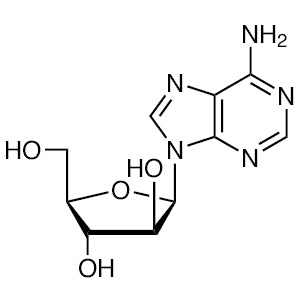
Thymidine is a chemical compound classified as a nucleotide and is a key component of DNA. It plays a fundamental role in molecular biology and biochemistry, serving as a building block for DNA synthesis and various genetic research applications. In laboratory settings, thymidine is essential for processes such as polymerase chain reaction (PCR), cloning, and genetic analysis. Its presence is critical in experiments that require the manipulation and study of nucleic acids, making it a vital reagent for researchers working in molecular biology and genetics.
Thymidine is valued for its chemical stability under controlled conditions, although it is sensitive to light and high temperatures. It is typically available in crystalline or solid form and dissolves well in organic solvents like ethanol and water. These properties make it a preferred choice for biochemical experiments where purity and solubility are important factors. Its non-toxic nature also contributes to its widespread use, as it allows for safer handling in laboratory environments.
In Indonesian laboratories, thymidine is commonly used in molecular biology, pharmacology, and medical research. It supports the development of new drugs, genetic analysis, and studies on genetic disorders. Its role in DNA synthesis and enzyme activity testing makes it an indispensable tool for researchers aiming to advance scientific knowledge in these fields.
TCI brochures (PDF)
- Cell Cycle Analysis Kit without Cell Pre-Fixation 2024-01-25 · p. 1
- Nucleosides, Nucleotides, Nucleic Acids and Related Reagents 2026-03-23 · p. 2
- Reagents for Biological Research 2025-03-11 · p. 60
Related TCI products
- DNA synthesis and polymerase chain reaction (PCR) experiments benefit from thymidine as it is a fundamental nucleotide required for DNA strand elongation.
- Genetic analysis and sequencing processes rely on thymidine to ensure accurate DNA template creation for sequencing technologies.
- Enzyme activity assays use thymidine to evaluate the function of DNA polymerases and other nucleotide-related enzymes.
- Cloning and gene expression studies require thymidine to support the replication and transcription of genetic material.
- Research into genetic disorders and mutations often utilizes thymidine to study how nucleotide modifications affect DNA structure and function.
| Brand | TCI |
|---|---|
| CAS number | 50-89-5 |
| Molecular formula | — |
| Purity | — |
| Category | Life Science > Biochemicals and Reagents > Nucleosides, Nucleotides, Oligonucleotides |
| Pack sizes | Available in various quantities as per standard laboratory reagent packaging |
| Physical form | Solid or crystalline |
| Storage | Store in a cool, dark place away from light and high temperatures |
Thymidine should be stored in a cool, dark environment to prevent degradation due to light exposure. It is recommended to keep it in airtight containers to minimize moisture absorption and contamination. Due to its sensitivity to high temperatures, it should be kept away from heat sources and direct sunlight. Proper labeling of containers is essential to ensure safe handling and prevent mix-ups in the laboratory. Regular checks for contamination and purity should be conducted to maintain the integrity of the reagent. All laboratory personnel should follow standard safety protocols when handling thymidine to ensure a safe and effective working environment.
—
Produk Terkait
-
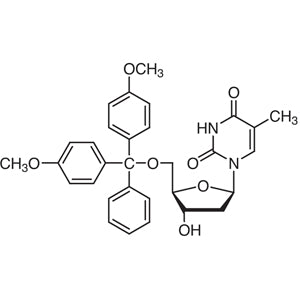
5'-O-(4,4'-Dimethoxytrityl)thymidine TCI D3566
Regular price Rp 1.563.450,00Regular priceRp 1.108.800,00Sale price Rp 1.563.450,00 -
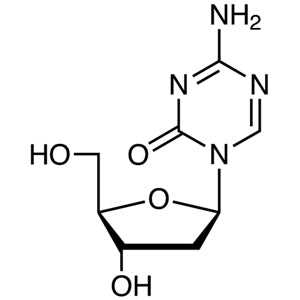
5-Aza-2'-deoxycytidine TCI A2232
Regular price From Rp 3.419.850,00Regular priceRp 2.406.600,00Sale price From Rp 3.419.850,00 -
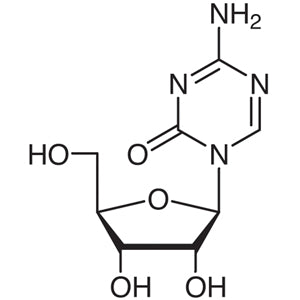
5-Azacytidine TCI A2033
Regular price From Rp 1.167.600,00Regular priceRp 831.600,00Sale price From Rp 1.167.600,00 -
Thymidine5'-MonophosphateDisodiumSalt TCI T0845
Regular price Rp 2.306.850,00Regular priceRp 1.628.550,00Sale price Rp 2.306.850,00 -
3'-O-[tert-Butyl(dimethyl)silyl]thymidine TCI D5997
Regular price From Rp 2.384.550,00Regular priceRp 1.683.150,00Sale price From Rp 2.384.550,00 -
Adenosine TCI A0152
Regular price From Rp 769.650,00Regular priceRp 553.350,00Sale price From Rp 769.650,00 -
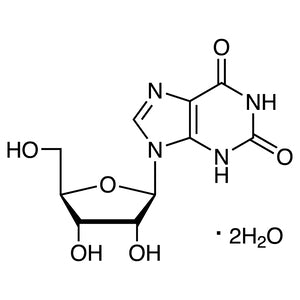
XanthosineDihydrate TCI X0008
Regular price Rp 1.167.600,00Regular priceRp 831.600,00Sale price Rp 1.167.600,00 -
Vidarabine TCI V0175
Regular price Rp 1.856.400,00Regular priceRp 1.313.550,00Sale price Rp 1.856.400,00