1,2,4-Triaminobenzene Dihydrochloride is a chemical compound widely used in laboratory settings for the synthesis of complex molecules. As a building block in organic chemistry, it serves as a versatile reagent for various chemical reactions, particularly those involving substitution and condensation. Its aromatic structure with three amino groups positioned at 1, 2, and 4 on the benzene ring makes it a valuable intermediate in the development of new compounds. This compound is commonly used in research to create heterocyclic structures, dyes, and other chemically reactive materials. Its role in laboratory applications extends to both synthetic and analytical processes, making it an essential tool for chemists working on advanced chemical projects.
The chemical properties of 1,2,4-Triaminobenzene Dihydrochloride make it a preferred choice for laboratory use. It exhibits good solubility in organic solvents, which facilitates its use in a wide range of reaction conditions. The dihydrochloride form enhances its solubility, making it easier to handle and incorporate into synthetic protocols. Its reactivity towards substitution and condensation reactions allows for the formation of diverse chemical structures. Additionally, its stability under controlled conditions ensures reliable performance in experimental settings. These characteristics make it a reliable and efficient reagent for both academic and industrial research.
In Indonesian laboratories, 1,2,4-Triaminobenzene Dihydrochloride is extensively used in chemical synthesis, analytical chemistry, and the development of new chemical materials. It is a key component in organic synthesis experiments, where it is used to create complex molecules and functional groups. Its presence in research facilities across Indonesia highlights its importance in advancing chemical knowledge and innovation within the scientific community.
TCI brochures (PDF)
- Covalent Organic Framework (COF) Linkers 2026-05-18 · p. 4
Related TCI products
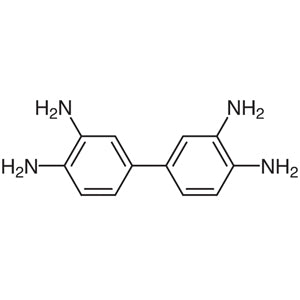
- TCI D0077 91-95-2 3,3'-Diaminobenzidine
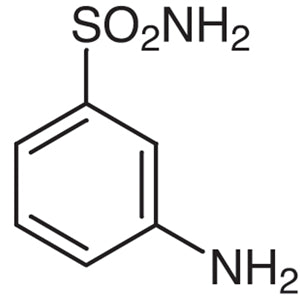
- TCI A2195 98-18-0 3-Aminobenzenesulfonamide
- TCI X0080 89690-11-9 Xylemin Dihydrochloride
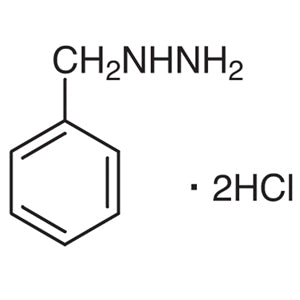
- TCI B3471 20570-96-1 Benzylhydrazine Dihydrochloride
- TCI B2318 1820706-16-8 (+/-)-1,2-Bis(2,4,6-trimethylphenyl)ethylenediamine Dihydrochloride
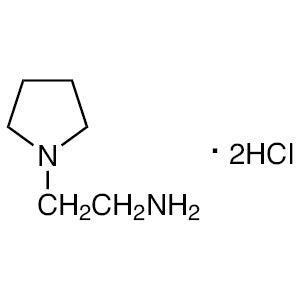
- TCI A3393 65592-36-1 2-(1-Pyrrolidinyl)ethanamine Dihydrochloride
- Organic synthesis applications benefit from this compound due to its aromatic structure and reactivity, allowing for the creation of complex molecules and heterocyclic compounds.
- Analytical chemistry uses it as a reference standard for qualitative and quantitative analysis in various chemical testing procedures.
- Dye and pigment development relies on its ability to form stable compounds with other reagents, making it ideal for creating colored compounds.
- Pharmaceutical research utilizes it as a building block for synthesizing active pharmaceutical ingredients and drug derivatives.
- Material science applications take advantage of its chemical reactivity to develop new polymers and functional materials with specific properties.
| Brand | TCI |
|---|---|
| CAS number | 615-47-4 |
| Molecular formula | — |
| Purity | — |
| Category | Chemistry > Building Blocks > Non-Heterocyclic Building Blocks |
| Pack sizes | Available in various quantities as per supplier specifications |
| Physical form | Solid in powder form |
| Storage | Store in a cool, dry place away from moisture and direct sunlight |
This compound should be stored in a cool, dry environment to maintain its chemical stability and prevent degradation. It is recommended to use airtight containers to protect it from moisture and humidity, which can affect its solubility and reactivity. Proper ventilation should be ensured when handling the material to minimize exposure to vapors. Due to its reactivity, it should be kept away from incompatible substances such as strong oxidizers or acids. Laboratory personnel should wear appropriate personal protective equipment, including gloves and safety goggles, when handling this compound. Regular monitoring of storage conditions is essential to ensure the compound remains in optimal condition for use in research applications.
—
Product Categories
Produk Terkait
-
3,3'-Diaminobenzidine TCI D0077
Regular price From Rp 2.093.700,00Regular priceRp 1.479.450,00Sale price From Rp 2.093.700,00 -
3-Aminobenzenesulfonamide TCI A2195
Regular price Rp 2.013.900,00Regular priceRp 1.423.800,00Sale price Rp 2.013.900,00 -
XyleminDihydrochloride TCI X0080
Regular price From Rp 2.518.950,00Regular priceRp 1.760.850,00Sale price From Rp 2.518.950,00 -
BenzylhydrazineDihydrochloride TCI B3471
Regular price Rp 1.670.550,00Regular priceRp 1.183.350,00Sale price Rp 1.670.550,00 -
(+/-)-1,2-Bis(2,4,6-trimethylphenyl)ethylenediamineDihydrochloride TCI B2318
Regular price From Rp 5.405.400,00Regular priceRp 3.795.750,00Sale price From Rp 5.405.400,00 -
2-(1-Pyrrolidinyl)ethanamineDihydrochloride TCI A3393
Regular price Rp 1.934.100,00Regular priceRp 1.368.150,00Sale price Rp 1.934.100,00 -
AlexidineDihydrochloride TCI A3389
Regular price From Rp 1.988.700,00Regular priceRp 1.405.950,00Sale price From Rp 1.988.700,00 -
4-AminobenzamidineDihydrochloride TCI A2115
Regular price From Rp 2.279.550,00Regular priceRp 1.609.650,00Sale price From Rp 2.279.550,00