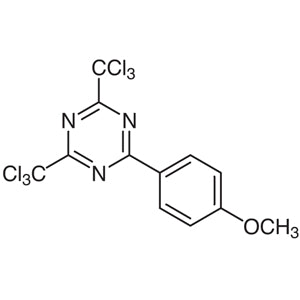
Trichloromelamine (TCI T0384), with CAS number 7673-09-8, is a chemical compound widely used in laboratory settings for its versatile reactivity and structural complexity. It belongs to the category of heterocyclic building blocks, making it an essential component in the synthesis of various organic compounds. This compound is particularly valuable in chemical reactions that require substitution or modification of molecular structures. Its role in laboratory research is critical, especially in the development of new compounds with specific functional properties.
One of the key reasons for its popularity is its chemical stability under controlled conditions, which allows for consistent results in experimental processes. Additionally, Trichloromelamine is known for its ability to interact with a wide range of reagents, making it adaptable to various synthetic pathways. These properties make it a preferred choice for chemists aiming to create complex molecules with tailored functionalities. Its reactivity and versatility are particularly beneficial in research focused on organic chemistry and pharmaceutical development.
In Indonesian laboratories, Trichloromelamine is commonly used in scientific research, especially in the fields of organic chemistry and pharmacy. It plays a vital role in the development of new compounds with potential medical or industrial applications. Due to its unique chemical properties, it is a key reagent in the study of molecular structures and functional group modifications, supporting both academic and applied research efforts.
Related TCI products
- TCI M2137 949-42-8 2-Methyl-4,6-bis(trichloromethyl)-1,3,5-triazine
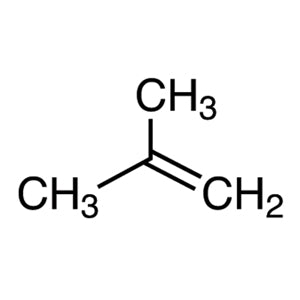
- TCI I0909 115-11-7 Isobutene (ca. 8% in Dichloromethane)
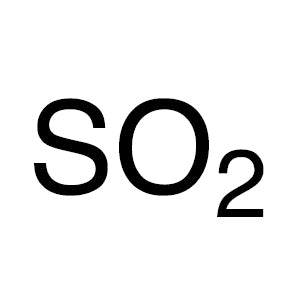
- TCI U0148 7446-09-5 Sulfur Dioxide (ca. 2.5% in Dichloromethane, ca. 0.5 mol/L)
- TCI T3122 90-17-5 alpha-(Trichloromethyl)benzyl Acetate
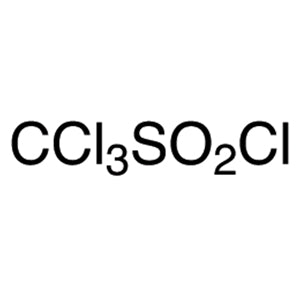
- TCI T0611 2547-61-7 Trichloromethanesulfonyl Chloride
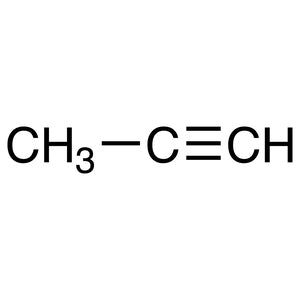
- TCI P3065 74-99-7 Propyne (ca 2% in Dichloromethane, ca 07 mol/L)
- Organic synthesis applications benefit from Trichloromelamine's reactivity and structural versatility, enabling the creation of complex organic compounds.
- Pharmaceutical research utilizes this compound for the development of new drugs, as it can participate in key synthetic steps for medicinal compounds.
- Heterocyclic compound synthesis relies on Trichloromelamine as a building block due to its ability to form stable intermediates in ring-forming reactions.
- Molecular modification studies use Trichloromelamine to explore functional group transformations and structural variations in chemical compounds.
- Industrial chemical processes incorporate this compound for the production of specialty chemicals that require specific molecular architectures.
| Brand | TCI |
|---|---|
| CAS number | 7673-09-8 |
| Molecular formula | — |
| Purity | — |
| Category | Chemistry > Building Blocks > Heterocyclic Building Blocks |
| Pack sizes | Available in various quantities as per standard laboratory supply specifications |
| Physical form | Solid powder |
| Storage | Store in a cool, dry place away from moisture and direct sunlight |
Trichloromelamine should be stored in a cool, dry environment to maintain its chemical stability and prevent degradation. It is recommended to keep it in a sealed container to avoid exposure to moisture and air, which could affect its reactivity. Due to its chemical nature, it should be handled in a well-ventilated area, and appropriate personal protective equipment such as gloves and safety goggles should be worn. Avoid contact with incompatible substances to ensure safe handling. Proper storage conditions are essential to preserve its effectiveness in laboratory applications.
—
Produk Terkait
-
2-Methyl-4,6-bis(trichloromethyl)-1,3,5-triazine TCI M2137
Regular price Rp 3.949.050,00Regular priceRp 2.777.250,00Sale price Rp 3.949.050,00 -
Isobutene(ca.8%inDichloromethane) TCI I0909
Regular price From Rp 1.060.500,00Regular priceRp 741.300,00Sale price From Rp 1.060.500,00 -
SulfurDioxide(ca.2.5%inDichloromethane,ca.0.5mol/L) TCI U0148
Regular price From Rp 1.908.900,00Regular priceRp 1.334.550,00Sale price From Rp 1.908.900,00 -
alpha-(Trichloromethyl)benzylAcetate TCI T3122
Regular price From Rp 795.900,00Regular priceRp 556.500,00Sale price From Rp 795.900,00 -
TrichloromethanesulfonylChloride TCI T0611
Regular price From Rp 2.174.550,00Regular priceRp 1.520.400,00Sale price From Rp 2.174.550,00 -
Propyne(ca2%inDichloromethane,ca07mol/L) TCI P3065
Regular price From Rp 1.087.800,00Regular priceRp 760.200,00Sale price From Rp 1.087.800,00 -
3-Methyl-1-butene(ca.15%inDichloromethane,ca.2.5mol/L) TCI M2563
Regular price Rp 6.996.150,00Regular priceRp 4.891.950,00Sale price Rp 6.996.150,00 -
2-(4-Methoxyphenyl)-4,6-bis(trichloromethyl)-1,3,5-triazine TCI M1245
Regular price From Rp 1.590.750,00Regular priceRp 1.127.700,00Sale price From Rp 1.590.750,00