Trichloromethanesulfonyl Chloride (TCI T0611), with CAS number 2547-61-7, is a highly reactive chemical compound widely used in organic laboratory settings. It serves as a key reagent in various synthetic processes, particularly in the formation of sulfonate bonds. This compound is essential for chemists working on complex molecule synthesis, offering versatility and efficiency in reaction pathways. Its unique chemical structure enables it to participate in substitution reactions and bond formation, making it a valuable tool in modern organic chemistry.
The compound's high reactivity and stability under controlled conditions make it a preferred choice for laboratory applications. Its ability to facilitate efficient chemical transformations, combined with its predictable behavior in synthetic reactions, ensures reliable results. The compound’s chemical properties allow it to be used in a wide range of experimental setups, contributing to the success of many organic synthesis projects. Its effectiveness in promoting sulfonation reactions further enhances its utility in research and development.
In Indonesian laboratories, Trichloromethanesulfonyl Chloride is commonly used in academic and research institutions. It plays a crucial role in the synthesis of organic compounds, supporting both teaching and advanced research activities. Its availability through trusted suppliers like AMI Scientific ensures that researchers have access to this essential reagent for their experiments. The compound's reliability and performance make it a staple in the chemical laboratories of Indonesia.
TCI brochures (PDF)
- Halogenation Reagents 2026-04-03 · p. 6
Related TCI products
- TCI T3122 90-17-5 alpha-(Trichloromethyl)benzyl Acetate
- TCI B0662 75-62-7 Bromotrichloromethane
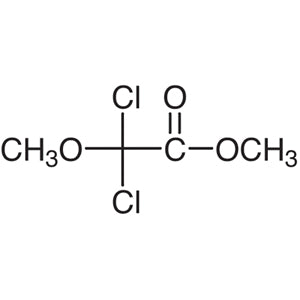
- TCI A1046 17640-25-4 Methyl Dichloromethoxyacetate
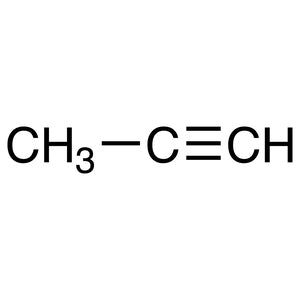
- TCI P3065 74-99-7 Propyne (ca 2% in Dichloromethane, ca 07 mol/L)
- TCI M2563 563-45-1 3-Methyl-1-butene (ca. 15% in Dichloromethane, ca. 2.5mol/L)
- TCI D1597 33842-02-3 Dichloromethylenedimethyliminium Chloride
- Organic synthesis reactions where sulfonation and substitution are required due to its high reactivity and ability to form stable sulfonate intermediates.
- Development of complex molecular structures in research laboratories as it enables efficient bond formation and functional group introduction.
- Teaching and training sessions in chemistry departments where students learn about advanced synthetic methodologies and reagent behavior.
- Industrial research applications where high-performance reagents are needed for the production of specialty chemicals and pharmaceuticals.
- Analytical chemistry experiments that require precise chemical transformations and controlled reaction conditions for accurate results.
| Brand | TCI |
|---|---|
| CAS number | 2547-61-7 |
| Molecular formula | — |
| Purity | — |
| Category | Chemistry > Building Blocks > Non-Heterocyclic Building Blocks |
| Pack sizes | Available in various quantities as per supplier specifications |
| Physical form | Liquid |
| Storage | Requires storage in a cool, dry, and well-ventilated area away from moisture and incompatible substances |
Trichloromethanesulfonyl Chloride should be stored in a cool, dry, and well-ventilated area, away from moisture and incompatible materials. It is recommended to use sealed containers made of materials compatible with its chemical properties, such as glass or high-density polyethylene. Due to its reactivity, it should be handled with appropriate personal protective equipment, including gloves, goggles, and a lab coat. The compound should be kept in a fume hood during use to minimize exposure. Regular monitoring of storage conditions is essential to maintain its stability and effectiveness in laboratory applications.
—
Produk Terkait
-
alpha-(Trichloromethyl)benzylAcetate TCI T3122
Regular price From Rp 795.900,00Regular priceRp 556.500,00Sale price From Rp 795.900,00 -
Bromotrichloromethane TCI B0662
Regular price Rp 505.050,00Regular priceRp 352.800,00Sale price Rp 505.050,00 -
MethylDichloromethoxyacetate TCI A1046
Regular price From Rp 1.272.600,00Regular priceRp 905.100,00Sale price From Rp 1.272.600,00 -
Propyne(ca2%inDichloromethane,ca07mol/L) TCI P3065
Regular price From Rp 1.087.800,00Regular priceRp 760.200,00Sale price From Rp 1.087.800,00 -
3-Methyl-1-butene(ca.15%inDichloromethane,ca.2.5mol/L) TCI M2563
Regular price Rp 6.996.150,00Regular priceRp 4.891.950,00Sale price Rp 6.996.150,00 -
DichloromethylenedimethyliminiumChloride TCI D1597
Regular price From Rp 1.192.800,00Regular priceRp 849.450,00Sale price From Rp 1.192.800,00 -
1-Butene(ca.3%inDichloromethane,ca.0.7mol/L) TCI B6534
Regular price From Rp 980.700,00Regular priceRp 685.650,00Sale price From Rp 980.700,00 -
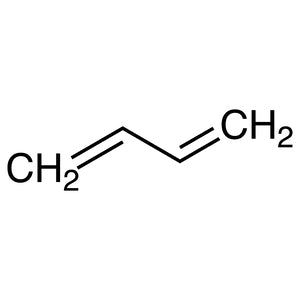
1,3-Butadiene(ca.6%inDichloromethane,ca.1.5mol/L) TCI B6532
Regular price From Rp 1.405.950,00Regular priceRp 982.800,00Sale price From Rp 1.405.950,00