Triisodecyl Phosphite (mixture of isomers), with CAS number 25448-25-3, is a chemical compound widely used in laboratory applications related to polymer and macromolecule research. This material serves as a key additive in polymer modification processes, enhancing thermal stability and oxidation resistance in various synthetic materials. Its versatility makes it an essential component in both academic and industrial laboratory settings, where it supports the development of advanced polymer-based products.
The chemical properties of Triisodecyl Phosphite contribute to its popularity as a preferred choice in laboratory environments. It exhibits chemical stability, resisting unwanted reactions with other reagents, which simplifies its handling and application. Additionally, its non-volatile nature ensures consistent performance in controlled laboratory conditions. These characteristics make it suitable for use in a wide range of experimental procedures, from polymer synthesis to material testing.
In Indonesian laboratories, Triisodecyl Phosphite is commonly utilized in polymer research and development. It plays a crucial role in the formulation of composite materials and protective chemical substances. Its application is particularly relevant in educational institutions and research centers focused on material science, where it supports the creation of high-performance polymers and advanced composite structures.
TCI brochures (PDF)
- Polymer Additives 2026-04-16 · p. 9
Related TCI products
- Polymer Modification: Enhances thermal stability and oxidation resistance in polymer synthesis, making it ideal for developing durable materials.
- Composite Material Formulation: Acts as a stabilizer in composite manufacturing, improving the mechanical properties of the final product.
- Material Testing: Used in mechanical property analysis to assess the performance of polymer-based materials under various conditions.
- Oxidation Resistance Studies: Supports research on how materials resist degradation, aiding in the development of long-lasting products.
- Chemical Protective Coatings: Applied in the creation of protective layers that shield materials from environmental damage.
| Brand | TCI |
|---|---|
| CAS number | 25448-25-3 |
| Molecular formula | — |
| Purity | — |
| Category | Materials Science > Polymer/Macromolecule Reagents > Polymer Additives |
| Pack sizes | Available in various quantities as per standard laboratory requirements |
| Physical form | Liquid |
| Storage | Store in a cool, dry place away from direct sunlight and incompatible materials |
Triisodecyl Phosphite should be stored in a cool, dry environment, away from direct sunlight and sources of heat. It is recommended to keep the material in a sealed container to prevent contamination and maintain its chemical integrity. Due to its non-volatile nature, it does not require special ventilation, but general laboratory safety protocols should still be followed. Avoid contact with incompatible substances such as strong oxidizers. Always use appropriate personal protective equipment when handling this material to ensure safe laboratory practices.
—
Produk Terkait
-
TrioctylPhosphite(mixture) TCI P0386
Regular price Rp 1.035.300,00Regular priceRp 723.450,00Sale price Rp 1.035.300,00 -
Tris(1,1,1,3,3,3-hexafluoro-2-propyl)Phosphite TCI T3353
Regular price From Rp 3.367.350,00Regular priceRp 2.354.100,00Sale price From Rp 3.367.350,00 -
TriphenylPhosphite TCI T0510
Regular price From Rp 530.250,00Regular priceRp 370.650,00Sale price From Rp 530.250,00 -
TributylPhosphite TCI T0362
Regular price From Rp 903.000,00Regular priceRp 631.050,00Sale price From Rp 903.000,00 -
Tris(2,4-di-tert-butylphenyl)Phosphite TCI P1421
Regular price From Rp 477.750,00Regular priceRp 333.900,00Sale price From Rp 477.750,00 -
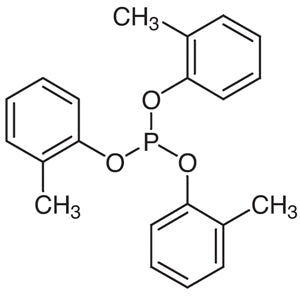
Tri-o-tolylPhosphite TCI P1416
Regular price From Rp 2.121.000,00Regular priceRp 1.482.600,00Sale price From Rp 2.121.000,00 -
TrihexylPhosphite TCI P1260
Regular price From Rp 1.378.650,00Regular priceRp 963.900,00Sale price From Rp 1.378.650,00 -
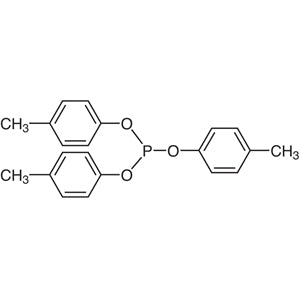
Tri-p-tolylPhosphite TCI P1175
Regular price From Rp 980.700,00Regular priceRp 685.650,00Sale price From Rp 980.700,00