Tetrachloroisophthalonitrile is a chemical compound widely used in scientific research, particularly in the fields of cell biology and nutrition. As a key reagent in laboratory settings, it plays a crucial role in chemical reactions that require high stability and reactivity. Its unique molecular structure makes it a valuable precursor for the synthesis of other compounds with specific biological activities. This compound is essential for researchers aiming to explore complex biochemical interactions and develop new compounds with potential therapeutic or nutritional applications.
The compound is known for its chemical stability and ability to form bonds with various organic molecules, making it a preferred choice in precision-driven experiments. These properties ensure consistent results and minimize unwanted side reactions during synthesis processes. Its stability under certain conditions also helps prevent degradation during storage and usage, enhancing its reliability in long-term research projects. This reliability is especially important in environments where accuracy and reproducibility are critical.
In Indonesian laboratories, Tetrachloroisophthalonitrile is commonly used in studies related to nutrition, cellular metabolism, and the development of new compounds. Its relevance extends to understanding chemical mechanisms within biological systems, enabling researchers to conduct more accurate and meaningful experiments. With its versatility and reliability, it remains a key component in the toolkit of many scientific investigations in the region.
TCI brochures (PDF)
- Agrochemical Ingredients for Research and Experimental Use 2026-01-08 · p. 4
- Plant Research Reagents 2026-02-24 · p. 11
- Reagents for Biological Research 2025-03-11 · p. 56
Related TCI products
- Nutritional Research: Tetrachloroisophthalonitrile is used to study metabolic pathways and the synthesis of bioactive compounds in food and dietary supplements.
- Cellular Metabolism Studies: It supports experiments that investigate how cells process and utilize various chemical compounds, aiding in the understanding of metabolic disorders.
- Compound Synthesis: Its reactivity and stability make it ideal for the synthesis of new organic compounds with potential pharmaceutical or agricultural applications.
- Biochemical Reactions: It is employed in reactions requiring controlled chemical environments, ensuring accurate and reproducible results in biochemical experiments.
- Environmental Toxicology: It helps in assessing the impact of chemical compounds on biological systems, contributing to the evaluation of environmental safety and health risks.
| Brand | TCI |
|---|---|
| CAS number | 1897-45-6 |
| Molecular formula | — |
| Purity | — |
| Category | Life Science > Cell Biology > Nutrition Research |
| Pack sizes | Available in standard laboratory quantities |
| Physical form | Solid |
| Storage | Store in a cool, dry place away from direct sunlight |
Tetrachloroisophthalonitrile should be stored in a cool, dry environment to maintain its chemical stability and prevent degradation. It is recommended to keep the compound in a tightly sealed container to minimize exposure to moisture and air. Due to its reactivity, it should be handled in a well-ventilated area, ideally with appropriate personal protective equipment such as gloves and safety goggles. Avoid contact with incompatible materials to ensure safe handling. Regular inspection of storage conditions is advised to maintain the integrity of the compound. Proper labeling of containers is essential for safe and efficient laboratory management.
—
Produk Terkait
-
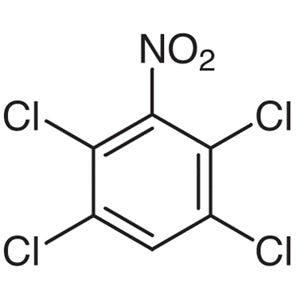
2,3,5,6-Tetrachloronitrobenzene TCI T0624
Regular price From Rp 1.510.950,00Regular priceRp 1.056.300,00Sale price From Rp 1.510.950,00 -
Phthalonitrile TCI P0404
Regular price From Rp 557.550,00Regular priceRp 405.300,00Sale price From Rp 557.550,00 -
Isophthalonitrile TCI I0158
Regular price From Rp 582.750,00Regular priceRp 423.150,00Sale price From Rp 582.750,00 -
2,3,4,5-TetrachlorobenzoicAcid TCI T2378
Regular price From Rp 1.033.200,00Regular priceRp 738.150,00Sale price From Rp 1.033.200,00 -
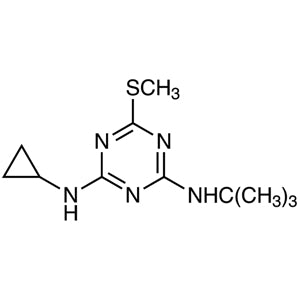
2-(tert-Butylamino)-4-(cyclopropylamino)-6-(methylthio)-1,3,5-triazine TCI I0842
Regular price From Rp 1.696.800,00Regular priceRp 1.202.250,00Sale price From Rp 1.696.800,00 -
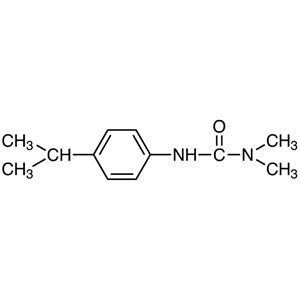
Isoproturon TCI I0843
Regular price From Rp 1.351.350,00Regular priceRp 960.750,00Sale price From Rp 1.351.350,00 -
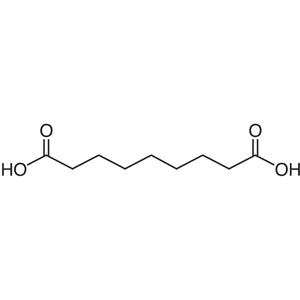
AzelaicAcid TCI A0561
Regular price From Rp 557.550,00Regular priceRp 405.300,00Sale price From Rp 557.550,00 -
AbieticAcid TCI A0001
Regular price From Rp 1.563.450,00Regular priceRp 1.108.800,00Sale price From Rp 1.563.450,00