N,N,N',N'-Tetramethyl-1,2-diaminopropane is a versatile chemical compound widely used in organic synthesis as a building block. This compound serves as a key reagent in the development of complex organic molecules due to its reactive amine groups. In laboratory settings, it plays a crucial role in various synthetic pathways, enabling chemists to construct new compounds with specific functional groups. Its structural features make it an essential component in both academic and industrial research environments.
The compound's unique molecular structure, featuring two protected amine groups flanked by methyl groups, provides a balance of stability and reactivity. This characteristic allows it to participate in a wide range of chemical reactions, including coupling, substitution, and catalytic processes. Its compatibility with both acidic and basic conditions further enhances its utility in diverse synthetic strategies. The compound's ability to adapt to different reaction environments makes it a preferred choice for researchers working on complex chemical transformations.
In Indonesian laboratories, N,N,N',N'-Tetramethyl-1,2-diaminopropane is commonly used in both fundamental and applied chemical research. It is a staple in pharmaceutical, material science, and chemical engineering laboratories, where it contributes to the development of new compounds and materials. Its availability and consistent quality make it a reliable choice for researchers seeking to advance their work in organic chemistry.
Related TCI products
- Organic synthesis: This compound is ideal for constructing complex molecules due to its reactive amine groups and structural versatility.
- Pharmaceutical research: It serves as a key intermediate in the development of new drug compounds and therapeutic agents.
- Material science: Its chemical properties make it useful in the synthesis of polymers and functional materials with specific characteristics.
- Catalytic reactions: The compound's stability and reactivity support its use in catalytic processes that require controlled chemical environments.
- Analytical chemistry: It is used as a standard or reagent in various analytical techniques to ensure accurate and reproducible results.
| Brand | TCI |
|---|---|
| CAS number | 1822-45-3 |
| Molecular formula | — |
| Purity | — |
| Category | Chemistry > Building Blocks > Non-Heterocyclic Building Blocks |
| Pack sizes | Available in various quantities to meet different laboratory needs |
| Physical form | Liquid |
| Storage | Store in a cool, dry place away from direct sunlight and incompatible substances |
This compound should be stored in a cool, dry environment, away from direct sunlight and sources of heat. It is recommended to keep it in a tightly sealed container to prevent moisture absorption and contamination. Due to its chemical nature, it should be stored separately from strong oxidizing agents and acids to avoid unwanted reactions. In laboratory settings, proper personal protective equipment such as gloves and goggles should be worn when handling. Regular monitoring of storage conditions is essential to maintain the compound's integrity and ensure safe use in chemical processes.
—
Produk Terkait
-
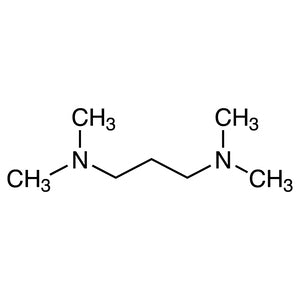
N,N,N',N'-Tetramethyl-1,3-diaminopropane TCI T0548
Regular price From Rp 505.050,00Regular priceRp 352.800,00Sale price From Rp 505.050,00 -
1,3-DiaminopropaneDihydrochloride TCI T0613
Regular price From Rp 1.749.300,00Regular priceRp 1.223.250,00Sale price From Rp 1.749.300,00 -
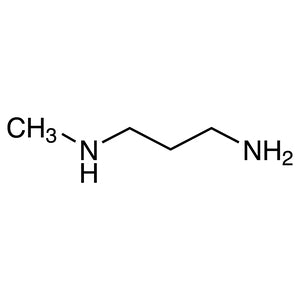
N-Methyl-1,3-diaminopropane TCI M0599
Regular price From Rp 1.298.850,00Regular priceRp 908.250,00Sale price From Rp 1.298.850,00 -
N-Isopropyl-1,3-diaminopropane TCI I0420
Regular price Rp 3.790.500,00Regular priceRp 2.650.200,00Sale price Rp 3.790.500,00 -
N,N-Diethyl-1,3-diaminopropane TCI D0473
Regular price From Rp 505.050,00Regular priceRp 352.800,00Sale price From Rp 505.050,00 -
1,3-Diaminopropane TCI D0114
Regular price From Rp 477.750,00Regular priceRp 333.900,00Sale price From Rp 477.750,00 -
1,2-Diaminopropane TCI D0113
Regular price From Rp 477.750,00Regular priceRp 333.900,00Sale price From Rp 477.750,00 -
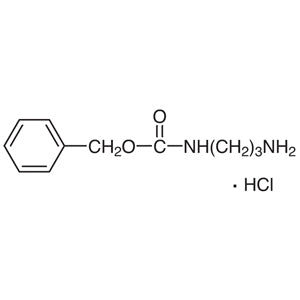
N-Benzyloxycarbonyl-1,3-diaminopropaneHydrochloride TCI C1512
Regular price From Rp 2.013.900,00Regular priceRp 1.423.800,00Sale price From Rp 2.013.900,00