Trans-2-Methyl-2-butenal is an organic compound widely used in various chemical applications within laboratory settings. As a building block in organic synthesis, it serves as a fundamental component for the creation of more complex molecules. Its versatility makes it an essential tool for researchers working on the development of aromatic, aliphatic, and heterocyclic compounds. This compound is commonly found in chemical laboratories where it plays a crucial role in both academic and industrial research. Its importance lies in its ability to participate in a wide range of chemical reactions, making it a valuable resource for synthetic chemists.
The chemical properties of trans-2-Methyl-2-butenal make it a preferred choice for laboratory use. It exhibits high reactivity towards addition and substitution reactions, which allows it to interact effectively with various reagents such as acids, bases, and metals. Its stability under controlled conditions ensures consistent results in experimental processes. Additionally, its distinct aroma aids in visual identification, which is particularly useful in laboratory environments where multiple compounds are handled simultaneously. These characteristics contribute to its widespread use in both teaching and research laboratories.
In Indonesian laboratories, trans-2-Methyl-2-butenal is commonly used in academic and industrial research settings. It is frequently employed in the synthesis of organic compounds and is a key reagent in chemical experiments. Its availability through suppliers like AMI Scientific ensures that researchers have access to this essential building block for their work. The compound's role in supporting chemical research is well-recognized, making it a standard item in many laboratory inventories.
TCI brochures (PDF)
- Terpenes 2025-09-22 · p. 3
- Organic synthesis is a primary application where trans-2-Methyl-2-butenal is used to create more complex molecules due to its reactivity and versatility.
- Aromatic compound development benefits from this compound's ability to participate in various chemical reactions, making it essential for synthetic pathways.
- Aliphatic compound research relies on trans-2-Methyl-2-butenal as a building block for constructing diverse molecular structures.
- Heterocyclic synthesis often involves this compound due to its structural compatibility with a range of reaction conditions and reagents.
- Teaching laboratories use it to demonstrate key chemical reactions and provide hands-on experience for students in organic chemistry.
| Brand | TCI |
|---|---|
| CAS number | 497-03-0 |
| Molecular formula | — |
| Purity | — |
| Category | Chemistry > Building Blocks > Non-Heterocyclic Building Blocks |
| Pack sizes | Available in various quantities as per supplier specifications |
| Physical form | Liquid |
| Storage | Store in a cool, dark place away from heat and direct sunlight |
Trans-2-Methyl-2-butenal should be stored in a cool, dark place away from heat and direct sunlight to maintain its chemical stability. It is recommended to use airtight containers made of glass or inert materials to prevent contamination and evaporation. Due to its reactivity, it should be handled in a well-ventilated area, and appropriate personal protective equipment, such as gloves and safety goggles, should be worn. Avoid exposure to incompatible substances like strong oxidizing agents. Proper labeling and storage conditions are essential to ensure safe handling and long-term usability in laboratory environments.
—
Produk Terkait
-
3-Methyl-2-butenal TCI M0770
Regular price From Rp 1.298.850,00Regular priceRp 908.250,00Sale price From Rp 1.298.850,00 -
TiglicAcid TCI T0246
Regular price From Rp 928.200,00Regular priceRp 664.650,00Sale price From Rp 928.200,00 -
Methyl3,3-Dimethylacrylate TCI M2052
Regular price Rp 2.199.750,00Regular priceRp 1.554.000,00Sale price Rp 2.199.750,00 -
3-MethylcrotonicAcid TCI M0543
Regular price From Rp 742.350,00Regular priceRp 534.450,00Sale price From Rp 742.350,00 -
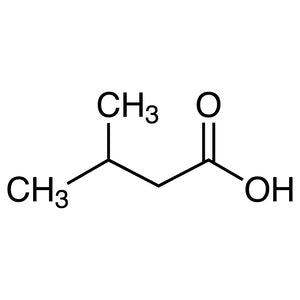
IsovalericAcid TCI M0182
Regular price Rp 505.050,00Regular priceRp 352.800,00Sale price Rp 505.050,00 -
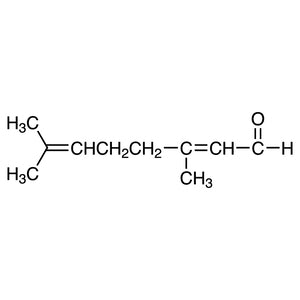
Citral(cis-andtrans-mixture) TCI D0762
Regular price Rp 637.350,00Regular priceRp 445.200,00Sale price Rp 637.350,00 -
trans-AconiticAcid TCI A0127
Regular price From Rp 2.121.000,00Regular priceRp 1.498.350,00Sale price From Rp 2.121.000,00 -
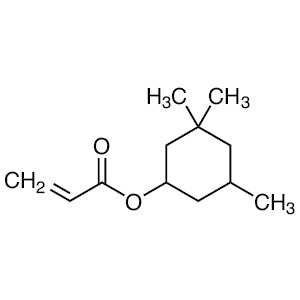
3,3,5-TrimethylcyclohexylAcrylate(cis-andtrans-mixture)(stabilizedwithMEHQ) TCI T3984
Regular price From Rp 1.510.950,00Regular priceRp 1.056.300,00Sale price From Rp 1.510.950,00