Methyl 3,3-Dimethylacrylate (CAS No. 924-50-5) is a chemical compound widely used in organic synthesis as a building block in laboratory settings. It belongs to the category of non-heterocyclic building blocks, which are essential for constructing more complex molecular structures. This compound plays a crucial role in various chemical reactions, including polymerization and substitution, enabling the development of new materials and compounds. Its presence in laboratory workflows supports both academic and industrial research by providing a reliable and versatile reagent.
The compound is known for its stable molecular structure and moderate reactivity, making it a preferred choice for chemists. It exhibits non-polar characteristics and is readily soluble in organic solvents, which simplifies purification and reaction processes. These properties enhance its utility in diverse chemical applications, allowing for efficient handling and integration into experimental protocols. Its compatibility with a range of solvents and reagents further contributes to its popularity in laboratory environments.
In Indonesian laboratories, Methyl 3,3-Dimethylacrylate is commonly used in chemical research, pharmaceutical development, and industrial applications. Its availability in practical packaging ensures ease of use and accessibility for researchers. The compound’s versatility and reliability make it a valuable resource for both academic and applied scientific investigations in the region.
TCI brochures (PDF)
- Terpenes 2025-09-22 · p. 3
Related TCI products
- Polymer synthesis: Methyl 3,3-Dimethylacrylate is ideal for creating polymers due to its ability to undergo polymerization reactions, making it suitable for developing new materials in polymer chemistry research.
- Organic synthesis: This compound serves as a key intermediate in the synthesis of various organic compounds, supporting the creation of complex molecules in chemical laboratories.
- Pharmaceutical development: Its reactivity and solubility properties make it a useful reagent in the synthesis of pharmaceutical compounds, aiding in drug discovery and formulation.
- Analytical chemistry: The compound’s stability and solubility properties allow it to be used in analytical procedures for testing and characterization of chemical substances.
- Industrial chemical processes: It is employed in industrial applications where controlled chemical reactions are required, contributing to the production of specialty chemicals and materials.
| Brand | TCI |
|---|---|
| CAS number | 924-50-5 |
| Molecular formula | — |
| Purity | — |
| Category | Chemistry > Building Blocks > Non-Heterocyclic Building Blocks |
| Pack sizes | Available in various sizes suitable for laboratory use |
| Physical form | Liquid |
| Storage | Store in a cool, dry place away from direct sunlight |
Methyl 3,3-Dimethylacrylate should be stored in a cool, dry environment, away from direct sunlight and sources of heat. It is recommended to use sealed containers made of materials compatible with organic solvents to prevent evaporation and contamination. Due to its reactivity, it should be handled in a well-ventilated area, and appropriate personal protective equipment such as gloves and safety goggles should be worn. Avoid contact with incompatible substances and ensure proper disposal according to local regulations. Regular monitoring of storage conditions is essential to maintain the compound’s stability and effectiveness in laboratory applications.
—
Produk Terkait
-
Biphenyl-4,4'-diylBis(2-methylacrylate) TCI B5961
Regular price From Rp 2.094.750,00Regular priceRp 1.464.750,00Sale price From Rp 2.094.750,00 -
TiglicAcid TCI T0246
Regular price From Rp 928.200,00Regular priceRp 664.650,00Sale price From Rp 928.200,00 -
3-MethylcrotonicAcid TCI M0543
Regular price From Rp 742.350,00Regular priceRp 534.450,00Sale price From Rp 742.350,00 -
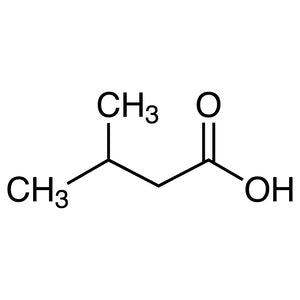
IsovalericAcid TCI M0182
Regular price Rp 505.050,00Regular priceRp 352.800,00Sale price Rp 505.050,00 -
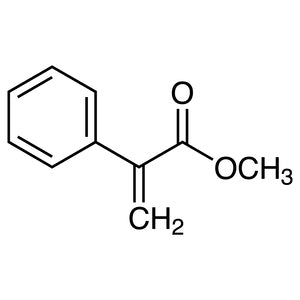
Methyl2-Phenylacrylate(stabilizedwithTBC) TCI M3574
Regular price Rp 5.380.200,00Regular priceRp 3.777.900,00Sale price Rp 5.380.200,00 -
Methyl(Z)-2-Acetamido-3-phenylacrylate TCI M3318
Regular price From Rp 2.969.400,00Regular priceRp 2.091.600,00Sale price From Rp 2.969.400,00 -
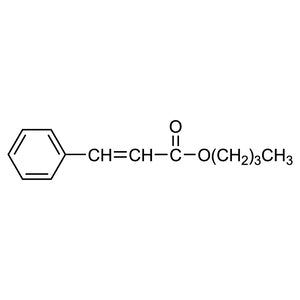
Butyl3-Phenylacrylate TCI B6837
Regular price From Rp 1.008.000,00Regular priceRp 720.300,00Sale price From Rp 1.008.000,00