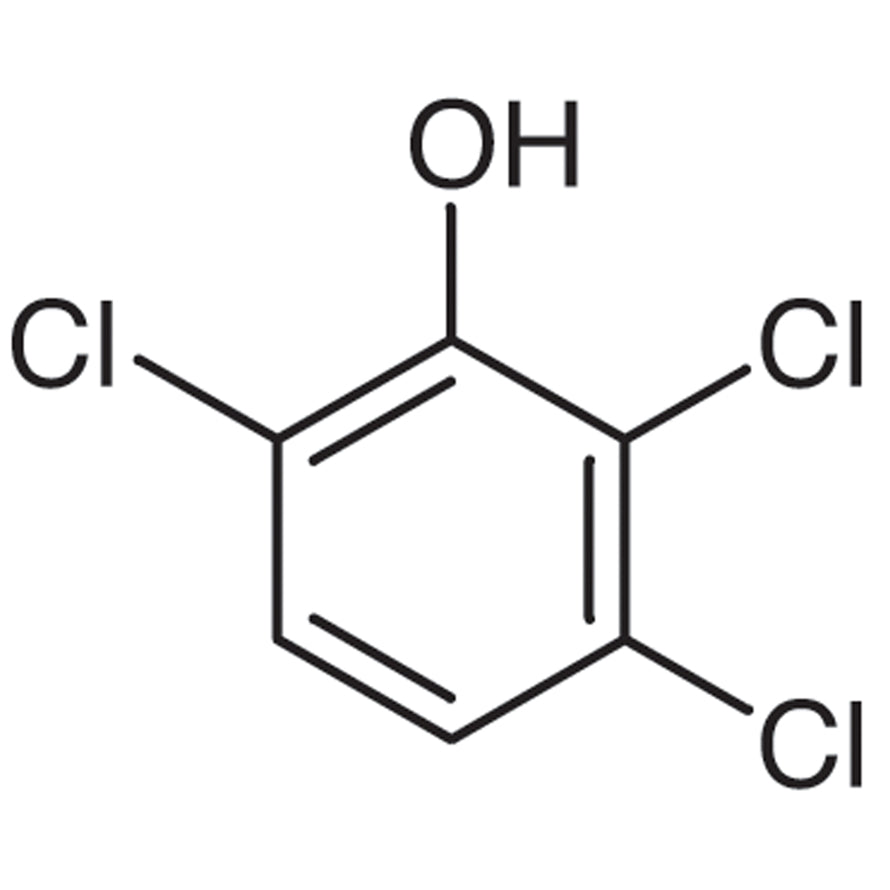
TCI T1114 is 2,3,6-Trichlorophenol, CAS number 933-75-5. It is a phenol whose benzene ring carries three chlorine atoms at positions 2, 3, and 6. In the TCI catalog it is listed under Chemistry > Building Blocks > Non-Heterocyclic Building Blocks. In the laboratory it serves as a starting material or intermediate in organic synthesis. It is also used as a reference compound when researchers compare different chlorophenol isomers while developing analytical methods.
The compound is chosen for the combination of a phenolic hydroxyl group and chlorine substitution on the ring. The electron-withdrawing chlorine atoms influence the acidity of the phenol and the reactivity pattern of the ring, compared with a phenol that has no halogens. The hydroxyl group can be alkylated or acylated, and the remaining open ring positions can be explored in substitution reactions. Many trichlorophenol isomers exist with different substitution patterns. Having the 2,3,6 isomer available as a specific material helps researchers confirm compound identity or separate isomer mixtures by chromatography.
In Indonesia, chlorophenols are a concern in environmental chemistry and residue analysis. Reference compounds like this one are therefore relevant to testing laboratories that develop or verify analytical methods. University and research laboratories can also use it as a building block in synthesis work. Routine use should follow each laboratory's own safety procedures and method requirements.
- Organic synthesis starting material: the phenolic hydroxyl group and the chlorinated ring give synthetic chemists a defined, specific substitution pattern to build on in multi-step routes.
- Synthetic intermediate: the hydroxyl group can be alkylated or acylated, which lets researchers prepare ether and ester derivatives from a well-defined trichlorinated phenol scaffold.
- Reference compound for isomer comparison: because many trichlorophenol isomers exist, the 2,3,6 isomer lets analysts compare retention behavior and confirm which isomer is present in a sample.
- Analytical method development: laboratories developing chromatographic methods for chlorophenols can use this compound to check separation of closely related isomers within a mixture.
- Reactivity studies: the remaining unsubstituted ring positions can be tested in substitution reactions, helping researchers study how chlorine atoms affect the reactivity of a phenolic ring.
| Brand | TCI |
|---|---|
| CAS number | 933-75-5 |
| Molecular formula | — |
| Purity | — |
| Category | Chemistry > Building Blocks > Non-Heterocyclic Building Blocks |
| Pack sizes | please refer to the product page or contact AMI Scientific for the available sizes |
| Physical form | — |
| Storage | store according to the label and safety data sheet supplied with the product |
- Product code: T1114
Store 2,3,6-Trichlorophenol in its original, tightly closed container, in a cool, dry, well-ventilated place away from direct sunlight and heat. Keep it separate from incompatible materials, and always follow the storage conditions on the supplier label and safety data sheet. Chlorinated phenols are generally treated as hazardous, so handle this material in a fume hood or well-ventilated area. Wear suitable gloves, safety glasses, and a laboratory coat, and avoid contact with skin and eyes and inhalation of dust or vapor. Label any secondary containers clearly. Dispose of waste in line with your laboratory's chemical waste procedures and local regulations.
—
Produk Terkait
-
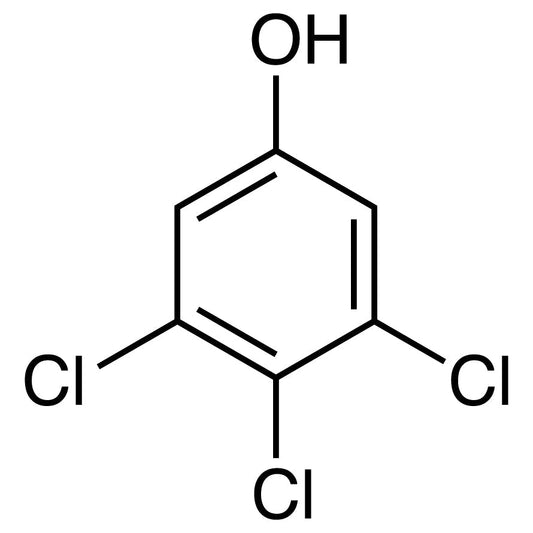
3,4,5-Trichlorophenol TCI T1115
Regular price Rp 3.949.050,00Regular price -
2,4,6-TrichlorophenolSodiumSalt TCI T0392
Regular price Rp 1.829.100,00Regular price -
2,4,5-TrichlorophenolSodiumSalt TCI T0391
Regular price Rp 1.035.300,00Regular price -
2,4,6-Trichlorophenol TCI T0390
Regular price From Rp 689.850,00Regular price -
2,4,5-Trichlorophenol TCI T0389
Regular price From Rp 1.167.600,00Regular price