Related TCI catalogs (PDF)

-
2-tert-Butyl-1,4-benzoquinone TCI B1984
Vendor:TCIRegular price Rp 1.167.600,00Regular priceRp 831.600,00Sale price Rp 1.167.600,00 -
6-tert-Butyl-2,4-xylenol TCI B0903
Vendor:TCIRegular price From Rp 610.050,00Regular priceRp 442.050,00Sale price From Rp 610.050,00 -
1,4-Benzoquinone TCI B0887
Vendor:TCIRegular price From Rp 557.550,00Regular priceRp 405.300,00Sale price From Rp 557.550,00 -
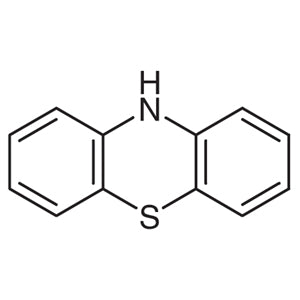
Phenothiazine TCI P0106
Vendor:TCIRegular price From Rp 530.250,00Regular priceRp 386.400,00Sale price From Rp 530.250,00 -
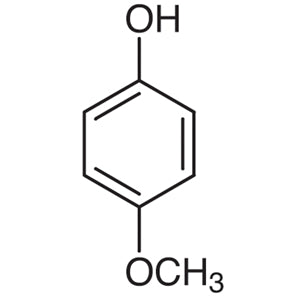
4-Methoxyphenol TCI M0123
Vendor:TCIRegular price From Rp 530.250,00Regular priceRp 386.400,00Sale price From Rp 530.250,00 -
2-[1-(2-Hydroxy-3,5-di-tert-pentylphenyl)ethyl]-4,6-di-tert-pentylphenylAcrylate TCI H1781
Vendor:TCIRegular price Rp 1.140.300,00Regular priceRp 796.950,00Sale price Rp 1.140.300,00 -
Hydroquinone TCI H0186
Vendor:TCIRegular price From Rp 477.750,00Regular priceRp 333.900,00Sale price From Rp 477.750,00 -
2,6-Di-tert-butylphenol TCI D0941
Vendor:TCIRegular price From Rp 582.750,00Regular priceRp 423.150,00Sale price From Rp 582.750,00 -
2,6-Di-tert-butyl-p-cresol TCI D0228
Vendor:TCIRegular price From Rp 530.250,00Regular priceRp 386.400,00Sale price From Rp 530.250,00 -
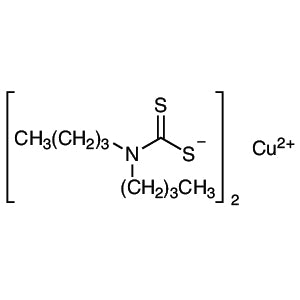
Copper(II)Dibutyldithiocarbamate TCI B6182
Vendor:TCIRegular price Rp 848.400,00Regular priceRp 593.250,00Sale price Rp 848.400,00