2-Tert-Butyl-1,4-benzoquinone is a chemical compound widely used in laboratory settings for its reactivity and versatility in organic synthesis. As a building block in chemical reactions, it plays a crucial role in the development of complex molecular structures. Its high oxidative activity makes it an essential reagent in oxidation and reduction processes, supporting the creation of intermediates for pharmaceutical and industrial chemical applications. This compound is particularly valuable for its stable aromatic structure, which allows it to participate effectively in redox reactions under controlled laboratory conditions.
The compound’s key properties include its controlled chemical behavior and strong oxidizing capabilities, which make it a preferred choice for researchers. Its ability to undergo redox reactions with predictable outcomes ensures reliability in synthetic pathways. Additionally, its stability under various laboratory conditions enhances its usability across different experimental setups. These characteristics make it a reliable and efficient reagent for both academic and industrial research.
In Indonesian laboratories, 2-tert-Butyl-1,4-benzoquinone is commonly used in organic chemistry research, especially in the synthesis of complex compounds. It is frequently found in studies related to pharmacology, chemical materials, and environmental chemistry. Its availability and cost-effectiveness make it a popular choice for researchers aiming to produce intermediates for pharmaceutical or industrial applications.
Related TCI products
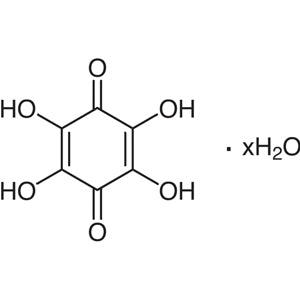
- TCI T1090 123334-16-7 Tetrahydroxy-1,4-benzoquinone Hydrate
- TCI T0672 527-17-3 Tetramethyl-1,4-benzoquinone
- TCI T0122 1887-02-1 Tetrahydroxy-1,4-benzoquinone Disodium Salt
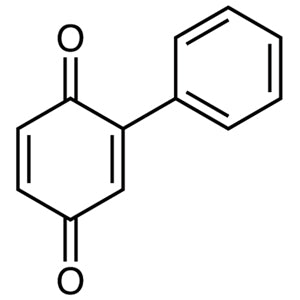
- TCI P2674 363-03-1 2-Phenyl-1,4-benzoquinone
- TCI D2706 530-55-2 2,6-Dimethoxy-1,4-benzoquinone
- TCI D2430 3383-21-9 3,5-Di-tert-butyl-1,2-benzoquinone
- Organic synthesis: This compound is widely used in the synthesis of complex organic molecules due to its reactivity and ability to participate in redox reactions.
- Pharmaceutical research: It serves as an intermediate in the development of pharmaceutical compounds, supporting the creation of active pharmaceutical ingredients.
- Environmental chemistry: Its oxidative properties make it useful in studying chemical reactions relevant to environmental processes and degradation mechanisms.
- Material science: It is employed in the development of new chemical materials due to its stability and reactivity in controlled environments.
- Redox reaction studies: Its high oxidative activity makes it ideal for experiments involving oxidation and reduction processes in chemical research.
| Brand | TCI |
|---|---|
| CAS number | 3602-55-9 |
| Molecular formula | — |
| Purity | — |
| Category | Chemistry > Building Blocks > Non-Heterocyclic Building Blocks |
| Pack sizes | Available in various quantities to suit different laboratory needs |
| Physical form | Solid |
| Storage | Store in a cool, dry place away from light and incompatible substances |
This compound should be stored in a cool, dry environment, away from direct sunlight and sources of heat. It is recommended to keep it in a sealed container to prevent exposure to air and moisture. Due to its oxidative nature, it should be stored separately from reducing agents to avoid unwanted reactions. Proper ventilation is essential when handling the compound to minimize inhalation risks. Laboratory personnel should wear appropriate personal protective equipment, including gloves and safety goggles, when working with this material. Regular monitoring of storage conditions ensures the compound remains stable and safe for use in research applications.
—
Produk Terkait
-
Tetrahydroxy-1,4-benzoquinoneHydrate TCI T1090
Regular price Rp 1.618.050,00Regular priceRp 1.146.600,00Sale price Rp 1.618.050,00 -
Tetramethyl-1,4-benzoquinone TCI T0672
Regular price From Rp 1.538.250,00Regular priceRp 1.090.950,00Sale price From Rp 1.538.250,00 -
Tetrahydroxy-1,4-benzoquinoneDisodiumSalt TCI T0122
Regular price From Rp 1.167.600,00Regular priceRp 831.600,00Sale price From Rp 1.167.600,00 -
2-Phenyl-1,4-benzoquinone TCI P2674
Regular price From Rp 689.850,00Regular priceRp 497.700,00Sale price From Rp 689.850,00 -
2,6-Dimethoxy-1,4-benzoquinone TCI D2706
Regular price Rp 2.332.050,00Regular priceRp 1.646.400,00Sale price Rp 2.332.050,00 -
3,5-Di-tert-butyl-1,2-benzoquinone TCI D2430
Regular price From Rp 3.551.100,00Regular priceRp 2.499.000,00Sale price From Rp 3.551.100,00 -
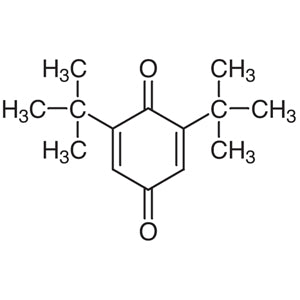
2,6-Di-tert-butyl-1,4-benzoquinone TCI D2256
Regular price From Rp 2.359.350,00Regular priceRp 1.665.300,00Sale price From Rp 2.359.350,00 -
2,6-Dimethyl-1,4-benzoquinone TCI D2234
Regular price From Rp 1.220.100,00Regular priceRp 868.350,00Sale price From Rp 1.220.100,00