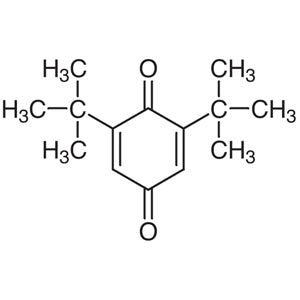
2,6-Di-tert-butyl-1,4-benzoquinone is a chemical compound widely used in laboratory settings for various organic synthesis reactions. As a building block in chemistry, it plays a crucial role in the development of complex molecules, including dyes, pharmaceuticals, and industrial chemicals. Its aromatic structure, combined with two tert-butyl groups at positions 2 and 6, provides stability and controlled reactivity, making it a valuable tool for synthetic chemists. This compound is particularly useful in oxidation and reduction reactions due to its ability to participate in redox processes.
The compound’s non-heterocyclic nature and structural features make it a preferred choice for organic chemists. The tert-butyl groups reduce excessive reactivity, allowing for better control during synthesis. Its chemical stability ensures consistent performance in laboratory experiments, while its reactivity enables participation in a wide range of chemical transformations. These properties make it a reliable and versatile reagent in both academic and industrial research environments.
In Indonesian laboratories, 2,6-Di-tert-butyl-1,4-benzoquinone is commonly used by researchers and students in organic chemistry. It supports the development of new compounds and the modification of existing ones, contributing to advancements in chemical research. Its availability in the local market ensures easy access for those conducting experiments requiring high-quality reagents. This compound is essential for maintaining the efficiency and accuracy of chemical synthesis processes in Indonesian laboratories.
TCI brochures (PDF)
- Condensing Agents 2025-11-18 · p. 9
Related TCI products
- Organic synthesis is a key application where this compound serves as a versatile building block for creating complex molecules.
- Pharmaceutical research benefits from its role in the synthesis of active pharmaceutical ingredients and drug intermediates.
- Dye and pigment development utilizes its structural properties to produce stable and color-fast compounds.
- Industrial chemical production relies on its reactivity and stability for the creation of specialty chemicals.
- Teaching and research in academic institutions use it for demonstrating redox reactions and synthetic techniques.
| Brand | TCI |
|---|---|
| CAS number | 719-22-2 |
| Molecular formula | — |
| Purity | — |
| Category | Chemistry > Building Blocks > Non-Heterocyclic Building Blocks |
| Pack sizes | 250g, 500g |
| Physical form | Solid |
| Storage | Store in a cool, dry place away from light and incompatible materials |
This compound should be stored in a cool, dry environment, away from direct sunlight and sources of heat. It is recommended to use airtight containers made of glass or polyethylene to prevent moisture absorption and contamination. Due to its chemical nature, it should be kept separate from strong oxidizing or reducing agents to avoid unwanted reactions. In a laboratory setting, proper ventilation is essential when handling this material to ensure safe working conditions. Always use appropriate personal protective equipment, such as gloves and safety goggles, to minimize exposure. Regular inspection of storage containers is advised to maintain the integrity and safety of the compound.
—
Produk Terkait
-
2,6-Dimethyl-1,4-benzoquinone TCI D2234
Regular price From Rp 1.167.600,00Regular price -
2-tert-Butyl-1,4-benzoquinone TCI B1984
Regular price Rp 1.115.100,00Regular price -
1,4-Benzoquinone TCI B0887
Regular price From Rp 505.050,00Regular price -
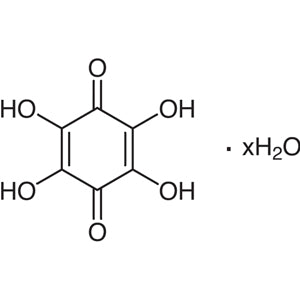
Tetrahydroxy-1,4-benzoquinoneHydrate TCI T1090
Regular price Rp 1.565.550,00Regular price -
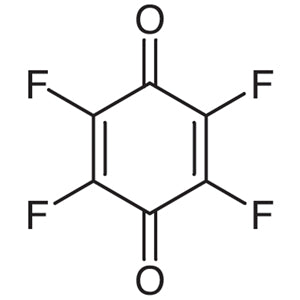
Tetrafluoro-1,4-benzoquinone TCI T0790
Regular price From Rp 1.405.950,00Regular price -
Tetramethyl-1,4-benzoquinone TCI T0672
Regular price From Rp 1.485.750,00Regular price -
Tetrahydroxy-1,4-benzoquinoneDisodiumSalt TCI T0122
Regular price From Rp 1.115.100,00Regular price -
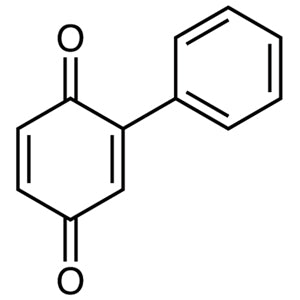
2-Phenyl-1,4-benzoquinone TCI P2674
Regular price From Rp 637.350,00Regular price