2-Aminothiazole (TCI A0633), with the CAS number 96-50-4, is a versatile chemical compound widely used in laboratory settings as a building block for the synthesis of heterocyclic compounds. It is a key intermediate in the development of pharmaceuticals, organic chemicals, and industrial products due to its unique structural features. The molecule contains a thiazole ring with an amino group at the 2-position, which enhances its reactivity and functional group compatibility. This makes it an essential reagent for chemists working on complex molecular transformations.
The compound’s high reactivity and ability to participate in various chemical reactions such as substitution, cyclization, and conjugation make it a preferred choice in synthetic chemistry. Its structural complexity allows for the creation of a wide range of derivatives, which are valuable in drug discovery and material science. Additionally, its stability under controlled conditions ensures reliable performance in laboratory experiments, provided it is stored properly.
In Indonesian laboratories, 2-Aminothiazole is commonly used in organic chemistry research, especially in the development of pharmacological compounds and industrial raw materials. Its presence in both academic and industrial research projects highlights its importance in the synthesis of heterocyclic compounds with specific reactivity and functionality. The compound’s utility across different research domains underscores its significance in the chemical sciences.
Related TCI products
- TCI M2598 6633-61-0 Methyl 2-Aminothiazole-5-carboxylate
- TCI M2581 118452-04-3 Methyl 2-Aminothiazole-4-carboxylate
- TCI E1215 5398-36-7 Ethyl 2-Aminothiazole-4-carboxylate
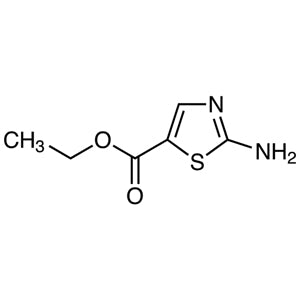
- TCI E0907 32955-21-8 Ethyl 2-Aminothiazole-5-carboxylate
- TCI A0936 3882-98-2 2-Aminothiazoline Hydrochloride
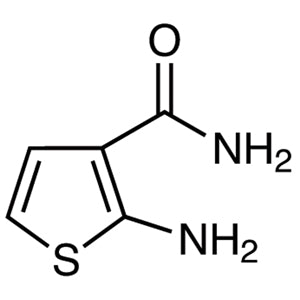
- TCI A3165 14080-51-4 2-Aminothiophene-3-carboxamide
- Pharmaceutical research and development as a key intermediate in the synthesis of bioactive compounds due to its reactivity and structural versatility.
- Organic synthesis applications where heterocyclic compounds with specific functional groups are required for the creation of complex molecules.
- Industrial chemical production processes that rely on heterocyclic building blocks for the development of specialty chemicals and materials.
- Academic research in medicinal chemistry for the exploration of new drug candidates and therapeutic agents.
- Chemical engineering projects focused on the design and optimization of synthetic pathways for high-value chemical products.
| Brand | TCI |
|---|---|
| CAS number | 96-50-4 |
| Molecular formula | — |
| Purity | — |
| Category | Chemistry > Building Blocks > Heterocyclic Building Blocks |
| Pack sizes | Available in various quantities as per standard laboratory supply specifications |
| Physical form | Solid powder |
| Storage | Requires storage in a cool, dry, and well-ventilated area away from heat and oxidizing agents |
2-Aminothiazole should be stored in a cool, dry, and well-ventilated area to maintain its stability and prevent degradation. It is recommended to use airtight containers made of materials such as glass or polyethylene to minimize exposure to moisture and air. Due to its sensitivity to heat and oxidation, it should be kept away from direct sunlight and sources of heat. Laboratory personnel should handle the compound with care, using appropriate personal protective equipment such as gloves and safety goggles. Proper labeling of storage containers is essential to ensure safe handling and prevent accidental exposure. Regular monitoring of storage conditions is advised to maintain the integrity of the compound throughout its shelf life.
—
Produk Terkait
-
Methyl2-Aminothiazole-5-carboxylate TCI M2598
Regular price From Rp 1.140.300,00Regular priceRp 812.700,00Sale price From Rp 1.140.300,00 -
Methyl2-Aminothiazole-4-carboxylate TCI M2581
Regular price From Rp 1.113.000,00Regular priceRp 793.800,00Sale price From Rp 1.113.000,00 -
Ethyl2-Aminothiazole-4-carboxylate TCI E1215
Regular price From Rp 1.167.600,00Regular priceRp 831.600,00Sale price From Rp 1.167.600,00 -
Ethyl2-Aminothiazole-5-carboxylate TCI E0907
Regular price From Rp 1.378.650,00Regular priceRp 979.650,00Sale price From Rp 1.378.650,00 -
2-AminothiazolineHydrochloride TCI A0936
Regular price From Rp 1.483.650,00Regular priceRp 1.053.150,00Sale price From Rp 1.483.650,00 -
2-Aminothiophene-3-carboxamide TCI A3165
Regular price From Rp 742.350,00Regular priceRp 534.450,00Sale price From Rp 742.350,00 -
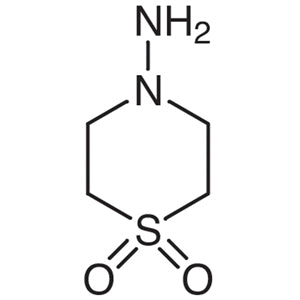
4-Aminothiomorpholine1,1-Dioxide TCI A1798
Regular price From Rp 2.199.750,00Regular priceRp 1.554.000,00Sale price From Rp 2.199.750,00 -
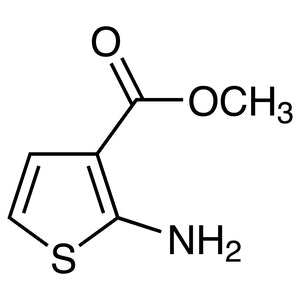
Methyl2-Aminothiophene-3-carboxylate TCI M1697
Regular price From Rp 1.723.050,00Regular priceRp 1.220.100,00Sale price From Rp 1.723.050,00