4-Amyloxyphenol is a chemical compound widely used in laboratory settings as a building block for constructing complex molecules. It plays a crucial role in organic chemistry by serving as a versatile intermediate in various synthetic reactions. This compound is particularly valuable for its ability to participate in a range of chemical transformations, making it an essential tool for researchers aiming to develop new compounds with specific properties. Its presence in the chemical supply chain ensures that it is readily available for use in both academic and industrial research environments.
The stability of its molecular structure and its reactivity with a variety of reagents make 4-Amyloxyphenol a preferred choice for laboratory applications. Its ability to form stable intermediates and undergo predictable chemical reactions enhances its utility in synthetic pathways. Additionally, its compatibility with different functional groups allows for the synthesis of a wide array of derivatives, expanding its applicability in both research and development. These characteristics position it as a key component in the toolkit of chemists working on advanced chemical synthesis.
In Indonesian laboratories, 4-Amyloxyphenol is commonly used in chemical research, especially in the fields of pharmacy, materials science, and environmental studies. It is frequently employed in the synthesis of complex aromatic compounds and in the testing of biological activities. Its role in the development of new organic-based materials and pharmaceuticals underscores its importance in the scientific community. The compound’s versatility and reliability make it a valuable resource for researchers in Indonesia.
- Synthesis of complex aromatic compounds for pharmaceutical development due to its reactivity and structural versatility.
- Development of new organic-based materials through functional group modifications and chemical transformations.
- Testing of biological activities in drug discovery processes by serving as a precursor for bioactive molecule synthesis.
- Environmental research applications for the analysis and synthesis of pollutants and degradation products.
- Organic chemistry education and training for students and researchers to understand chemical reactivity and synthesis techniques.
| Brand | TCI |
|---|---|
| CAS number | 18979-53-8 |
| Molecular formula | — |
| Purity | — |
| Category | Chemistry > Building Blocks > Non-Heterocyclic Building Blocks |
| Pack sizes | Available in various quantities as per supplier specifications |
| Physical form | Solid (as per standard chemical product description) |
| Storage | Store in a cool, dry place away from direct sunlight and moisture |
4-Amyloxyphenol should be stored in a cool, dry environment to maintain its chemical stability and prevent degradation. It is recommended to keep the compound in airtight containers to minimize exposure to moisture and air, which can affect its reactivity. Suitable storage conditions include a controlled temperature range of 15–25°C, away from sources of heat or direct sunlight. Laboratory personnel should handle the compound with appropriate personal protective equipment, such as gloves and safety goggles, to ensure safe handling. Proper labeling and storage practices are essential to maintain the integrity of the compound and ensure safe usage in research settings.
—
Produk Terkait
-
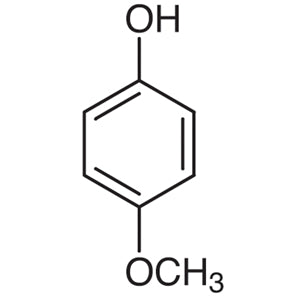
4-Methoxyphenol TCI M0123
Regular price From Rp 530.250,00Regular priceRp 386.400,00Sale price From Rp 530.250,00 -
4-Ethoxyphenol TCI E0216
Regular price From Rp 1.033.200,00Regular priceRp 738.150,00Sale price From Rp 1.033.200,00 -
4-n-Octyloxyphenol TCI O0140
Regular price From Rp 1.458.450,00Regular priceRp 1.035.300,00Sale price From Rp 1.458.450,00 -
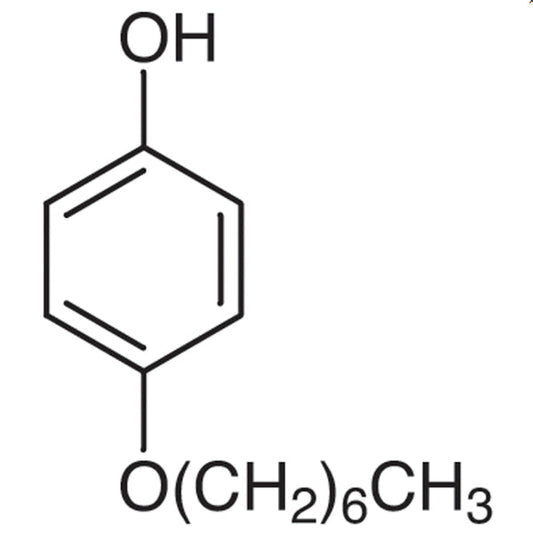
4-Heptyloxyphenol TCI H0441
Regular price Rp 5.592.300,00Regular priceRp 3.925.950,00Sale price Rp 5.592.300,00 -
4-Hexyloxyphenol TCI H0439
Regular price From Rp 1.167.600,00Regular priceRp 831.600,00Sale price From Rp 1.167.600,00 -
4-Butoxyphenol TCI B0923
Regular price Rp 1.246.350,00Regular priceRp 887.250,00Sale price Rp 1.246.350,00 -
2-Bromo-4,5-dimethoxyphenol TCI B5297
Regular price Rp 2.518.950,00Regular priceRp 1.776.600,00Sale price Rp 2.518.950,00 -
2-Bromo-6-methoxyphenol TCI B5026
Regular price From Rp 1.298.850,00Regular priceRp 924.000,00Sale price From Rp 1.298.850,00