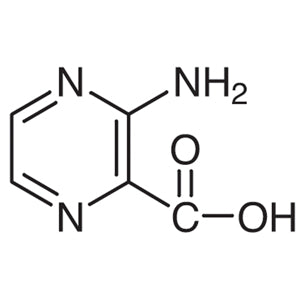
3-Aminopyrazine-2-carboxylic Acid is a versatile organic compound widely used in laboratory settings for its role in the synthesis of complex heterocyclic structures. As a key building block in organic chemistry, it serves as a foundational material for creating a wide range of compounds with diverse chemical properties. Its unique molecular structure, featuring two nitrogen atoms in a pyrazine ring, makes it highly reactive and suitable for various synthetic transformations. This reactivity allows chemists to modify its structure through functional group substitutions, making it an essential component in the development of new chemical entities.
The compound’s high purity and chemical stability ensure reliable performance across a variety of experimental conditions. Its ability to participate in multiple reaction pathways, such as nucleophilic substitution and electrophilic aromatic substitution, enhances its utility in synthetic chemistry. Additionally, its compatibility with a range of solvents and reagents makes it a preferred choice for researchers aiming to achieve precise and reproducible results. These properties contribute to its widespread use in both academic and industrial research environments.
In Indonesian laboratories, 3-Aminopyrazine-2-carboxylic Acid is commonly employed in pharmaceutical and materials science research. It plays a crucial role in the development of bioactive compounds and advanced materials, supporting innovation in fields such as pharmacology and chemical engineering. Its availability and reliability make it a go-to material for researchers seeking to explore new chemical pathways and applications.
Related TCI products
- Organic synthesis applications benefit from this compound's reactivity and structural versatility, enabling the creation of complex heterocyclic molecules.
- Pharmaceutical research utilizes it to develop bioactive compounds with potential therapeutic applications in drug discovery programs.
- Materials science studies employ it to synthesize advanced polymers and functional materials with tailored chemical properties.
- Analytical chemistry laboratories use it as a reference standard for qualitative and quantitative analysis of heterocyclic compounds.
- Academic research institutions integrate it into curriculum-based experiments to teach synthetic organic chemistry techniques.
| Brand | TCI |
|---|---|
| CAS number | 5424-01-1 |
| Molecular formula | — |
| Purity | — |
| Category | Chemistry > Building Blocks > Heterocyclic Building Blocks |
| Pack sizes | Available in various quantities to meet different research needs |
| Physical form | Solid powder |
| Storage | Store in a cool, dry place away from light and moisture |
This compound should be stored in a cool, dry environment, away from direct sunlight and moisture to maintain its chemical integrity. It is recommended to use airtight containers made of glass or high-density polyethylene to prevent contamination and degradation. Due to its reactivity, it should be handled with appropriate personal protective equipment, including gloves and safety goggles, to ensure laboratory safety. Avoid exposure to strong oxidizing agents and keep it separate from incompatible substances. Proper labeling and storage conditions are essential to ensure the compound remains stable and usable for extended periods in research applications.
—
Produk Terkait
-
Methyl3-Aminopyrazine-2-carboxylate TCI A1186
Regular price Rp 530.250,00Regular priceRp 386.400,00Sale price Rp 530.250,00 -
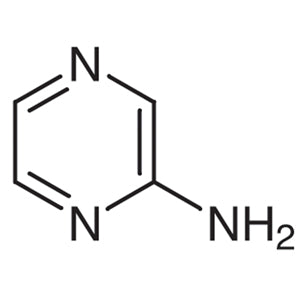
2-Aminopyrazine TCI A0989
Regular price Rp 875.700,00Regular priceRp 627.900,00Sale price Rp 875.700,00 -
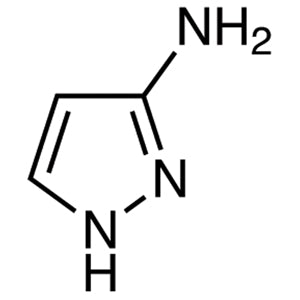
3-Aminopyrazole TCI A1859
Regular price Rp 1.378.650,00Regular priceRp 979.650,00Sale price Rp 1.378.650,00 -
3-Aminopyrazole-4-carboxamideHemisulfate TCI A1532
Regular price Rp 637.350,00Regular priceRp 460.950,00Sale price Rp 637.350,00 -
4-Aminopyrazolo[3,4-d]pyrimidine TCI A1041
Regular price Rp 557.550,00Regular priceRp 405.300,00Sale price Rp 557.550,00 -
Ethyl3-Aminopyrazole-4-carboxylate TCI E0766
Regular price Rp 1.483.650,00Regular priceRp 1.053.150,00Sale price Rp 1.483.650,00 -
Xanthene-9-carboxylicAcid TCI X0031
Regular price Rp 1.060.500,00Regular priceRp 757.050,00Sale price Rp 1.060.500,00 -
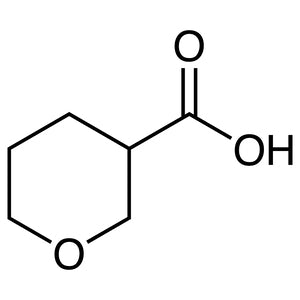
Tetrahydro-2H-pyran-3-carboxylicAcid TCI T4166
Regular price Rp 1.458.450,00Regular priceRp 1.035.300,00Sale price Rp 1.458.450,00

![2380-63-4 4-Aminopyrazolo[3,4-d]pyrimidine - AMI Scientific](http://amiscientific.com/cdn/shop/files/TCI2510A1041.jpg?v=1767080566&width=533)