4-Acetoxybiphenyl is a chemical compound widely used in organic synthesis reactions within laboratory settings. It serves as a versatile building block, offering a stable yet reactive structure that enables the creation of more complex molecules. This compound is particularly valuable for researchers aiming to explore new synthetic pathways or develop novel chemical compounds. Its presence in laboratory workflows supports a broad range of applications, from pharmaceutical research to industrial chemical production.
The compound’s chemical stability and controlled reactivity make it a preferred choice for many synthetic processes. Its acetoxy group enhances its ability to participate in substitution and oxidation reactions, making it ideal for advanced chemical transformations. Additionally, its solubility in organic solvents simplifies processing and purification steps, enhancing the efficiency of laboratory procedures. These properties contribute to its popularity among chemists working in both academic and industrial environments.
In Indonesian laboratories, 4-Acetoxybiphenyl is commonly used in pure and applied chemical research. It plays a crucial role in the development of new compounds, including pharmaceuticals and specialty chemicals. Its predictable behavior and compatibility with various reaction conditions make it a reliable reagent for experimental work. Its use is well-established in both teaching and research laboratories, supporting the advancement of chemical knowledge and innovation.
Related TCI products
- Organic synthesis reactions benefit from 4-Acetoxybiphenyl’s stable structure and reactivity, enabling the creation of complex molecules.
- Pharmaceutical research utilizes this compound as a building block for drug development, supporting the synthesis of active pharmaceutical ingredients.
- Industrial chemical production relies on its solubility and reactivity for the manufacture of specialty chemicals and intermediates.
- Teaching laboratories use it to demonstrate fundamental chemical reactions and synthetic techniques to students.
- Analytical chemistry applications take advantage of its distinct spectral properties for identification and quantification in various samples.
| Brand | TCI |
|---|---|
| CAS number | 148-86-7 |
| Molecular formula | — |
| Purity | — |
| Category | Chemistry > Building Blocks > Non-Heterocyclic Building Blocks |
| Pack sizes | Available in various quantities as per standard laboratory supply options |
| Physical form | Solid |
| Storage | Store in a cool, dry place away from direct sunlight and moisture |
4-Acetoxybiphenyl should be stored in a cool, dry environment to maintain its chemical stability. It is recommended to keep it in a sealed container to prevent exposure to moisture and air. Suitable storage containers include glass or high-density polyethylene vessels that are resistant to chemical reactions. Laboratory personnel should handle the compound with care, using appropriate personal protective equipment such as gloves and safety goggles. It is important to ensure that the compound is stored away from incompatible materials to avoid any potential chemical interactions. Proper storage and handling practices help preserve the integrity of the compound and ensure safe laboratory operations.
—
Produk Terkait
-
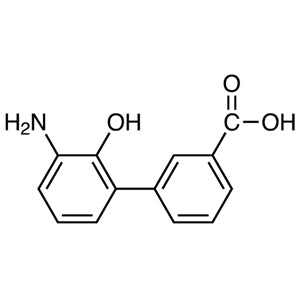
3'-Amino-2'-hydroxybiphenyl-3-carboxylicAcid TCI A2944
Regular price Rp 2.041.200,00Regular priceRp 1.442.700,00Sale price Rp 2.041.200,00 -
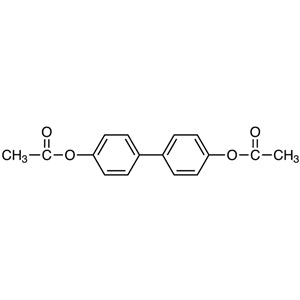
4,4'-Diacetoxybiphenyl TCI D2266
Regular price Rp 3.127.950,00Regular priceRp 2.187.150,00Sale price Rp 3.127.950,00 -
4'-Decyloxybiphenyl-4-carboxylicAcid TCI D2041
Regular price Rp 3.498.600,00Regular priceRp 2.462.250,00Sale price Rp 3.498.600,00 -
1,4-Diacetoxybutane TCI B1232
Regular price From Rp 1.035.300,00Regular priceRp 723.450,00Sale price From Rp 1.035.300,00 -
3-Acetoxybenzaldehyde TCI A2467
Regular price Rp 4.213.650,00Regular priceRp 2.946.300,00Sale price Rp 4.213.650,00 -
4-Acetoxybenzaldehyde TCI A1467
Regular price From Rp 530.250,00Regular priceRp 370.650,00Sale price From Rp 530.250,00 -
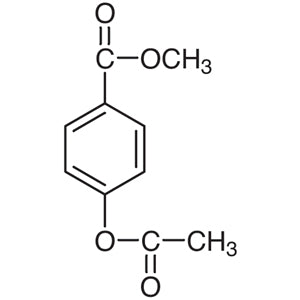
Methyl4-Acetoxybenzoate TCI A1227
Regular price Rp 1.220.100,00Regular priceRp 868.350,00Sale price Rp 1.220.100,00 -
4-AcetoxybenzoicAcid TCI A0885
Regular price From Rp 875.700,00Regular priceRp 627.900,00Sale price From Rp 875.700,00